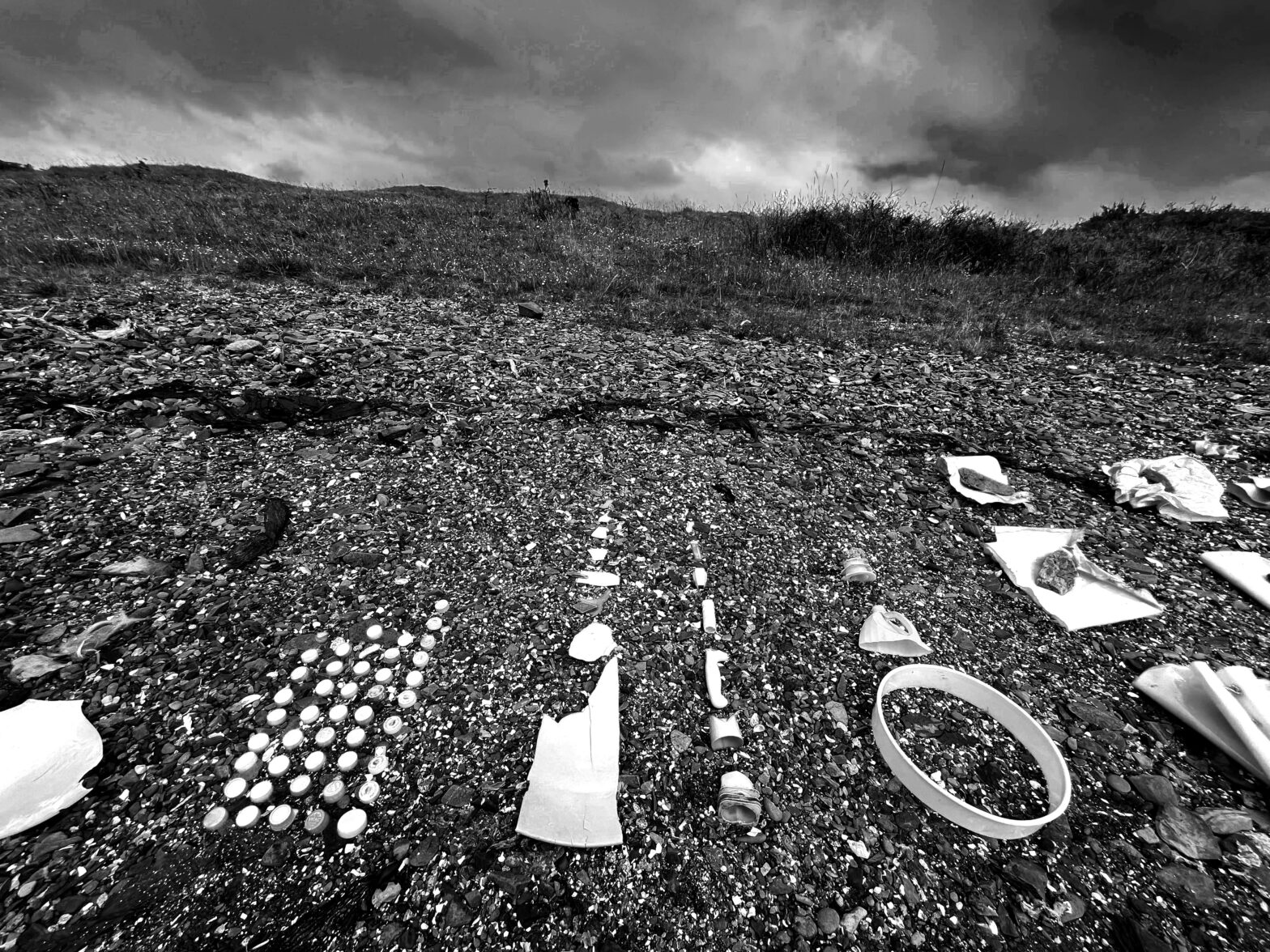
Plastic is not a neutral material. As a cultural artifact, it is among the most legible products of the modern era, not because it was designed to persist, but because it was designed not to. The gap between intended ephemerality and actual durability is not incidental. It is structural, and it is the condition this project works within.
It begins with collection. Plastic debris is gathered from a coastal site, sorted by color, and positioned in relation to the surrounding landscape: its textures, light conditions, existing color fields. The arrangement produces an uncanny effect that is difficult to account for through the logic of waste alone. The material begins to read differently: not as refuse but as deposit. As evidence of presence.
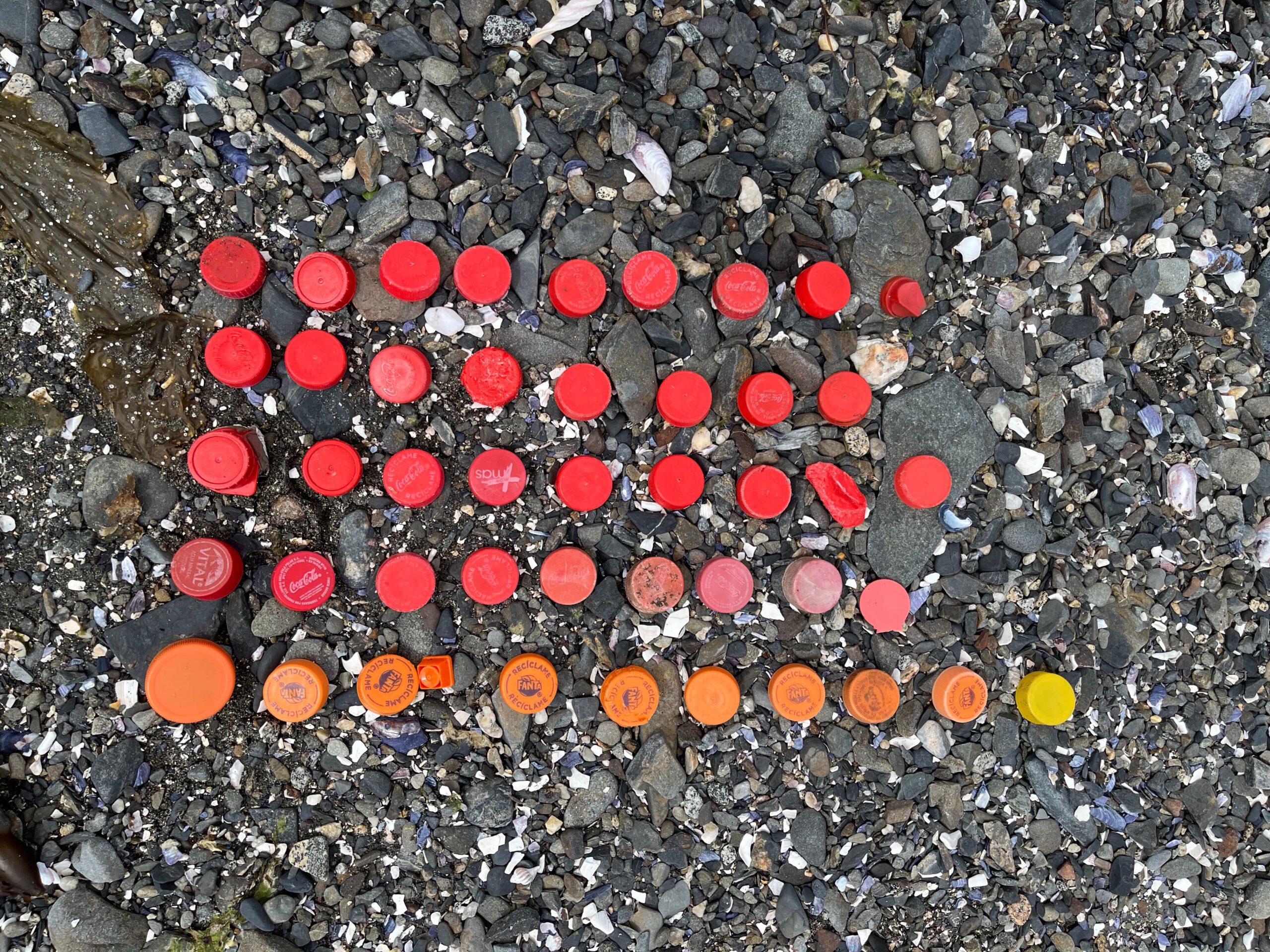
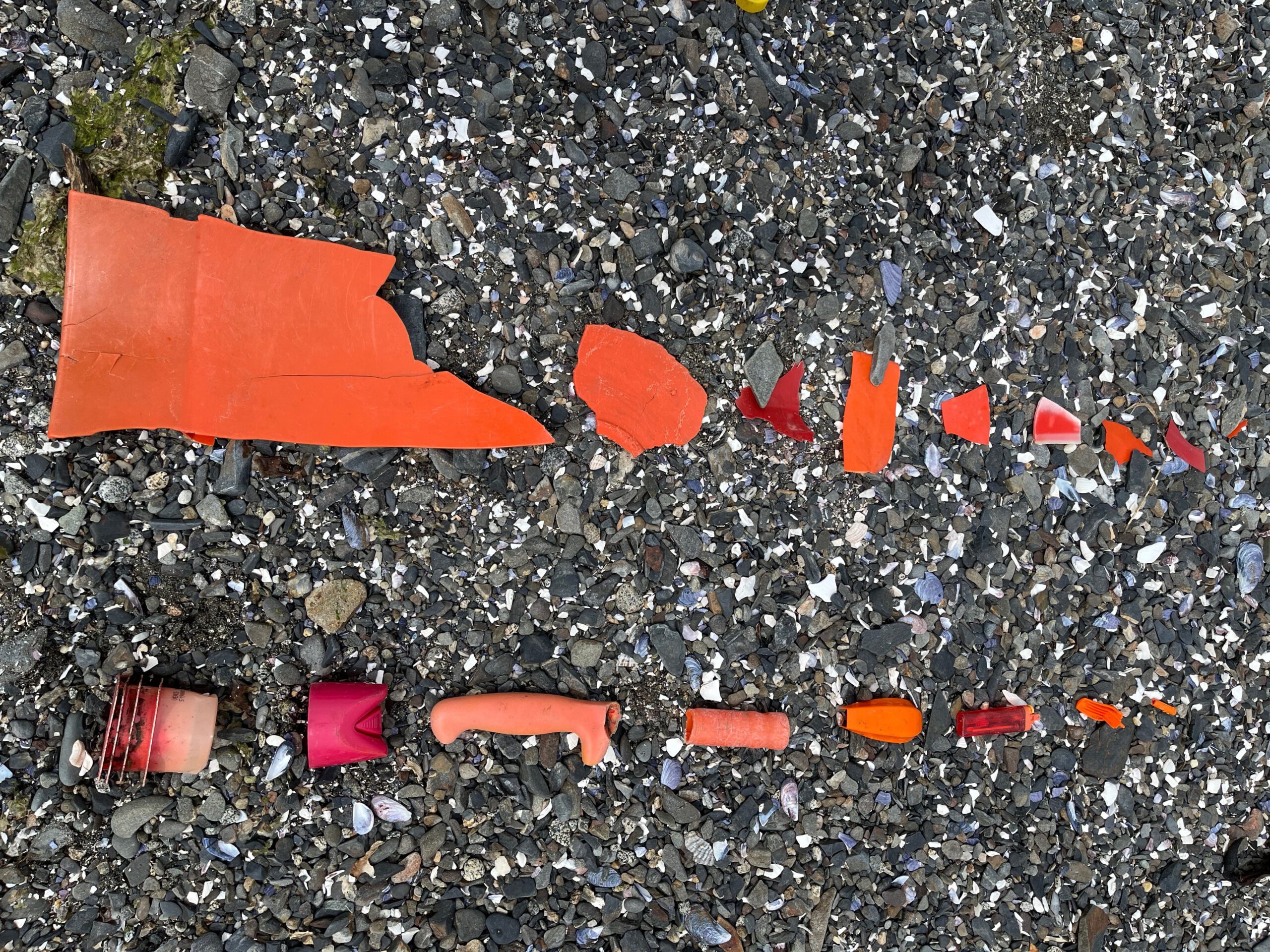
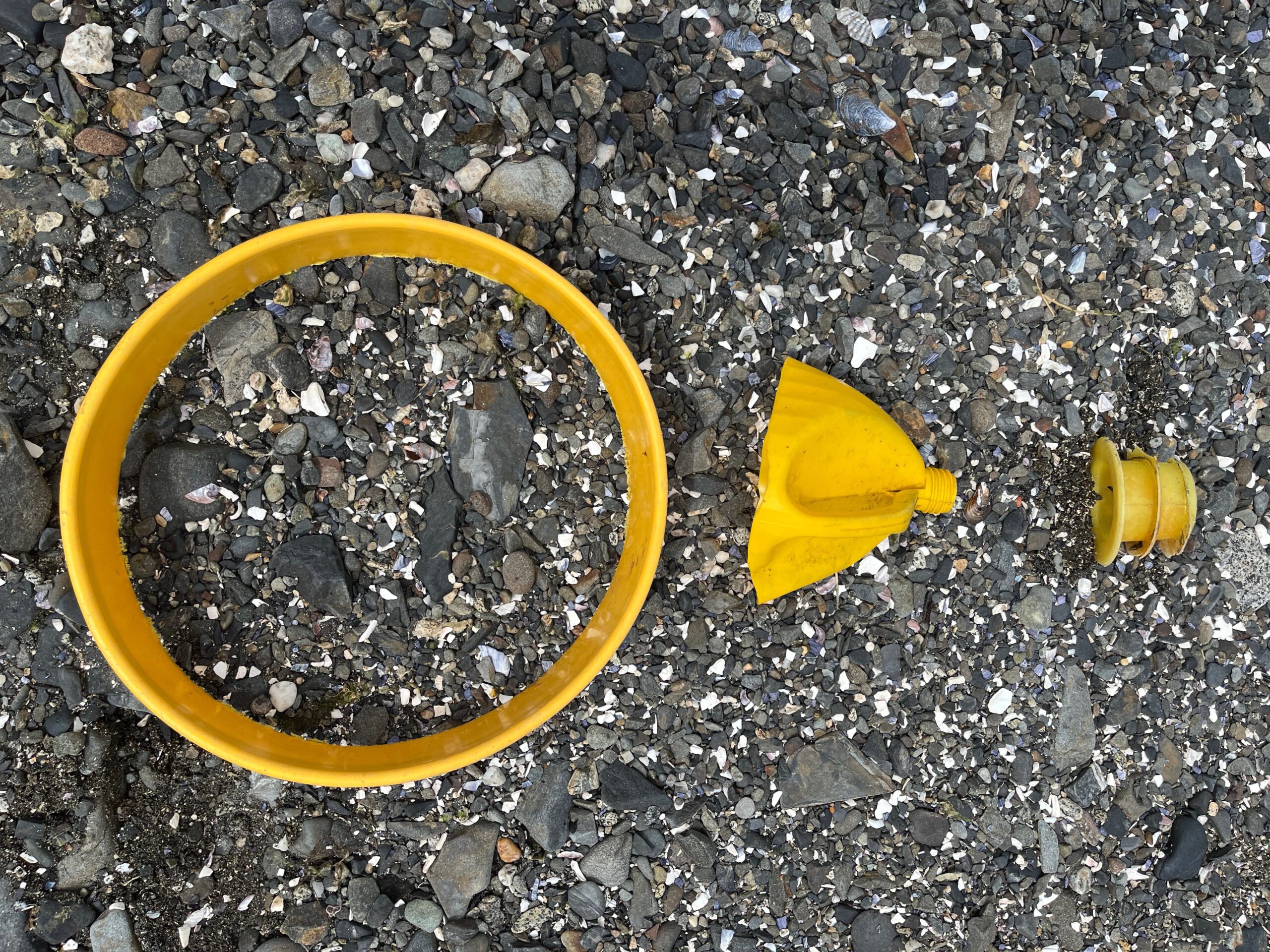
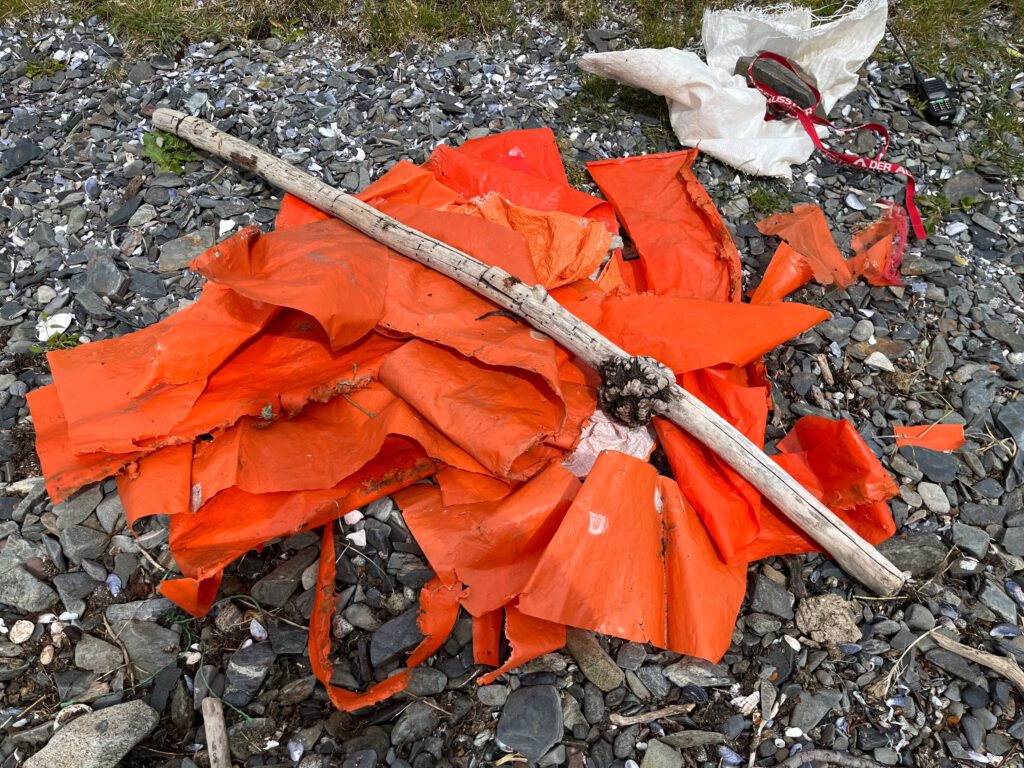
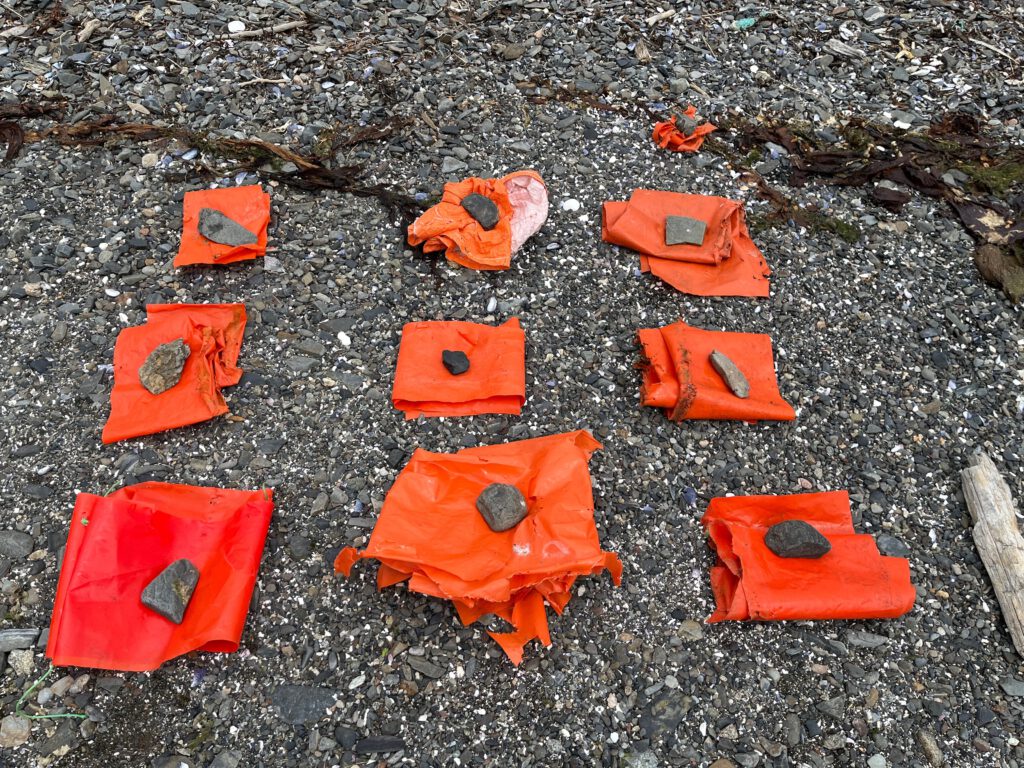
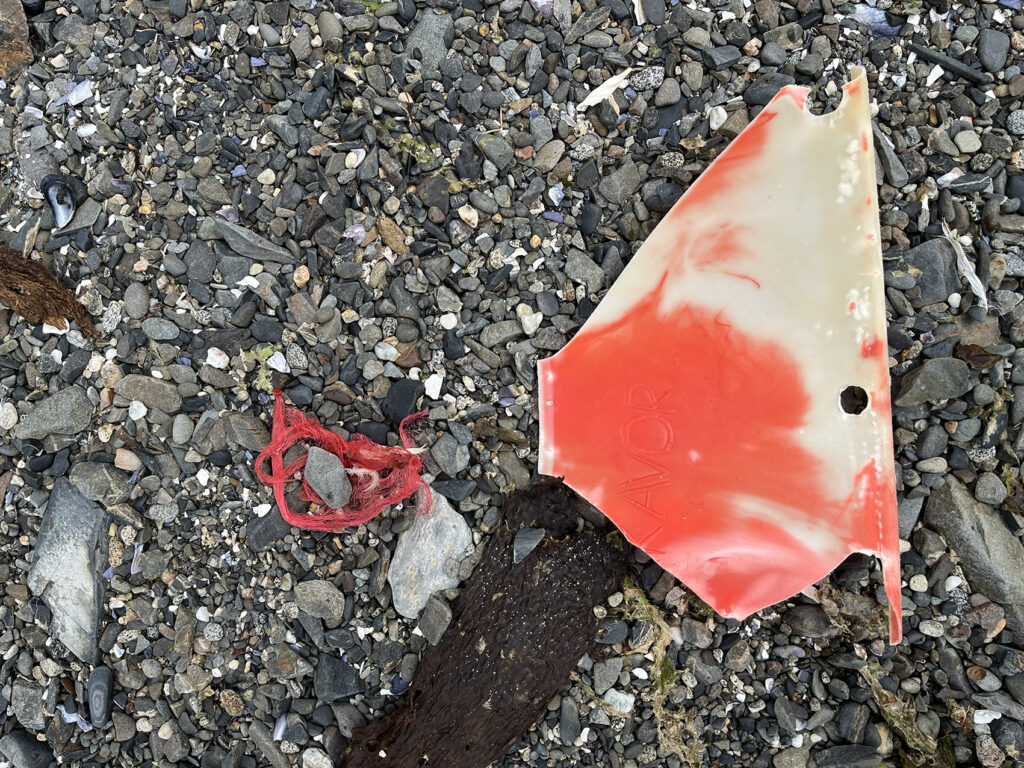
The site already contains such evidence. The landscape carries traces of long human habitation, material records left by people whose occupation of this place precedes industrialization by centuries. Among the most legible of these are shell middens: accumulations of kitchen waste, the discarded remains of meals, deposited over generations into low mounds that have become, over time, among the most information-dense archaeological features in the region. They were not intended as archives. They are archives nonetheless, layered deposits in which the incidental context of daily disposal has preserved stone tools, bone implements, and other artifacts that would not have survived in isolation. Waste, here, was never just waste. It was always also record.
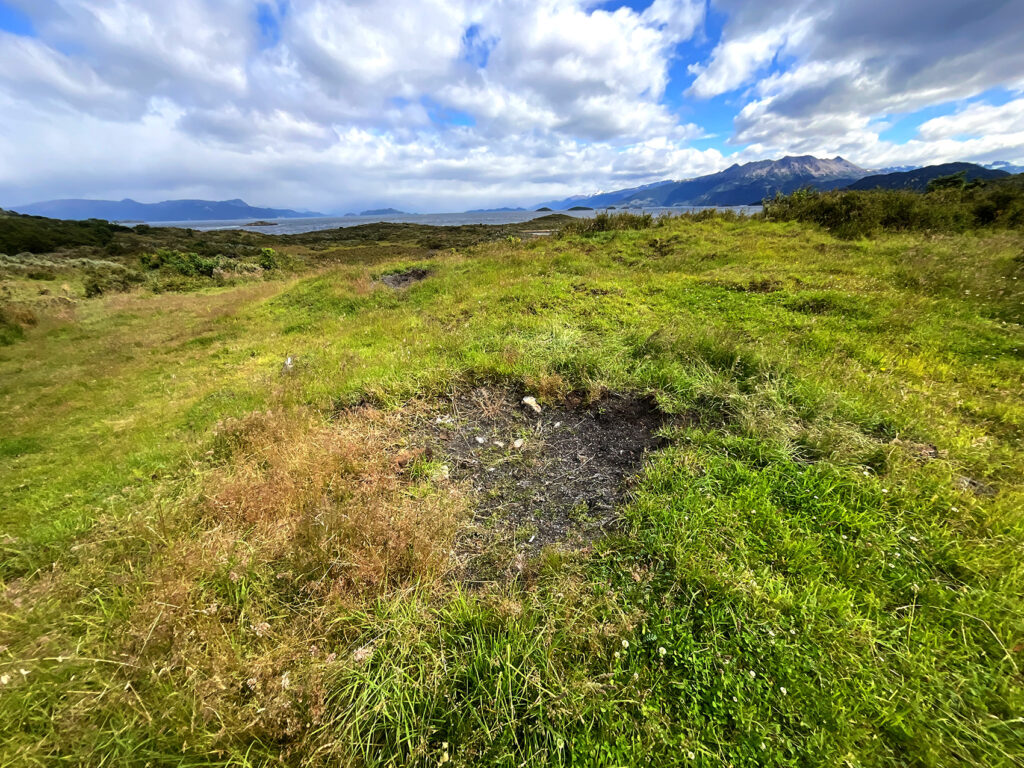
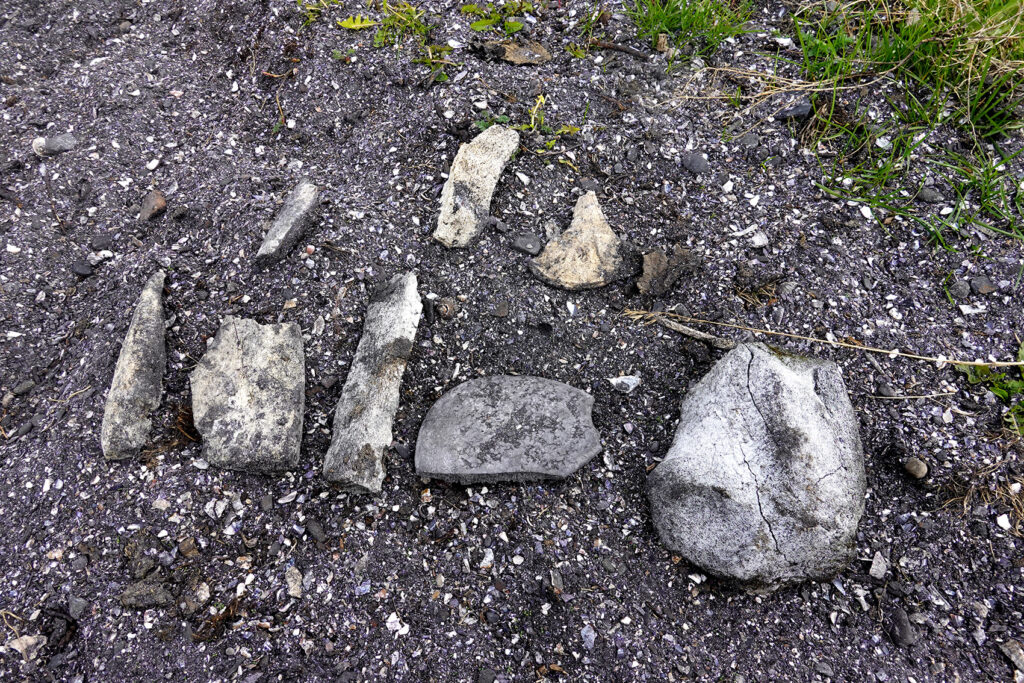
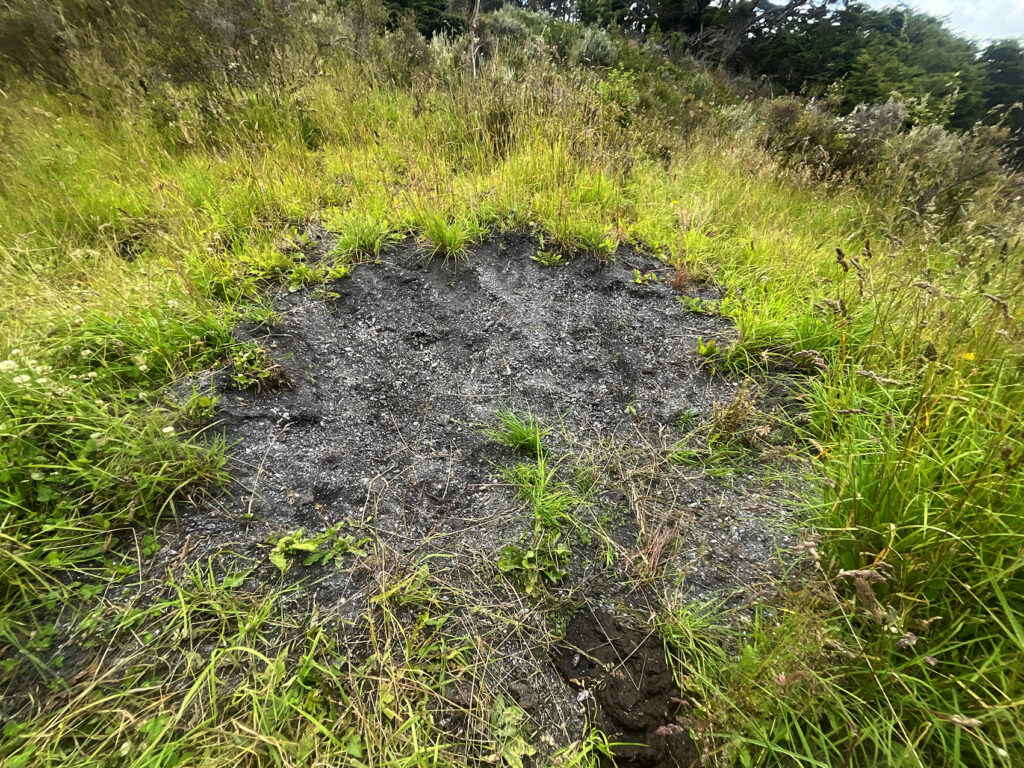
Working within that context makes the stratigraphic logic unavoidable. As Bernadette Bensaude-Vincent argues, the entanglement between material, technical and cultural aspects shapes artifacts themselves, and reconfigures the relationship between nature, artifacts and culture.¹ Each stratum is legible only in relation to the others. Every layer of human deposit asks to be read against the ones beneath it. Across the longer arc of material culture, different substances index different organizational systems: what a society extracts, processes, and discards reflects the scale and structure of the system that produced it. Plastic is the current index. It does not suggest craft or survival or the organization of local resources. It suggests something harder to localize: global systems of mass production, accelerated consumption, and externalized disposal, systems so large they have lost the ability to account for their own residue. What distinguishes plastic from every deposit beneath it is not its cultural logic but its chemistry and its scale. It does not break down. And unlike the shell midden, it was not left here by people who lived here.
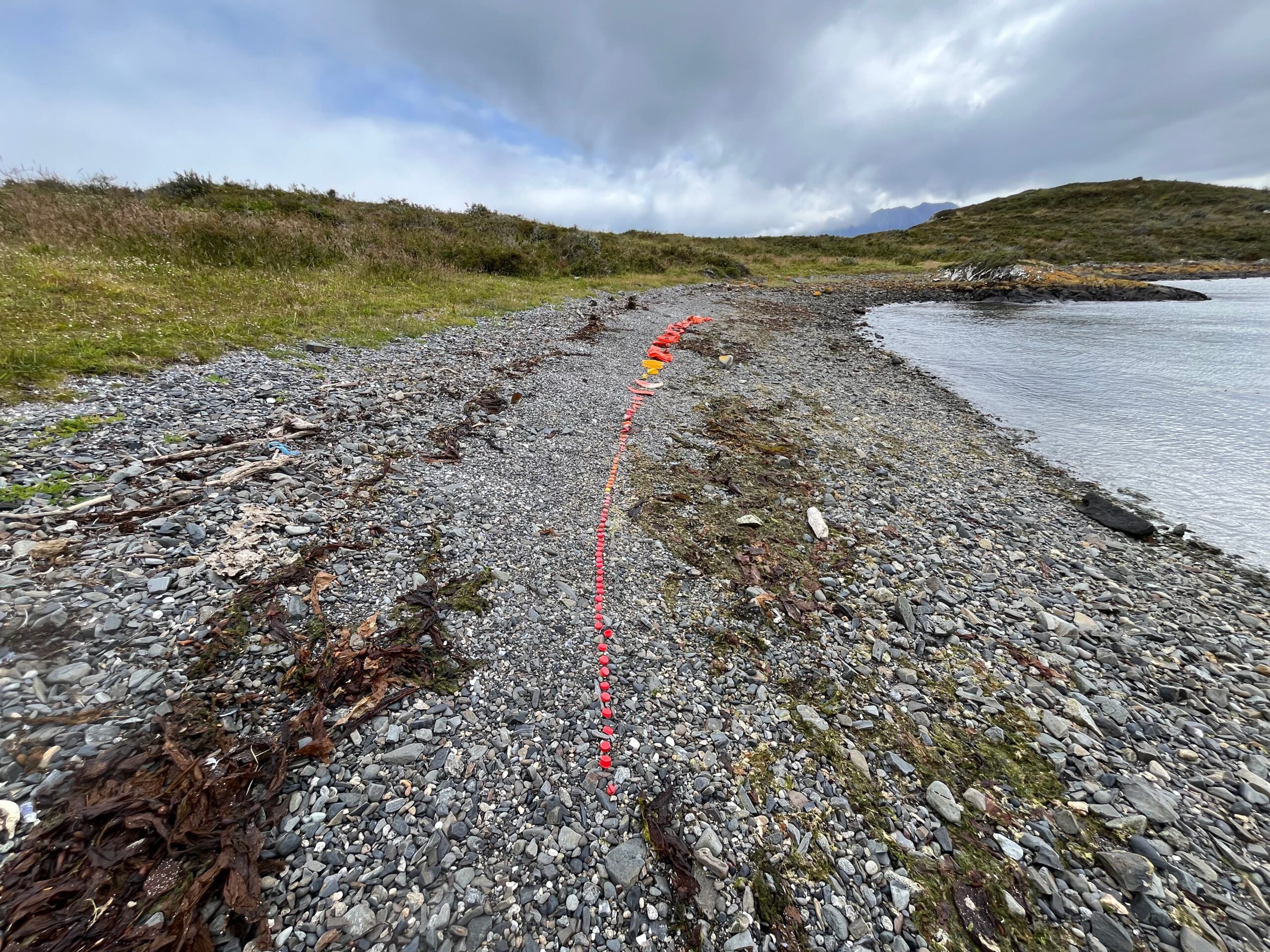
The naming of the material is itself instructive. Earlier materials are named for their substance: stone, wood, glass, aluminium. Synthetic polymers are named for a property, plasticity, the capacity to be shaped. Roland Barthes identified this as plastic’s ideological core, pure potential, the promise of indefinite transformation.² What that promise obscured was the material’s actual relationship to time. Drawing on Henri Bergson’s concept of duration,³ plastic cannot be understood as a series of discrete present moments. Each object is continuous with the fossil record that produced it and with the environmental accumulation it will join. The ephemerality is a design fiction. The accumulation is the reality.
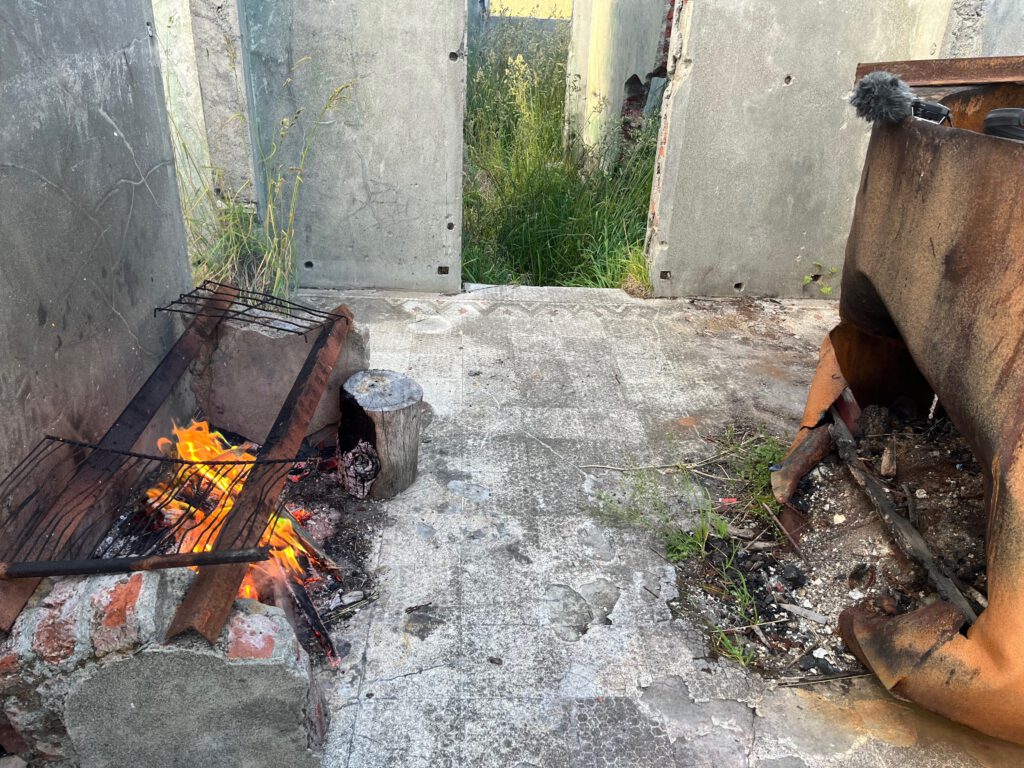
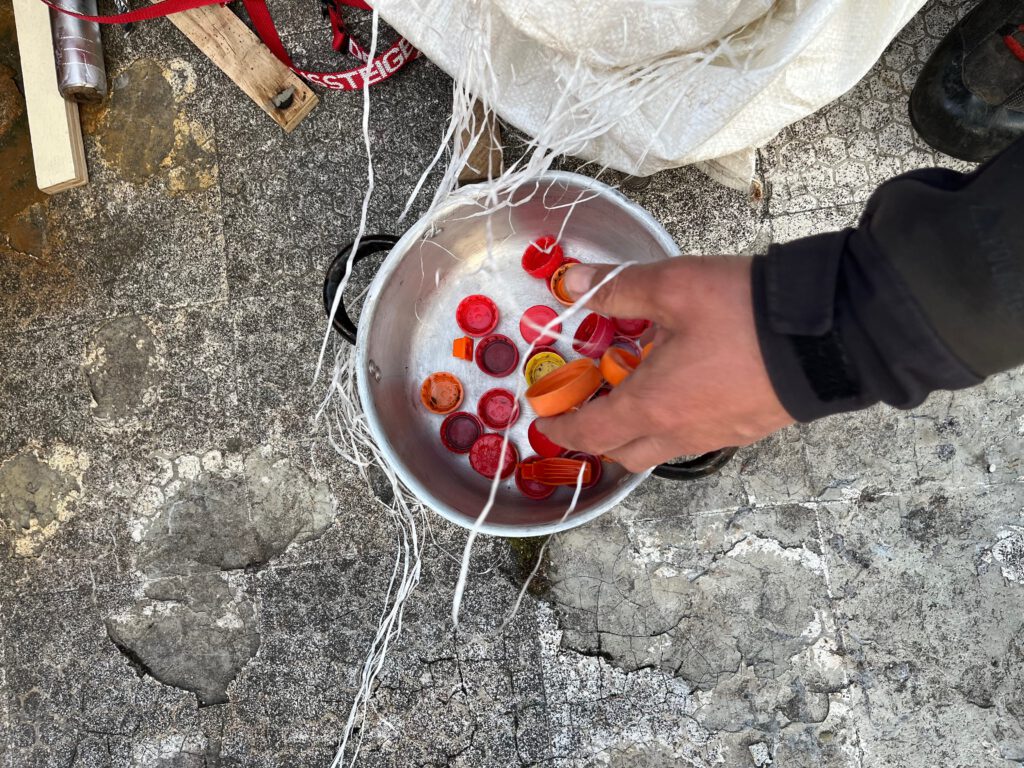

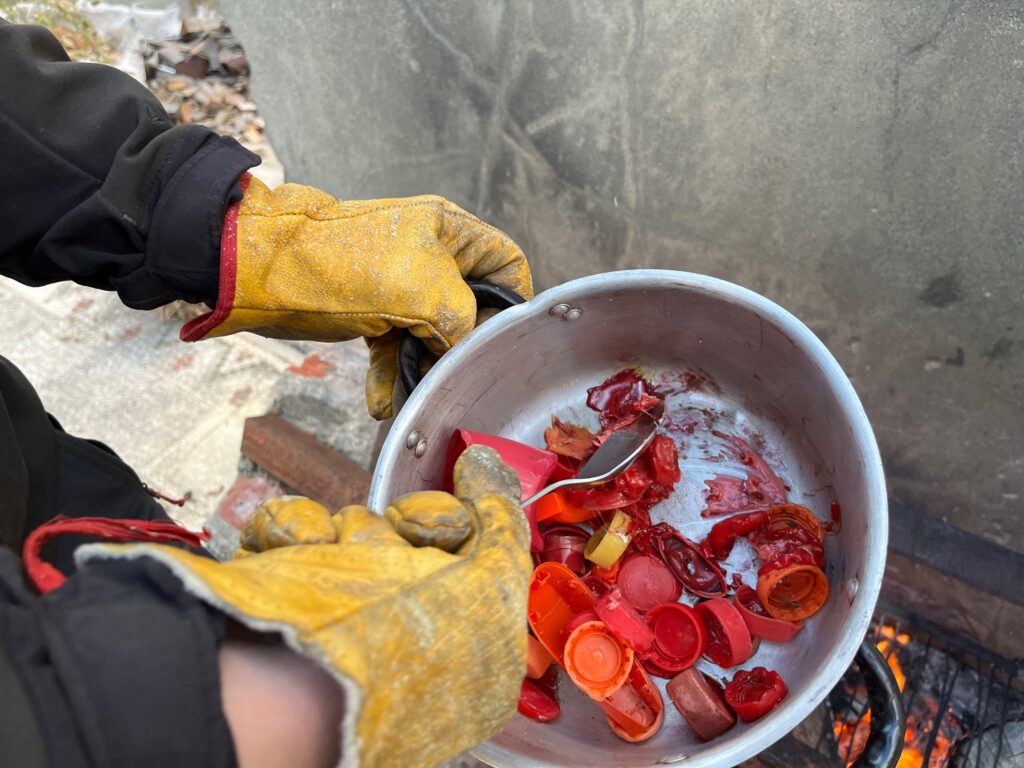
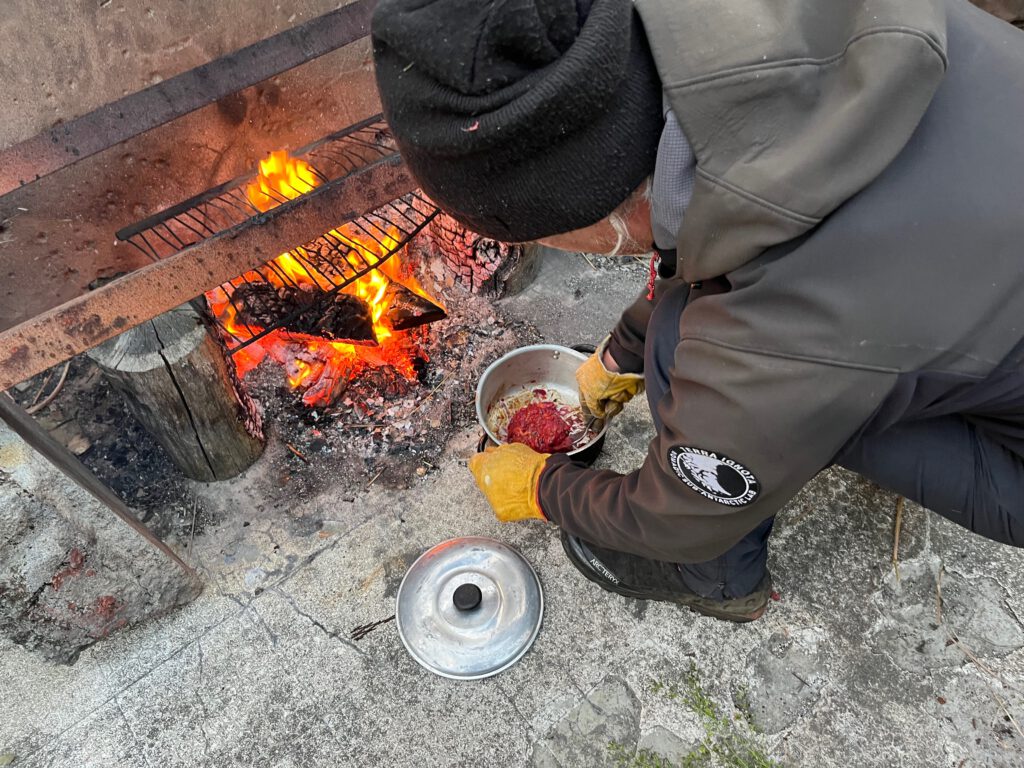
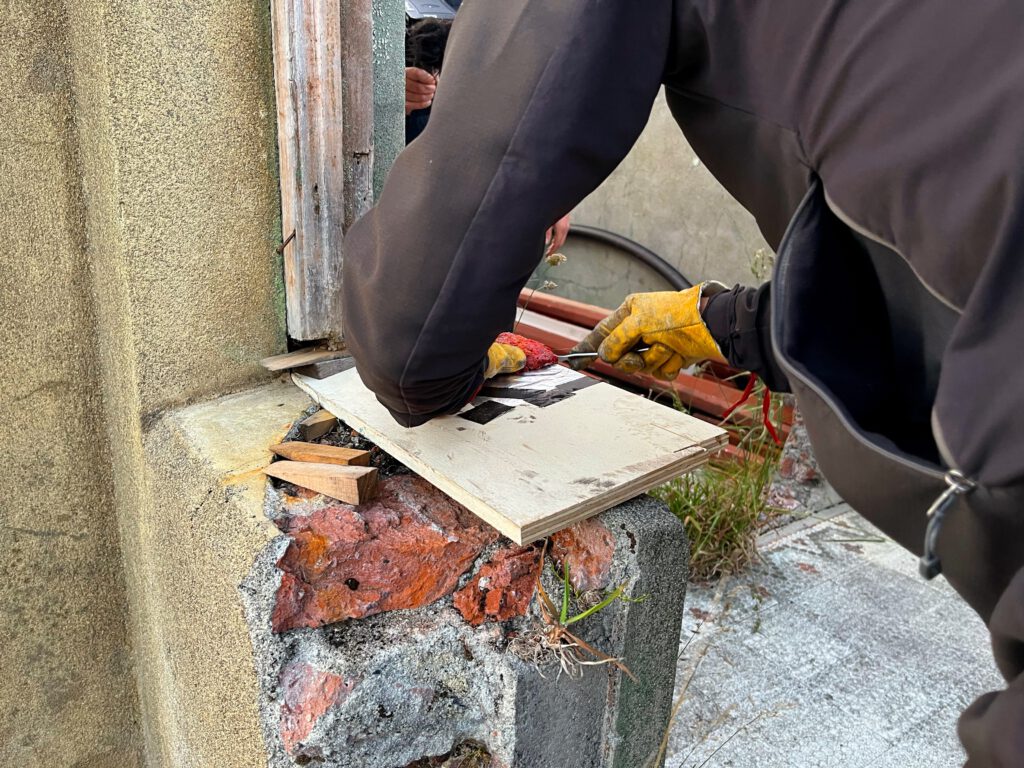
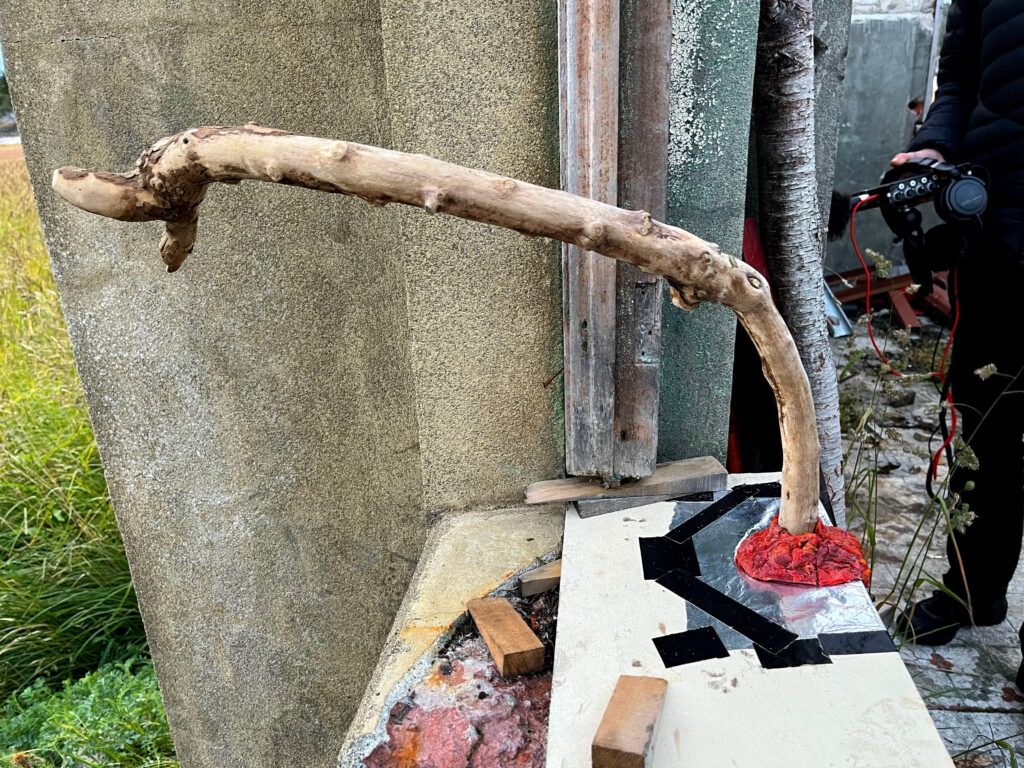
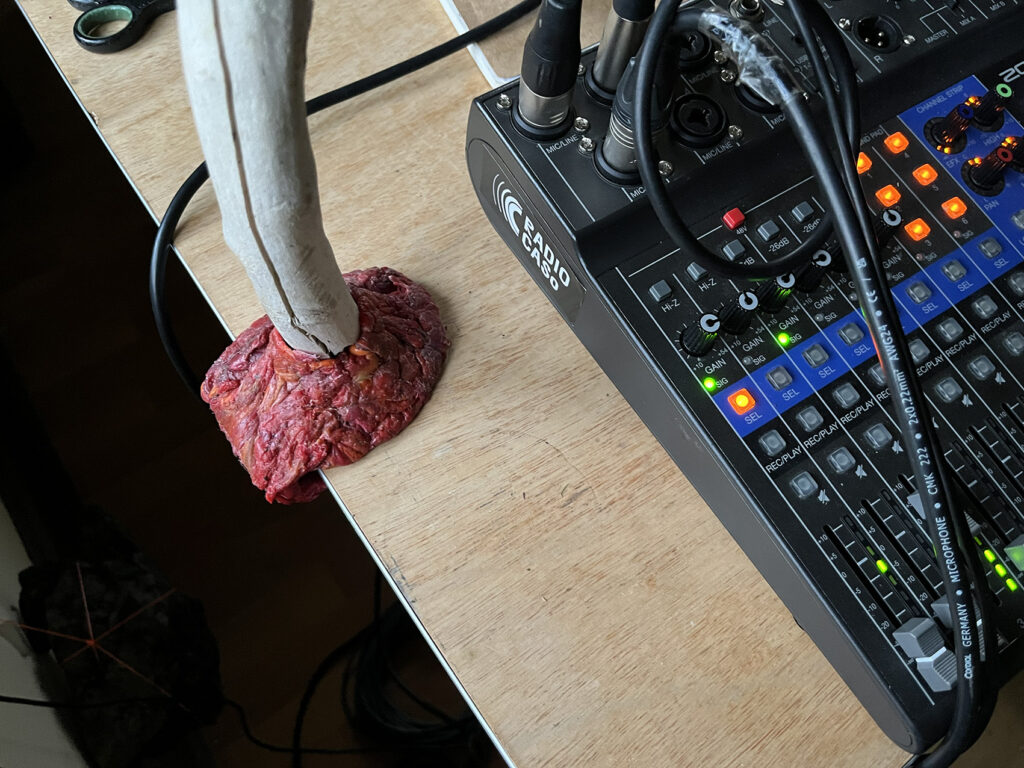
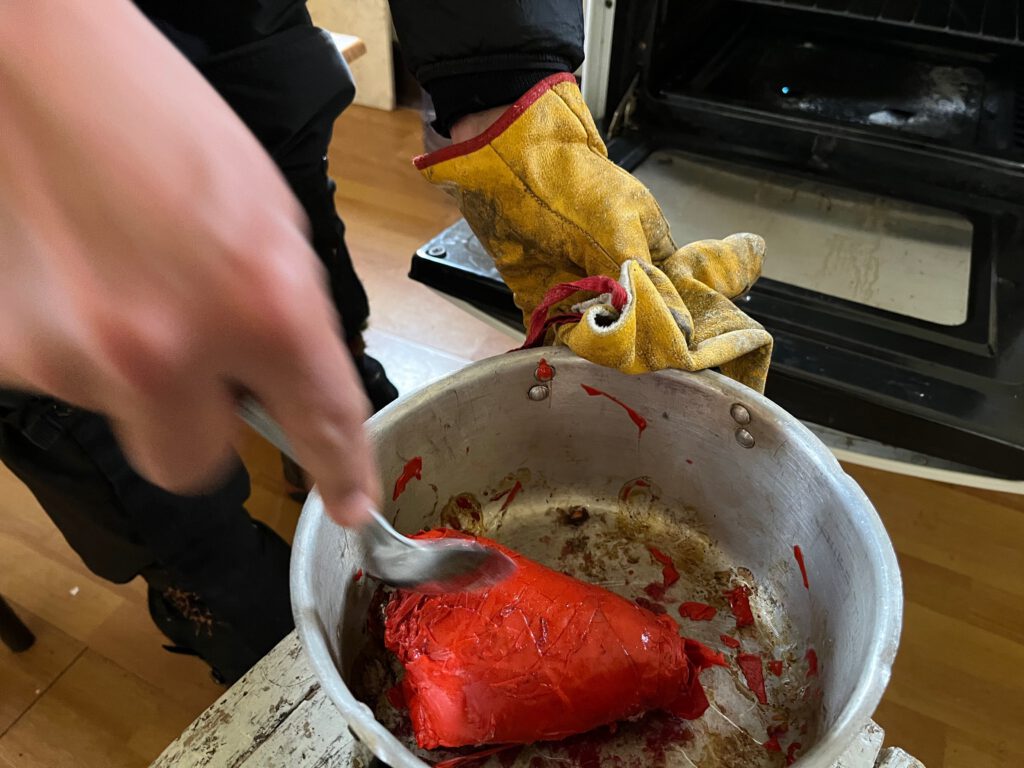

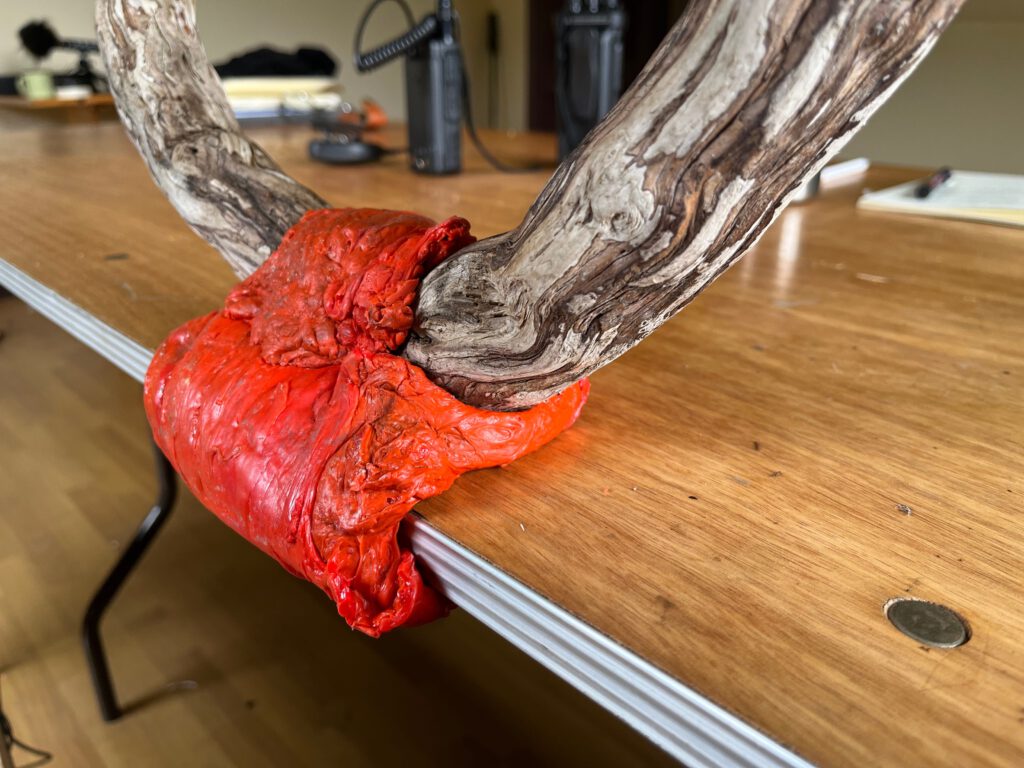

In a second phase, the collected material is processed directly: melted over open fire, recast, and formed into functional components, joints, connectors, clamps, holders, that serve as the structural elements of a temporary exhibition architecture built from the same debris and locally sourced driftwood. The act of sorting, melting, and recasting is an act of reading, a way of handling the evidence carefully rather than processing it away. The material is not cleaned up or recontextualized into something unrecognizable. The components retain the evidence of their prior existence and their reprocessing. In geological terms they qualify as plastiglomerates, hybrid matter that crosses the boundary between industrial and natural, between one timescale and another. The architecture produced is functional and temporary. It does not propose a solution to plastic accumulation. It is made of it.



The underlying claim is methodological rather than remedial: that plastic, treated as a material culture artifact rather than a waste management problem, becomes a more precise index of the systems that produced it. As a cultural artifact, plastic reveals contradictions. It is not just evidence of culture, it is evidence of culture outpacing its own ability to remember and care. It does not merely reflect the systems that produced it, it exposes their blind spots. It is honest in a brutal way. Heritage, in any landscape with this density of human trace, is always a question of which timescale you apply. Plastic does not sit outside that question. It sharpens it.
“All plastics ever manufactured since the rise of the Plastic Age are still likely to be present in the environment and oceans in some form, as they will not have completely broken down yet.”⁴
¹ Bensaude-Vincent, Bernadette. “Plastics, Materials and Dreams of Dematerialization.” In Accumulation: The Material Politics of Plastic, edited by Jennifer Gabrys, Gay Hawkins, and Mike Michael, 17–29. London: Routledge, 2013.
² Barthes, Roland. Mythen des Alltags. Translated by Horst Brühmann. Frankfurt am Main: Suhrkamp, 2010.
³ Bergson, Henri. The Creative Mind: An Introduction to Metaphysics. New York: Kensington, 1946.
⁴ Lebwohl, B. “Plastics in Ocean Biodegrade Slowly.” Interview with Anthony Andrady. EarthSky. Quoted in Jennifer Gabrys, “Plastic and the Work of the Biodegradable,” in Accumulation: The Material Politics of Plastic, edited by Jennifer Gabrys, Gay Hawkins, and Mike Michael. London: Routledge, 2013.