Magallanes Signaling @ Festival Tsonami 2026

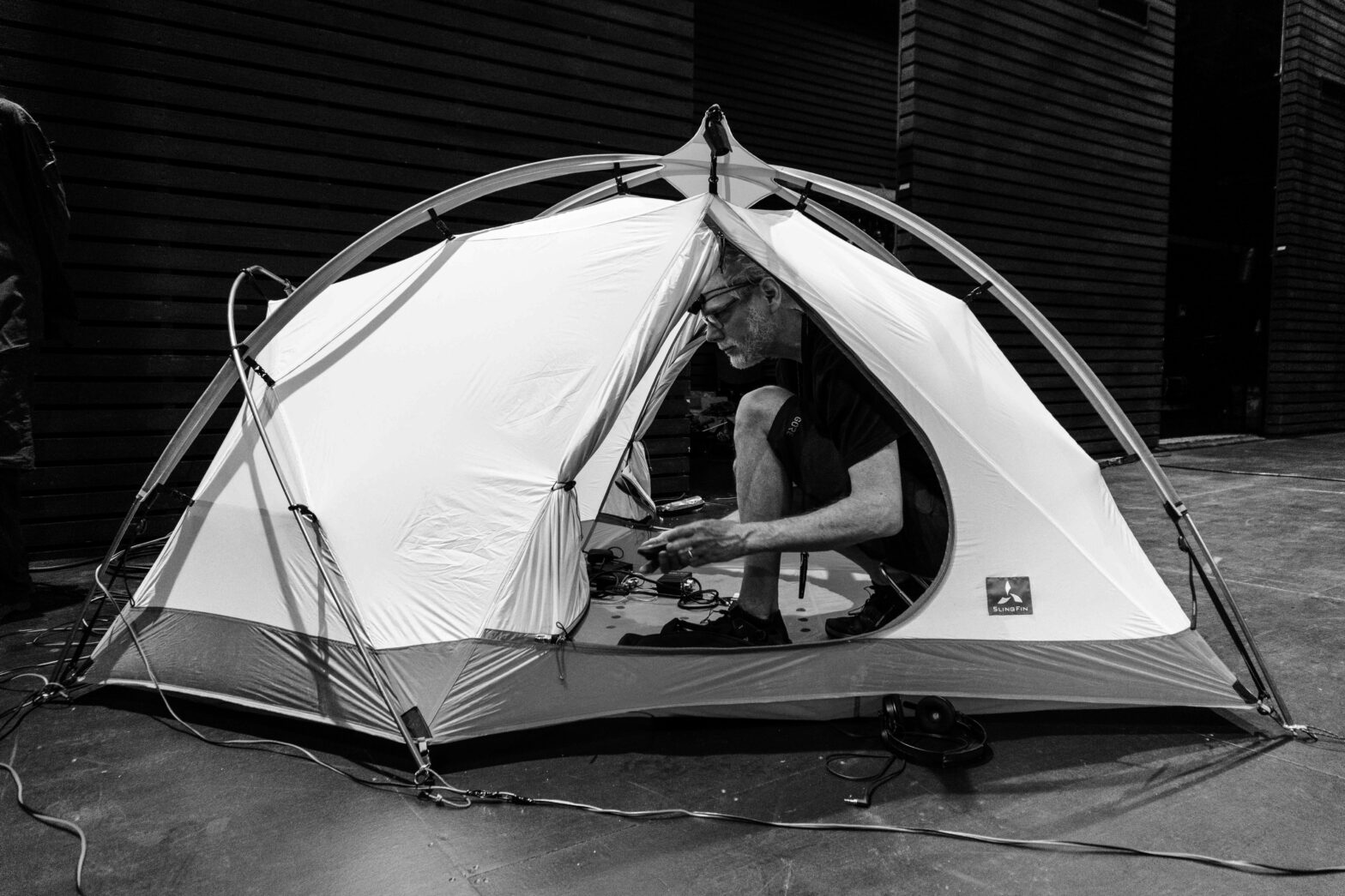
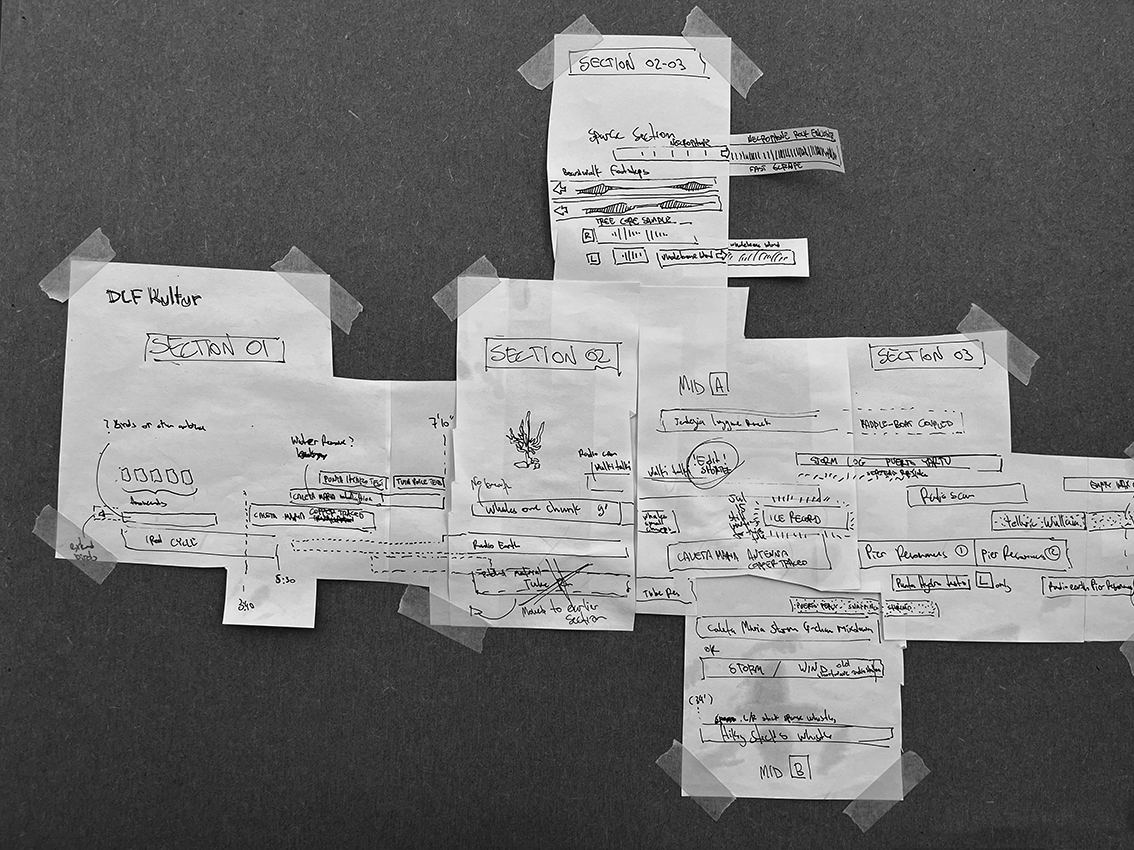
Magallanes Signaling by Carsten Stabenow and Raviv Ganchrow was presented at this years Tsonami Festival.

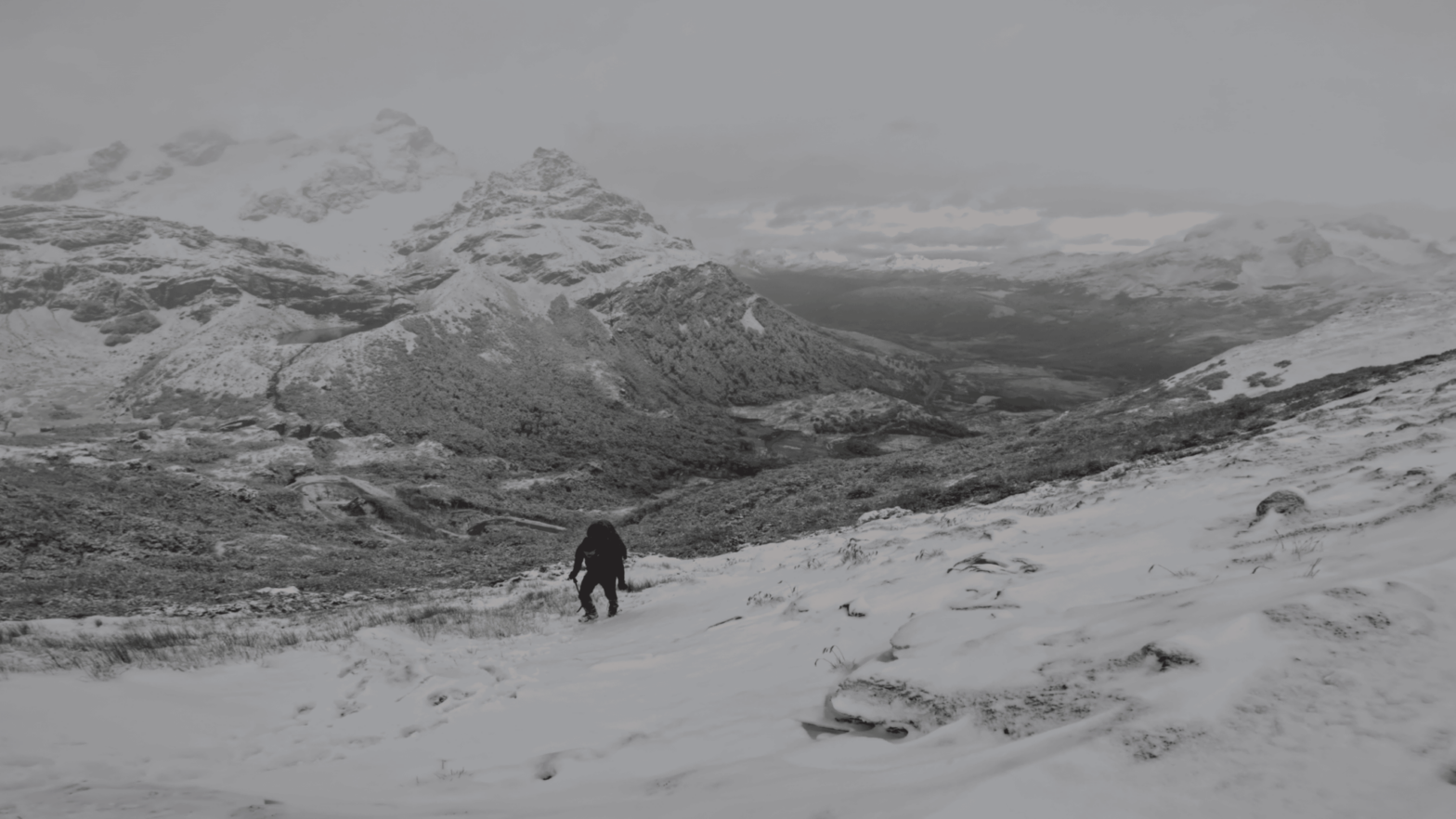
Perfromative spatial-sound configurations, culled from unedited location recordings of a research journey through Chile’s southernmost regions (Tierra del Fuego and Navarino Island) to the decommissioned radio station at Wulaia Bay. 

Continue reading “Magallanes Signaling @ Festival Tsonami 2026”

New research programme for 2026

The Cultural Agglomeration Zone (CAZ) project investigates the accumulation of cultural, historical, and environmental layers in Bahía Wulaia and Seno Ponsonby (in the Cape Horn archipelago), considering more than 7,000 years of occupation by seafaring nomads. In collaboration with the Austral University of Chile, the project will carry out an extensive study in the Ponsonby area during January and February 2026, with the aim of rethinking the current conception of human settlement in this territory and its historical interaction with the environment. Read more about the project here >>>

Deutschlandradio Kultur – Navigating Radiales

by Raviv Ganchrow + Carsten Stabenow
broadcast premiere, August 29, 2025, Deutschlandradio Kultur

This audio montage consists of raw location recordings, with no added audio effects, tracing a research journey through Chile’s southernmost regions (Tierra del Fuego and Navarino Island) to the decommissioned radio station at Wulaia Bay. 

Continue reading “Deutschlandradio Kultur – Navigating Radiales”

Antarctic Congresses 2025

X Latin American Congress of Antarctic Science +
XII Chilean Congress of Antarctic Research
From 28 July to 1 August 2025

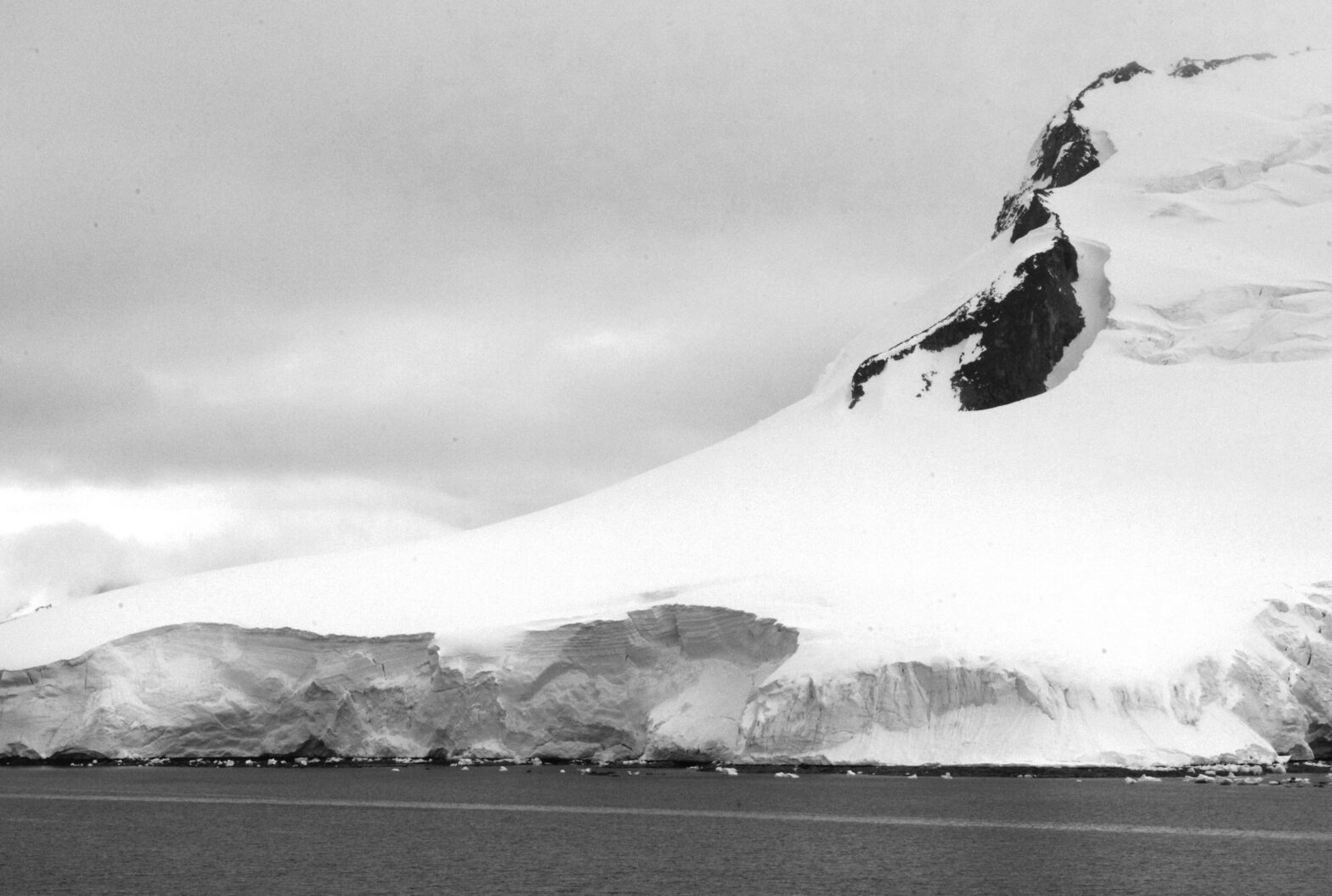
During the last week of July, Valdivia will host the X Latin American Congress of Antarctic Science (CLCA) and the XII Chilean Congress of Antarctic Research (CCIA), two key events for scientific knowledge about the white continent. Both will be held at the Nahmías building on the Isla Teja Campus of the Universidad Austral de Chile and are organised by the IDEAL Centre, the Chilean Antarctic Institute (INACH) and the National Antarctic Research Council. The official inauguration will take place on Monday 28 July at 7pm at the Cervantes Theatre, and will bring together representatives from the academic, scientific and cultural world interested in the environmental dynamics of the southernmost part of the planet.

On this occasion, the transdisciplinary platform Terra Ignota has been invited to participate with an audiovisual intervention during the opening ceremony.

Continue reading “Antarctic Congresses 2025”

EM GUIDE: TERRA IGNOTA – Walking, Listening and Mapping the Unknown in Southern Chile

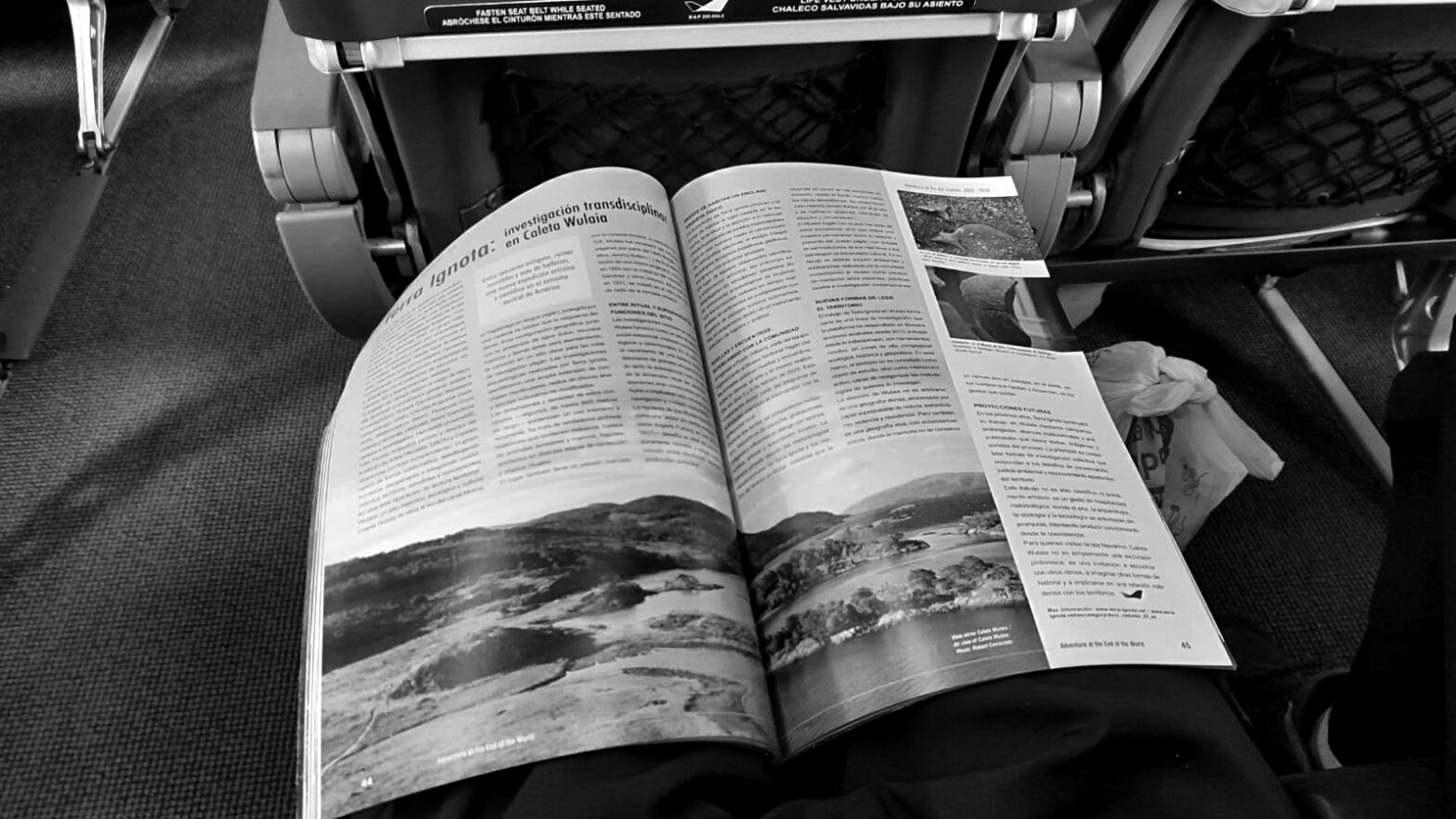
In the southernmost territories of South America, the nomadic platform Terra Ignota offers a new approach to exploration through radical listening and collective unlearning. For over a decade, Terra Ignota has challenged conventional methodologies, replacing fixed questions with the fluid act of walking, listening, and engaging with the landscape. In this space, rocks, wind, and found objects become living archives, carrying untold stories and traces of memory.
This interview is part of the southernests series, which explores how certain artistic gestures – through listening, drifting and publishing – activate community or affective bonds across South America. Each piece begins by revisiting personal materials from the interviewee’s archive. These are not private keepsakes, but forms of inscription. Fragments that can blur the line between the intimate and the public, condensing ways of life, embodied knowledge and situated modes of transmission. In this sense, publishing becomes a way of making that blurs the visible and reorganising the common.
Text by Florerncia Curci

Presentation at Weltmuseum Vienna

On July 18th, we presented the Terra Ignota platform along with several of our recent research initiatives at the Weltmuseum Wien. On this occasion, we also visited the museum’s depots—the collections of the Weltmuseum Wien comprise around 200,000 objects, of which only 1.5% are on public display. Accompanied by Claudia Augustat, curator of the South America Collection and member of the Terra Ignota team, we had the opportunity to conduct an in-depth exploration of the museum’s archives.

Continue reading “Presentation at Weltmuseum Vienna”

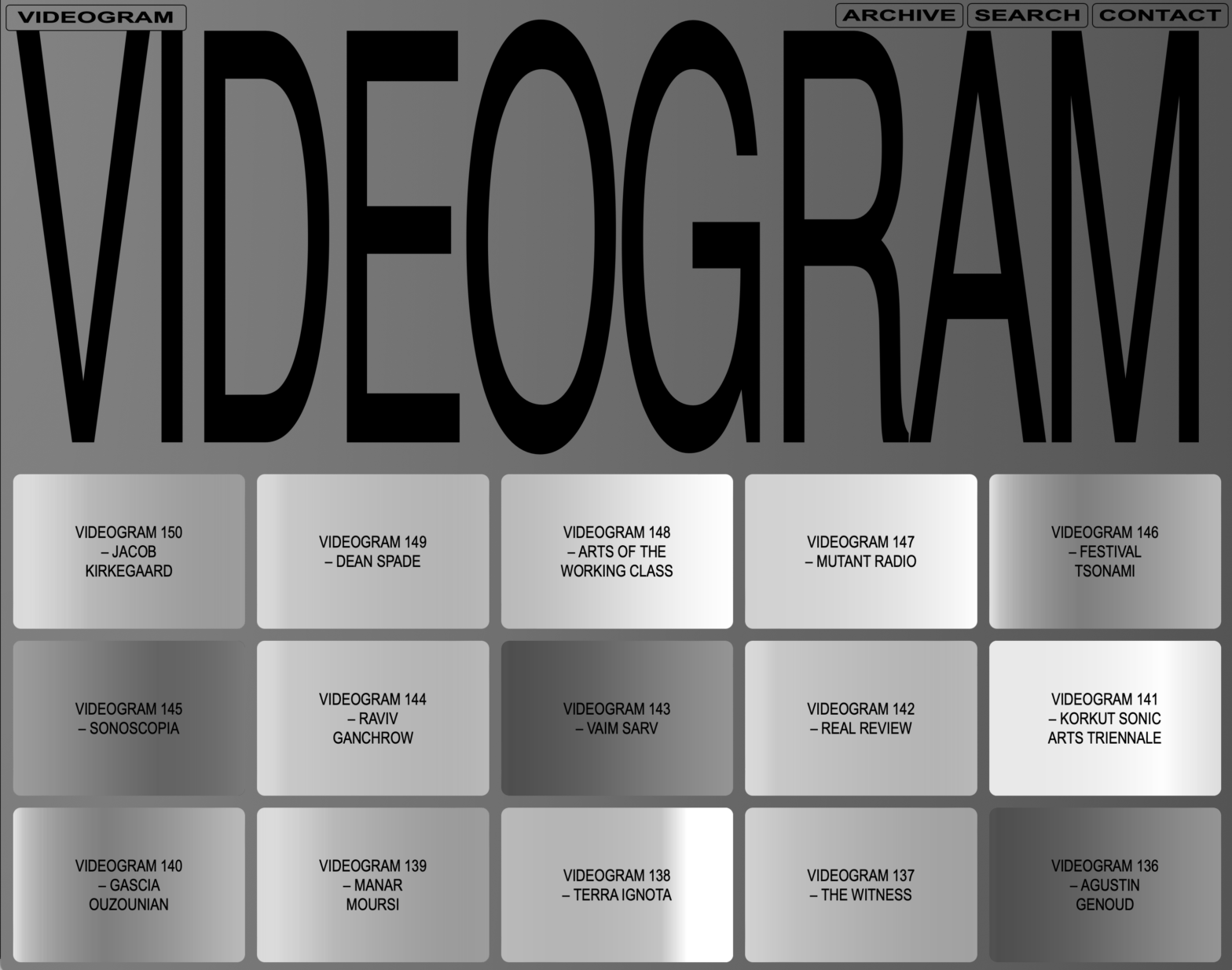
Videogam 144

Raviv Ganchrow – Tierra del Fuego Oceanic Reverb
7.5.2025, 19:00, https://videogram.favu.vut.cz/raviv-ganchrow

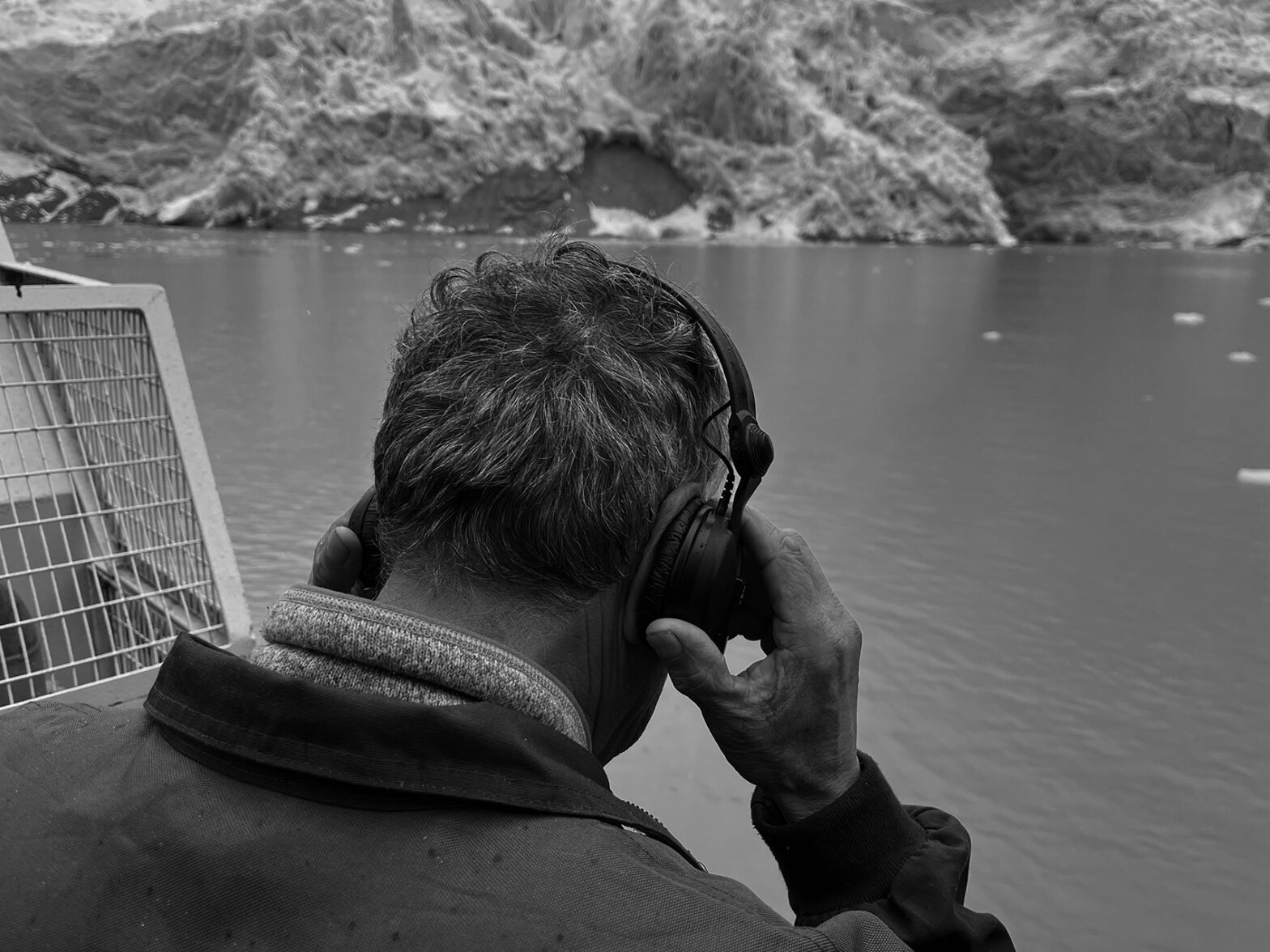
How do shifting relations between mammals, climate and geology refract through whale sounds and what interlinks those sounds with seabed topographies and ocean structure? How is human involvement with piezoelectric and oxide minerals conductive of underwater listening and how does such hearing alter maritime and coastal techniques? This talk sets these questions in dialogue with recent insights from the Whale Refractions research project, following experimental hydrophone recordings in the sub-Antarctic archipelago of Tierra del Fuego.

Videogram is a lecture series on contemporary modes of art, curatorial and artistic practice and theory.

Interfacing Ecologies

Date: 10 April 17:00 – 18:30 (CET)
Online on Zoom


How do mammalian abilities of hearing and sounding underwater adapt to marine environments? What interlinks cetacean sounds, seabed topographies and ocean structures? How do human-whale relations refract through maritime and coastal techniques? This talk sets these questions in dialogue with insights and discoveries from recent experimental hydrophone recordings in the Chilean sub-Antarctic archipelago of Magallanes.
Raviv Ganchrow is going to present Wahle Refractions at Interaction Design @ Zurich University of the Arts. See details >>>