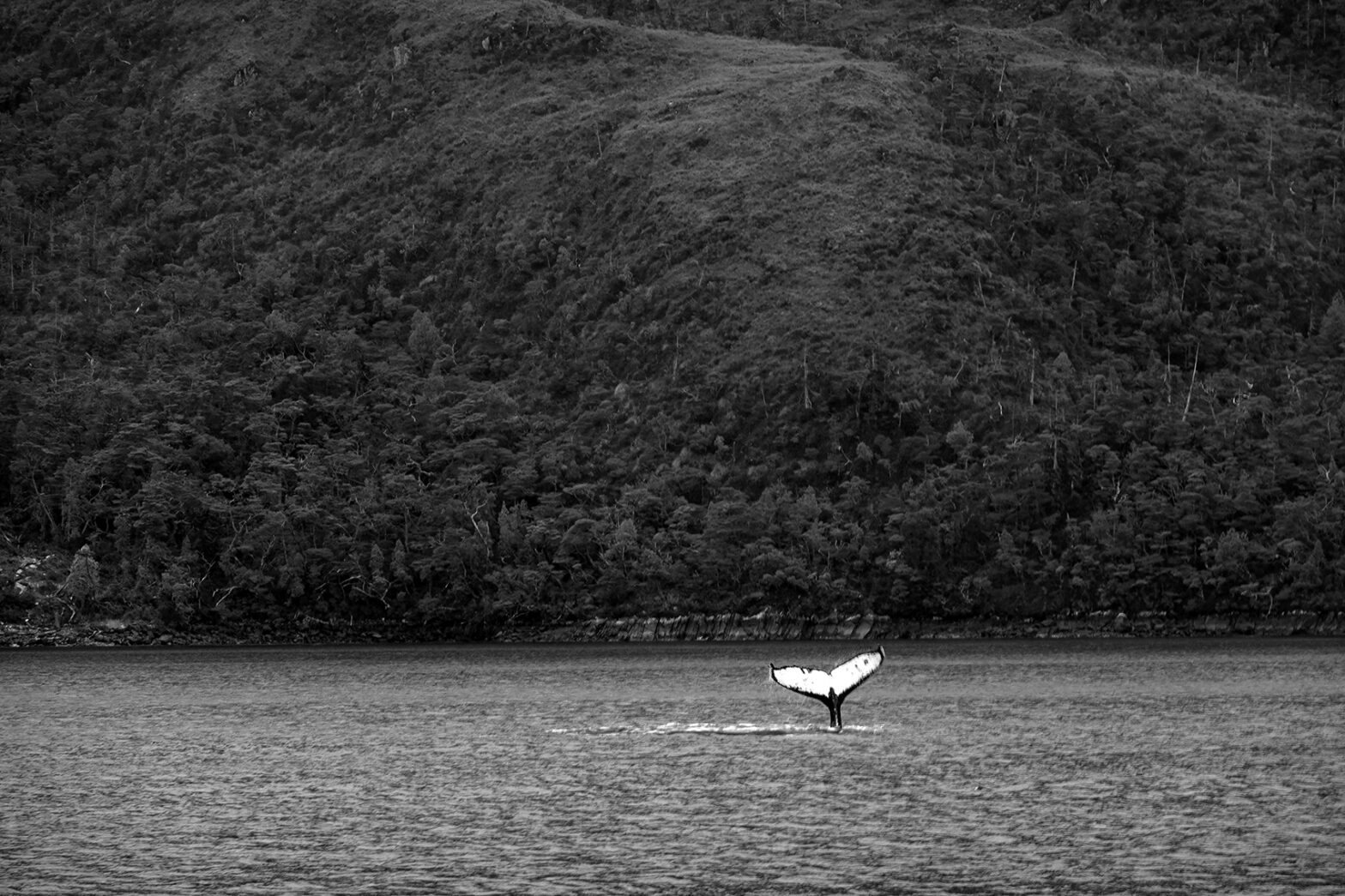
Whale Refractions engages with circuited operations (Ganchrow 2024) and diffuse continuities discernible in mammalian thalassic agency. It addresses complex planetary dynamics, involving coupled organic-inorganic oscillations cutting across temporal, geological and technological domains. Spatial-material dimensions of those operations come into sharpened focus while refracting through Magallanes contexts and sub-Antarctic tectonics.
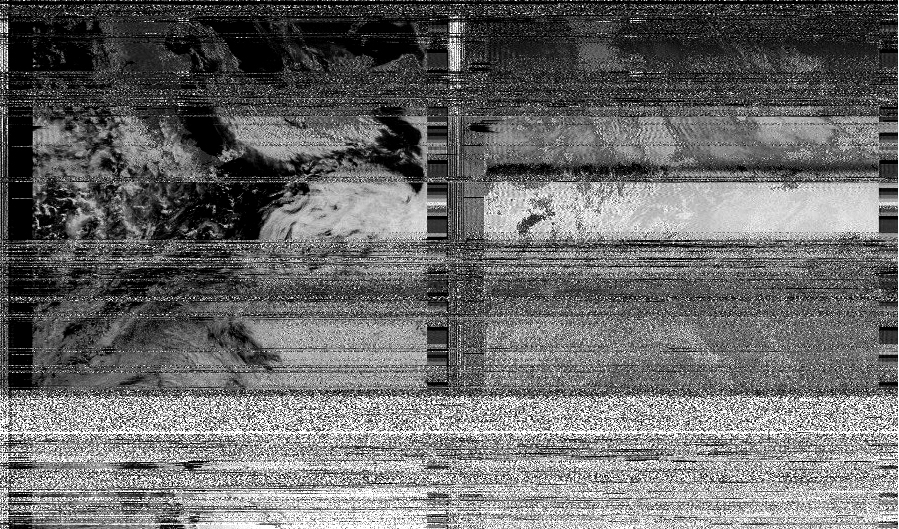
Whale Refractions adopts sound as a guide on a journey through planetary ‘heritage at large’, tracing shifting relations in human-whale attentions, late Gondwana geology, cetacean and auditory morphogenesis, Eocene global warming, oxide-based recording techniques and piezoelectric oceanic surveillance, all entwining through a set of undulations typical to the Age of Mammals.
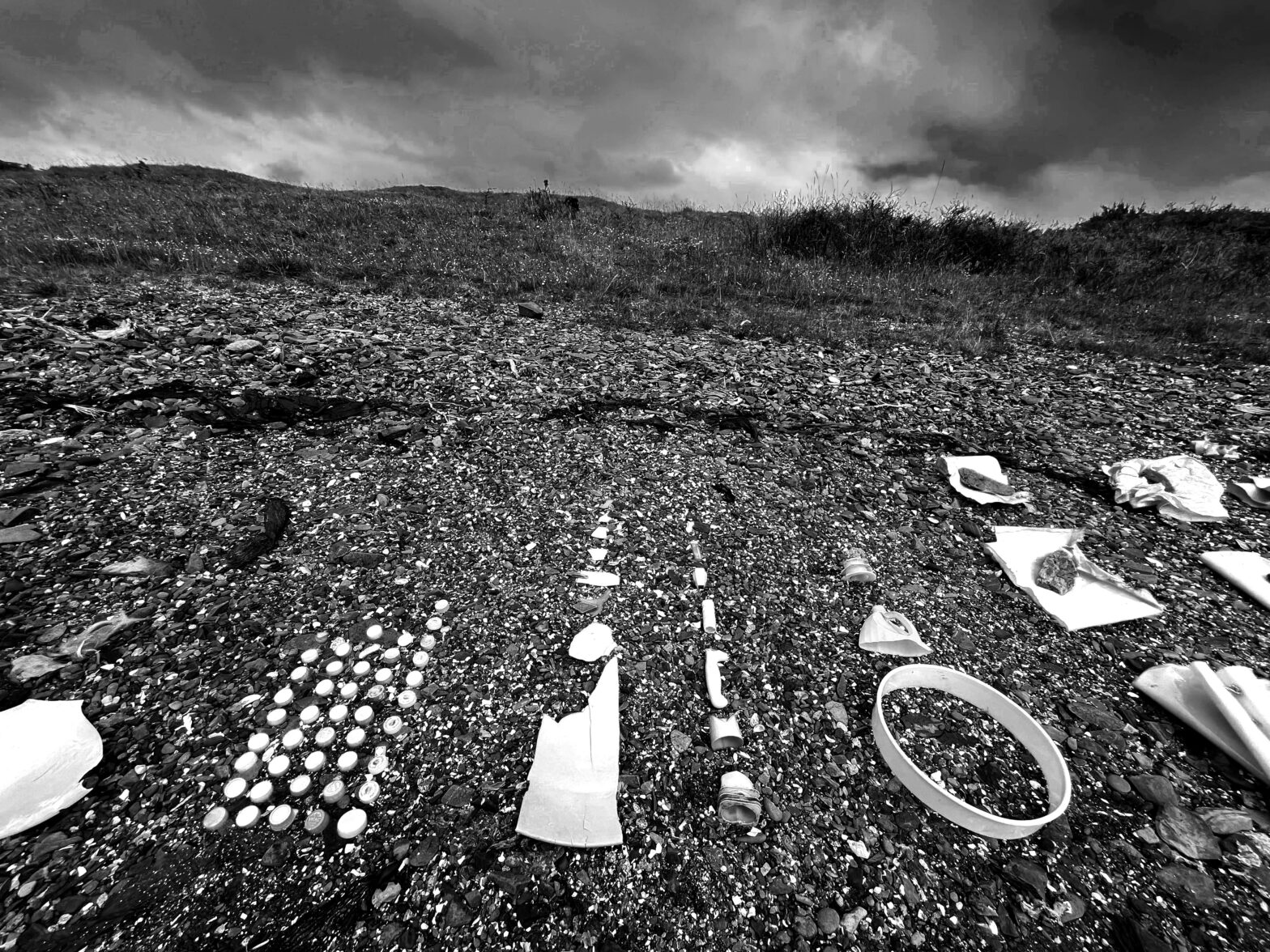
Plastic is not a neutral material. As a cultural artifact, it is among the most legible products of the modern era, not because it was designed to persist, but because it was designed not to. The gap between intended ephemerality and actual durability is not incidental. It is structural, and it is the condition this small project works within.
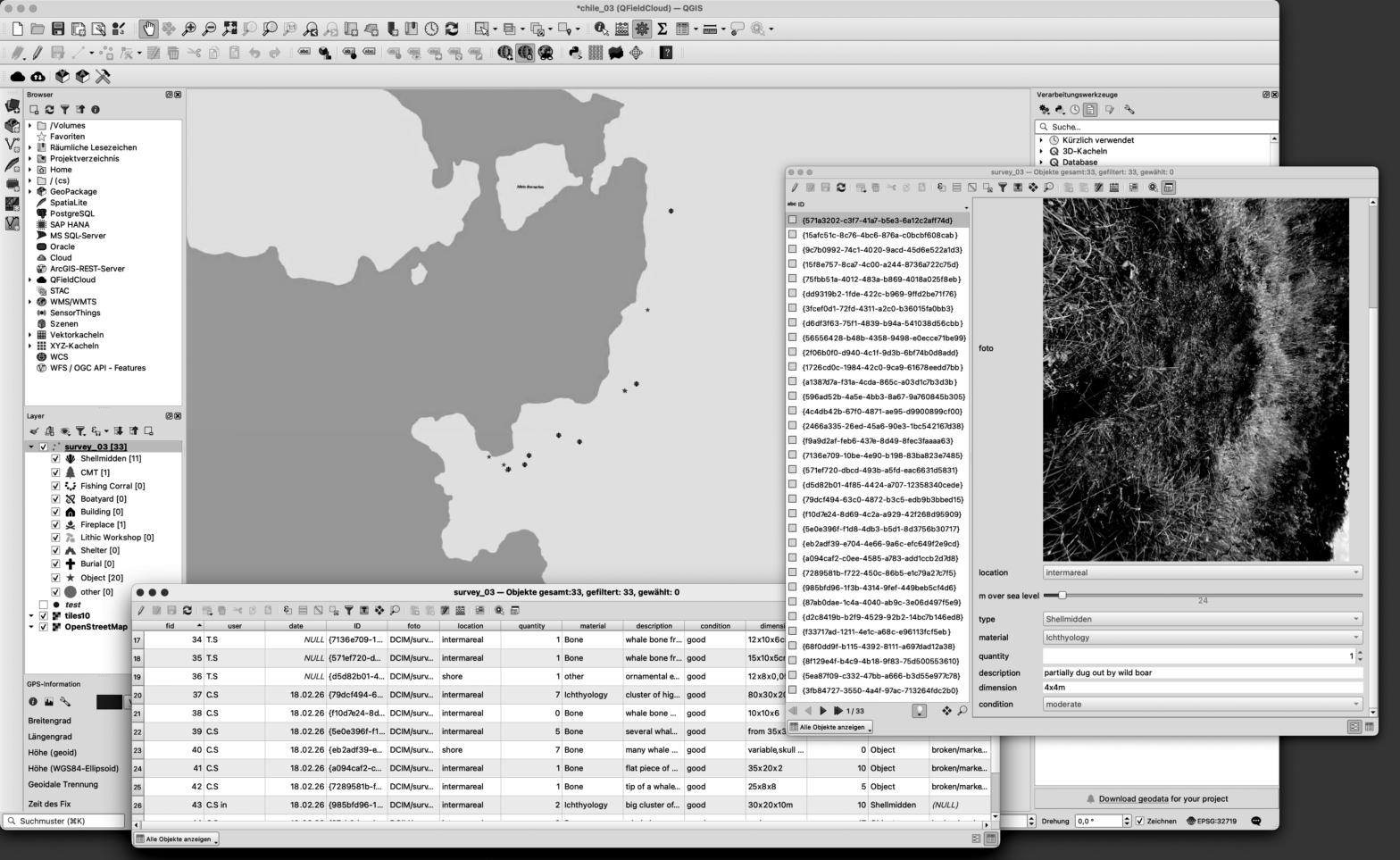
This document describes an ongoing, experimental effort. The tool and methodology are currently in active development and field testing.
Working in Heritage-Dense Territory
Terra Ignota’s projects take place in territories where layers of human presence — ancient and recent — are written into the landscape. Moving through such environments, even with non-invasive methods and an ecological rather than archaeological orientation, carries the responsibility to notice and to document. That reality calls for care, and for close collaboration with the experts and community institutions that hold responsibility for local heritage knowledge. It is out of this ongoing commitment that we started developing a lightweight, open-source mobile GIS survey tool — a practical methodological response to the specific demands of working in these landscapes. In the frame of CAZ we started to work on that idea together with Robert Carracedo Recasens.
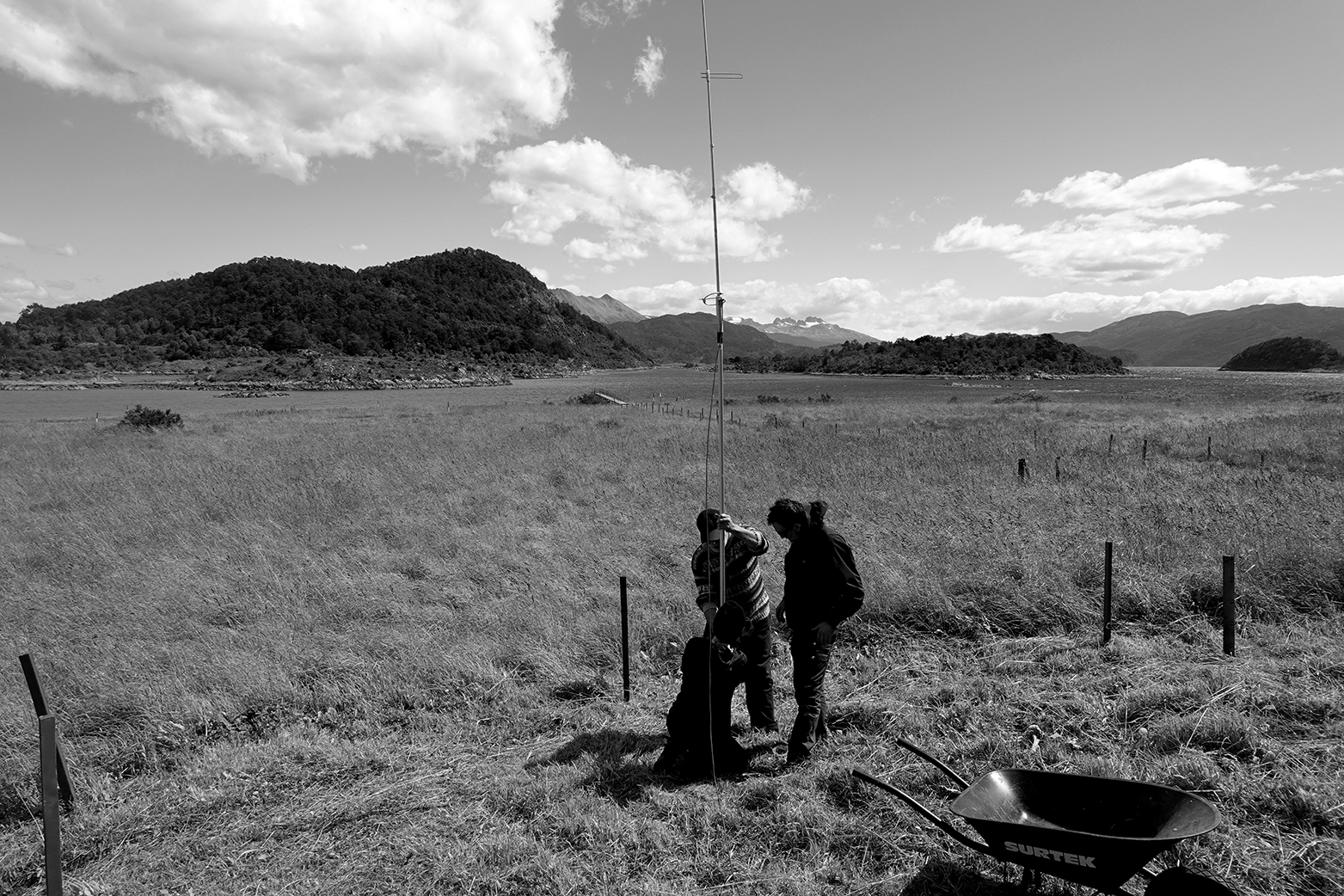
Radiales understands Bahía Wulaia and Seno Ponsonby as a living archive, where landscape, wind, water, and rock record signals of cultural and natural information. The project interprets heritage as a dynamic process of transmission: the place becomes both receiver and transmitter of experiences, knowledge, and memories, able to connect with the community and transcend the physical and temporal limits of the territory.
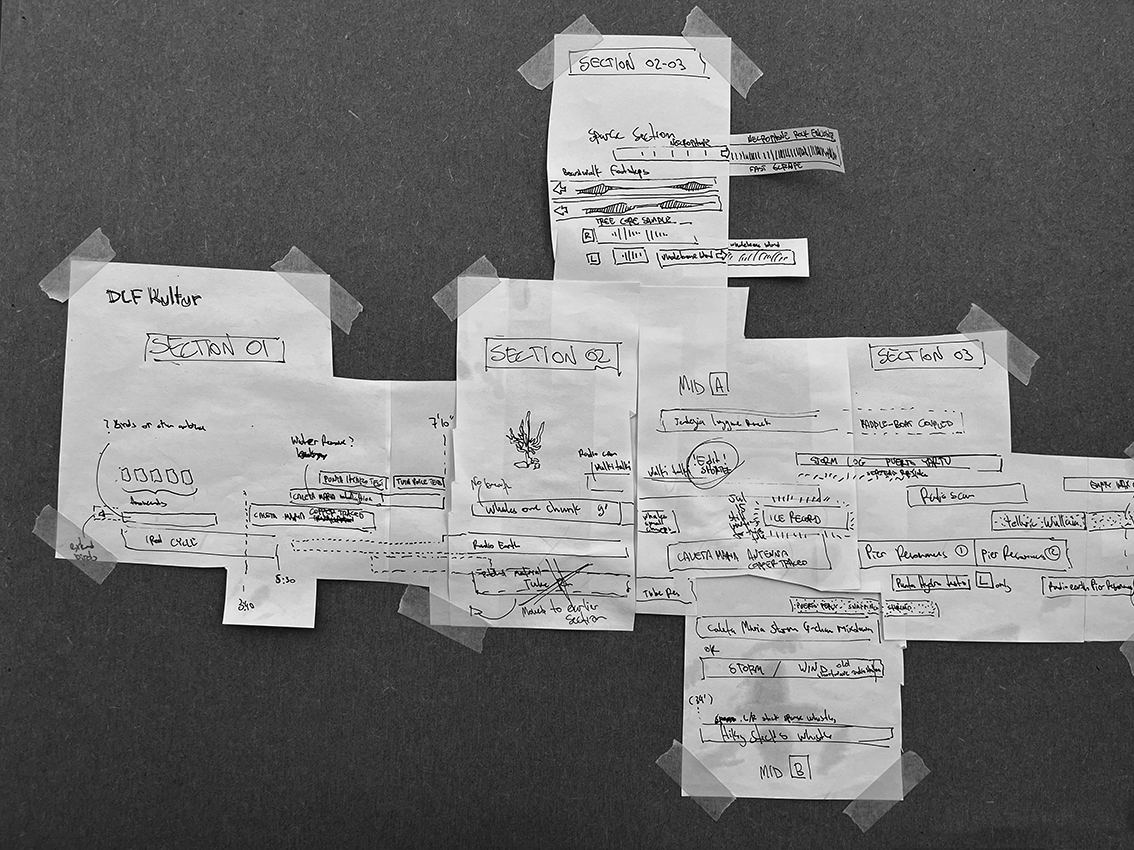
This audio montage consists of raw location recordings, with no added audio effects, tracing a research journey through Chile’s southernmost regions (Tierra del Fuego and Navarino Island) to the decommissioned radio station at Wulaia Bay.
Since 1967, Villa Ukika —founded as part of state relocation policies— has been the main Yagán settlement on Navarino Island, in the heart of the Fuegian archipelago. In its surroundings, the Ukika Municipal Park stands out as a true living archive of ancestral knowledge and history, thanks to the presence of at least 103 documented Culturally Modified Trees (CMTs) to date.
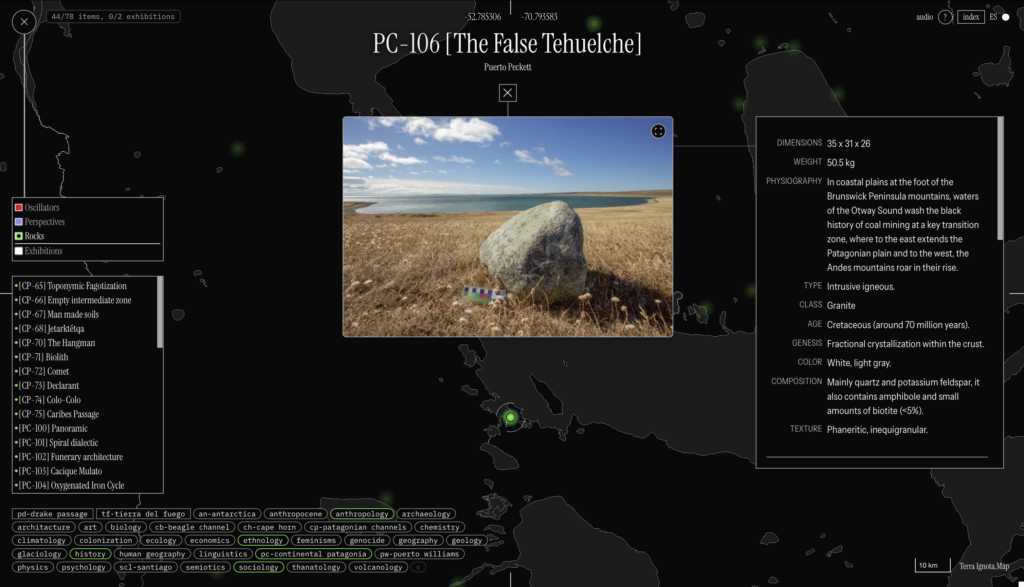
This application is designed to distribute the content stored in rocks, wind, and the gaze of a subjective observer along 1000 km of the fire-patagonian territory. The platform functions as a map that transcends the three Cartesian planes that delimit it, managing information that integrates spatial, temporal, and sensory dimensions. This is an improved version of the application created for the Terra Ignota exhibition at the Museum of Contemporary Art in 2022.
During my stay in Wulaia, I repeatedly imagine the scene of the first radio transmission. I playfully extrapolate that late 19th-century moment in the United Kingdom, where a sound generated in Bristol (England) resonated in Pernath (Wales): for the first time, I can hear something happening simultaneously but outside my immediate surroundings. It is not just an acoustic phenomenon; in some way, time and space are transformed. Something happening elsewhere, in real time, reaches my ears, challenging the physical boundaries that once defined my daily experience.
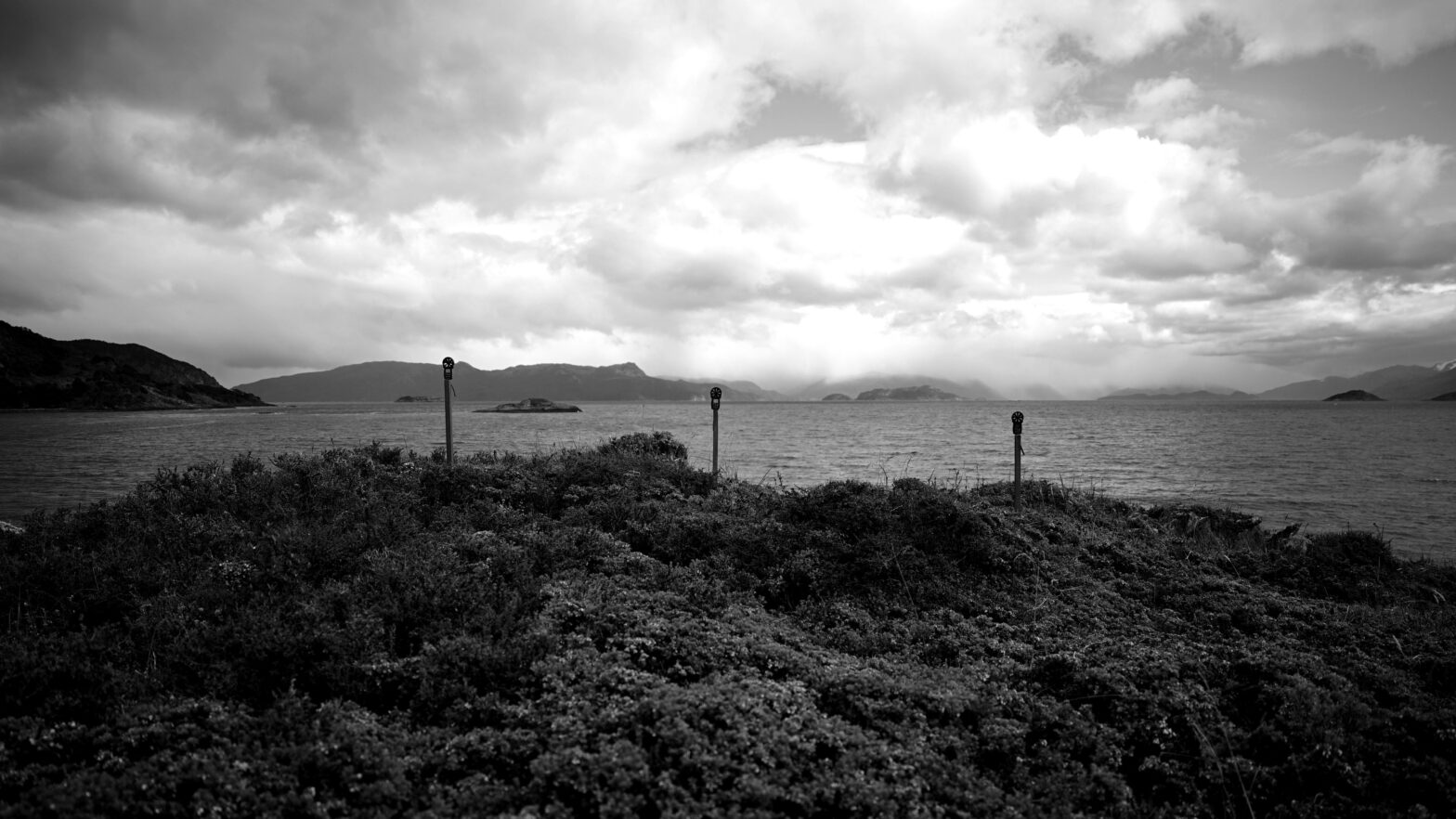
This research aims to get in tune with the intensities, turbulence and heterogeneity of the the masses of moving air based in Wulaia/Ponsonby. I would like to generate experiences that allow us, in a sensitive way and with rudimentary technologies, to tune in to (1) the complexity of chaotic movements that make up the winds (2) and how this invisible activity shapes not only the physiognomy of the landscape but also the biological activity that inhabits its surface.