> projects / 2024 / contact zones / conference / exhibition / participants
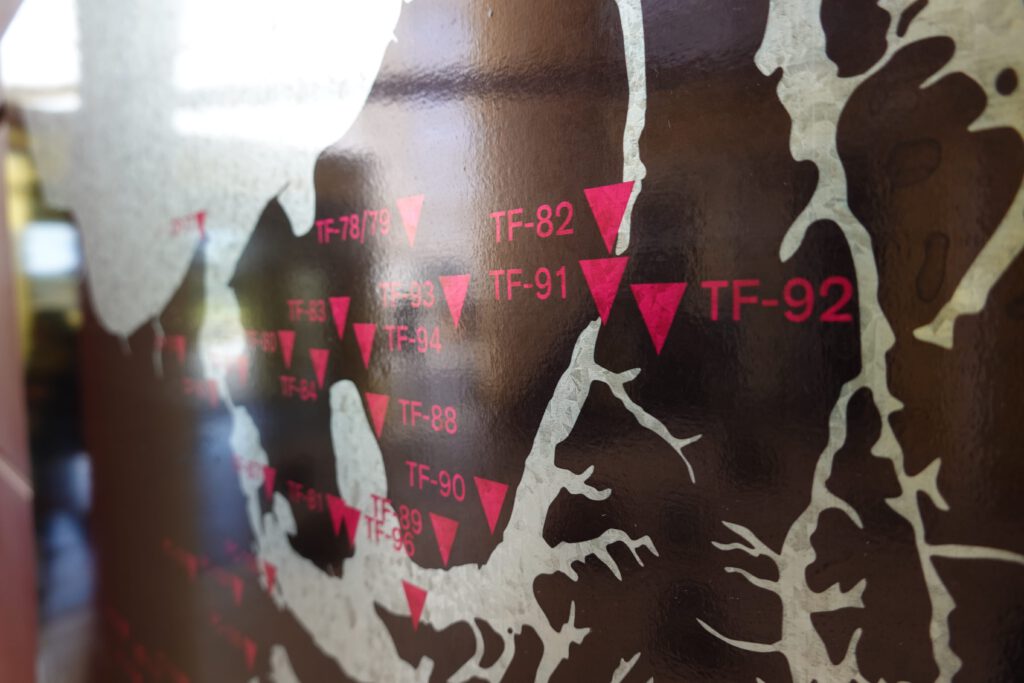
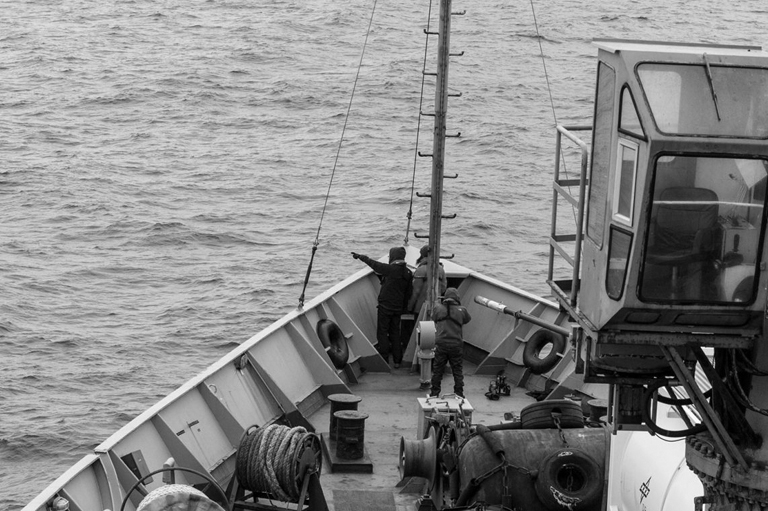
The exhibition at UMAG documents results and different methodologies developed around the discovery of the Intercultural Contact Zone (ICZ) in the Yendegaia National Park. The expedition(s) carried out by the Terra Ignota team (2021 and 2023) confirmed the existence of a transit zone between the Beagle Channel (Yendegaia Bay) and Almirantazgo Sound (Bahía Blanca) through the Darwin Range, suggesting a point of contact between three ancestral ethnic groups (Selk’nam, Kawésqar and Yagán).
List of works in the exhibition:
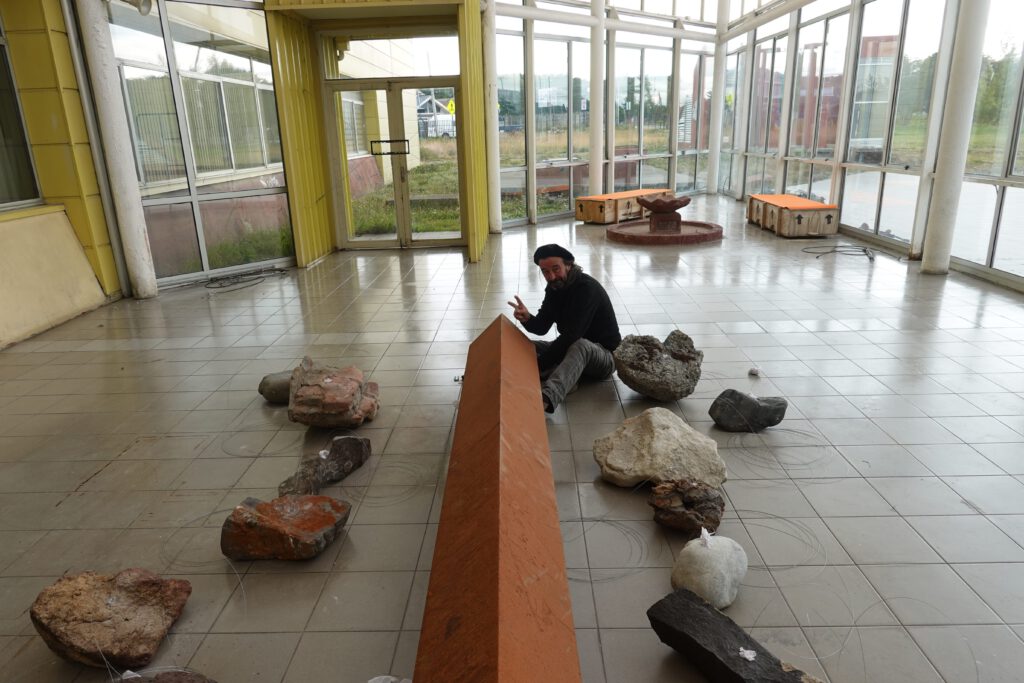
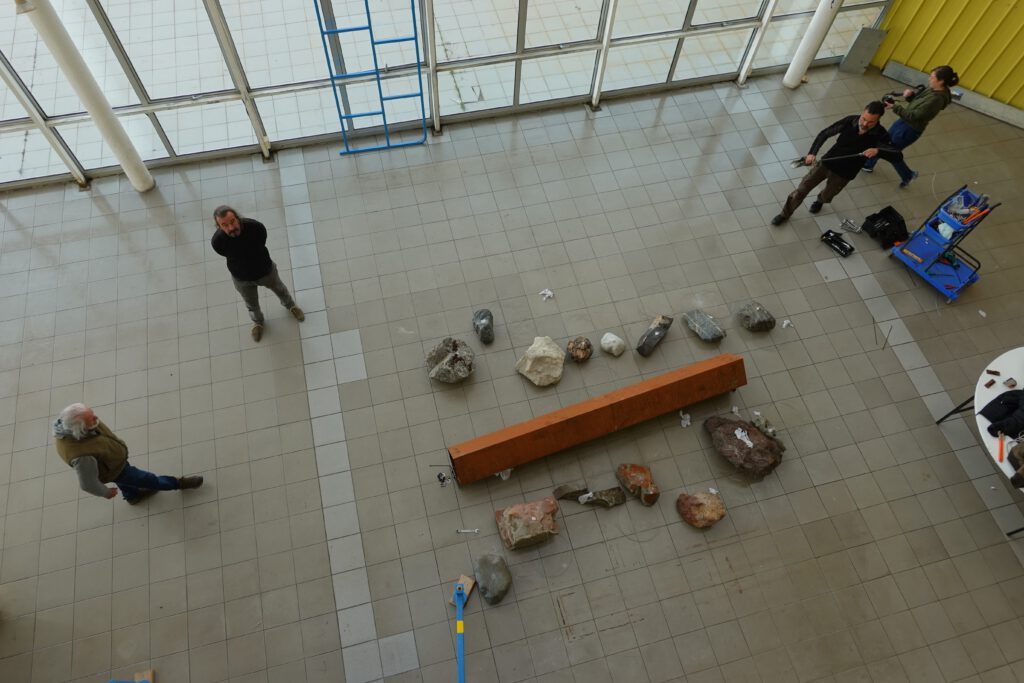
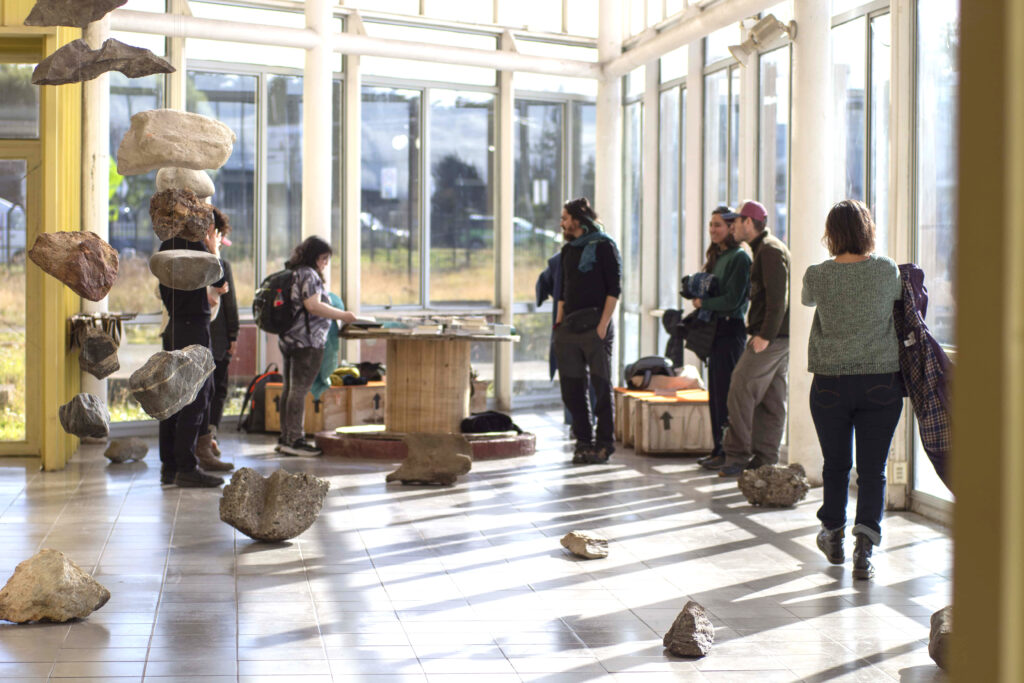
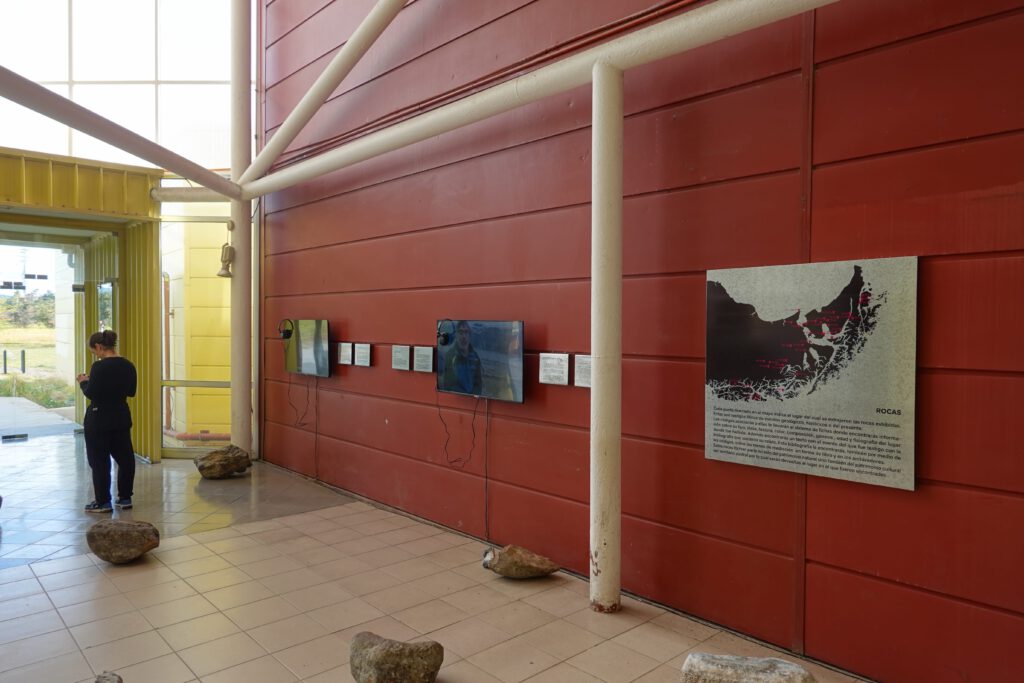
Rocas by Nicolás Spencer
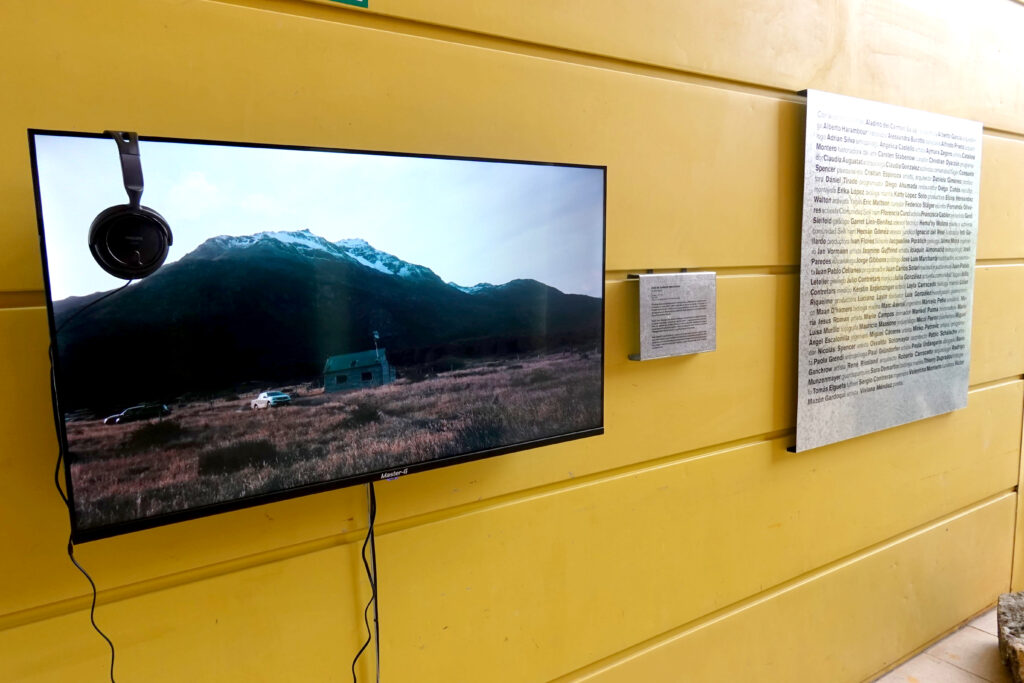
and text contributions by Alfredo Prieto, Federico Stager, Gerd Sielfeld, Juan Pablo Letelier, Juan Pablo Letelier, Catalina Montero, Alberto García, Joali Paredes Mariño, Jacqueline Puratich, Mauricio Massone, Jorge Gibbons, Alberto Harambour Ross, René Rissland, Viviana Mendez, Maria Luisa Murillo, Carsten Stabenow, Alonso Marchante, Hema’ny Molina, Consuelo Spencer, Víctor Mazón Gardoqui, Paola Grendi, Raviv Ganchrow, Viviana Mendez, Julia Calderón, Marisol Palma
year: 2015-2022
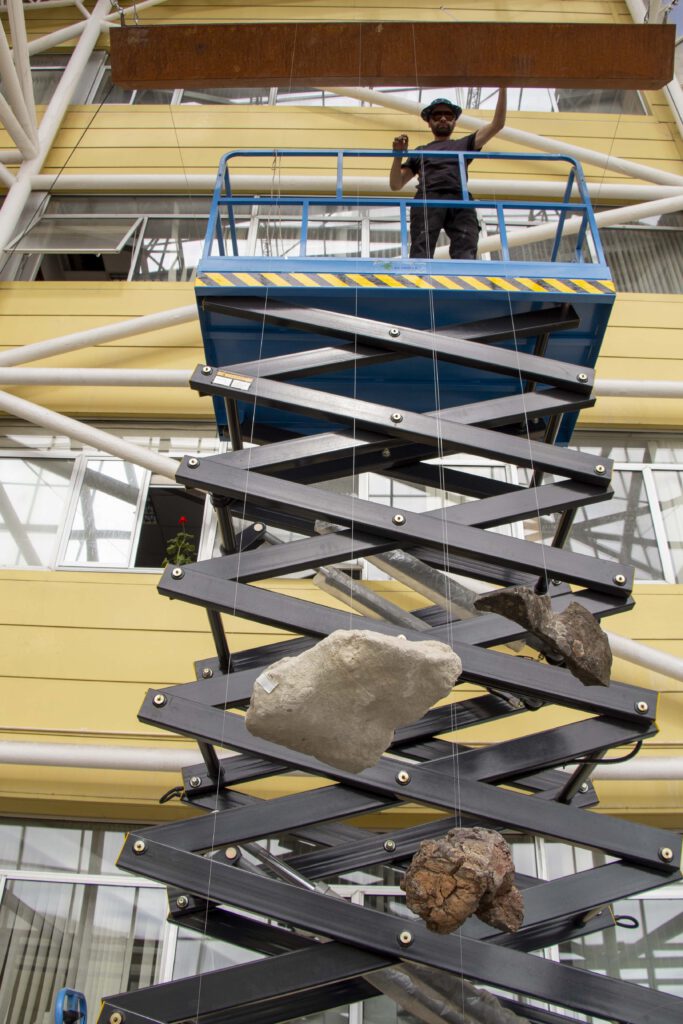
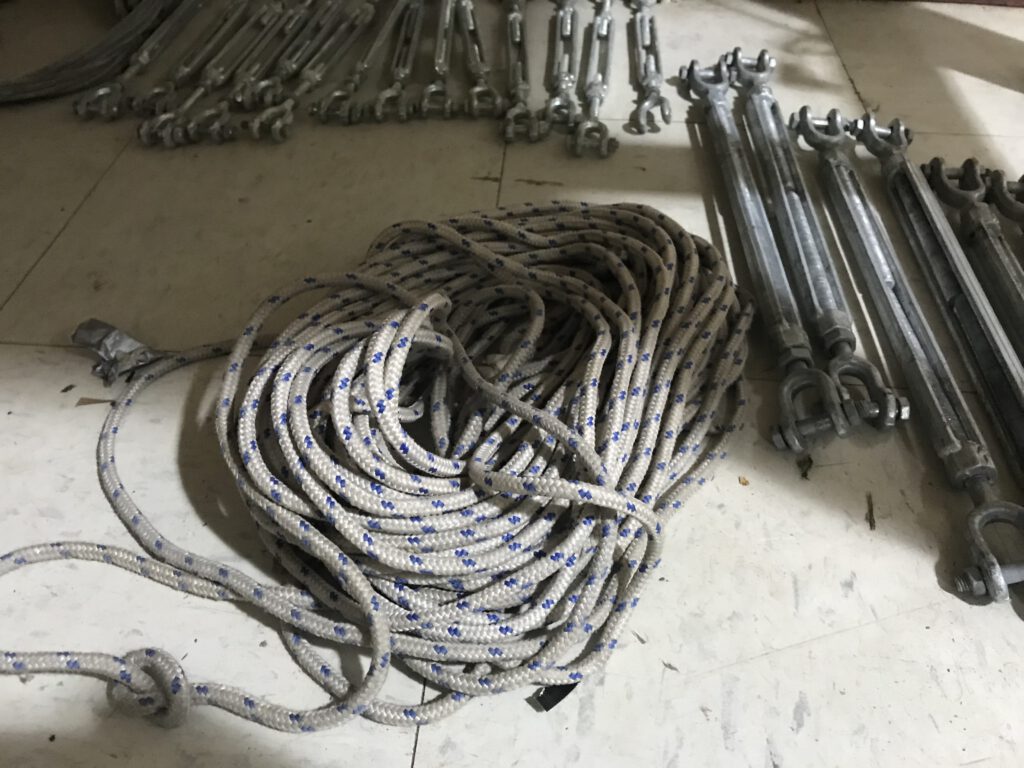
stones, piano string, iron, tensioners
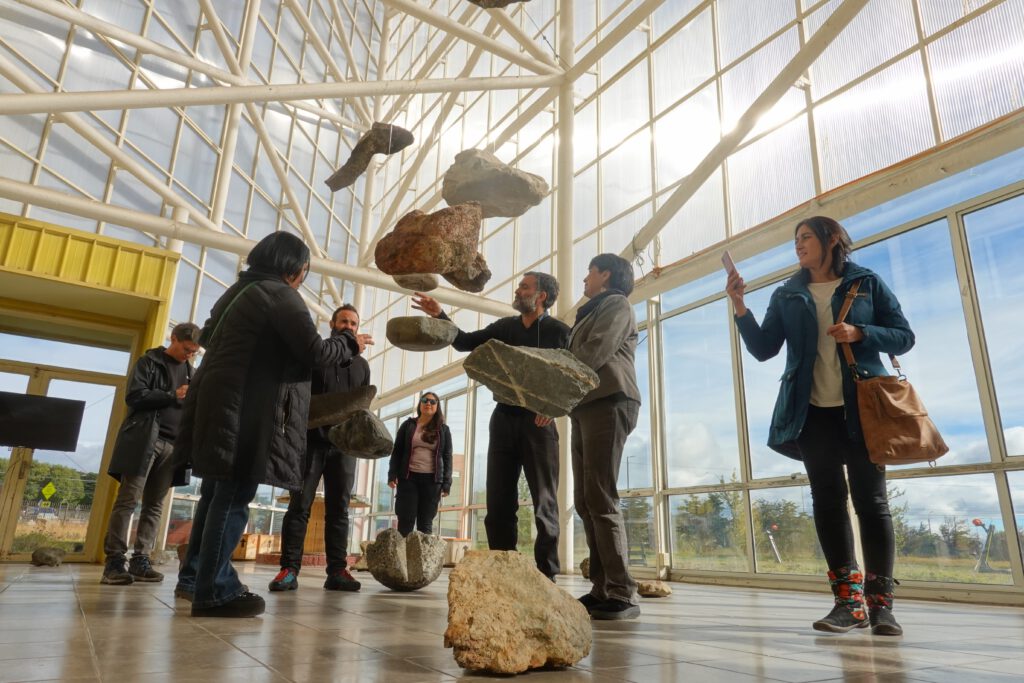
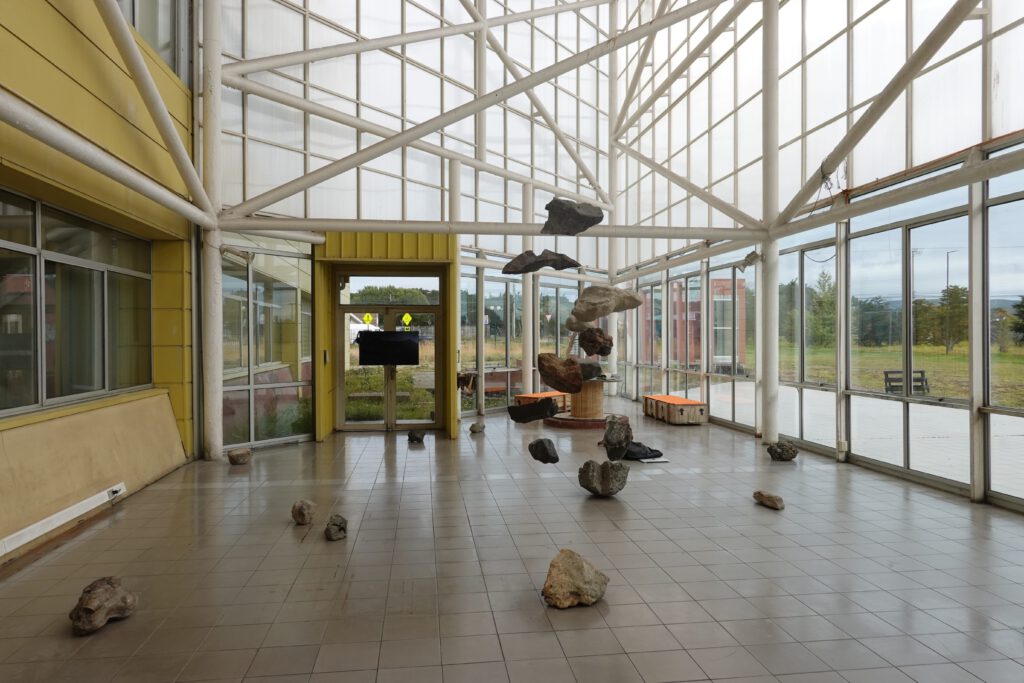
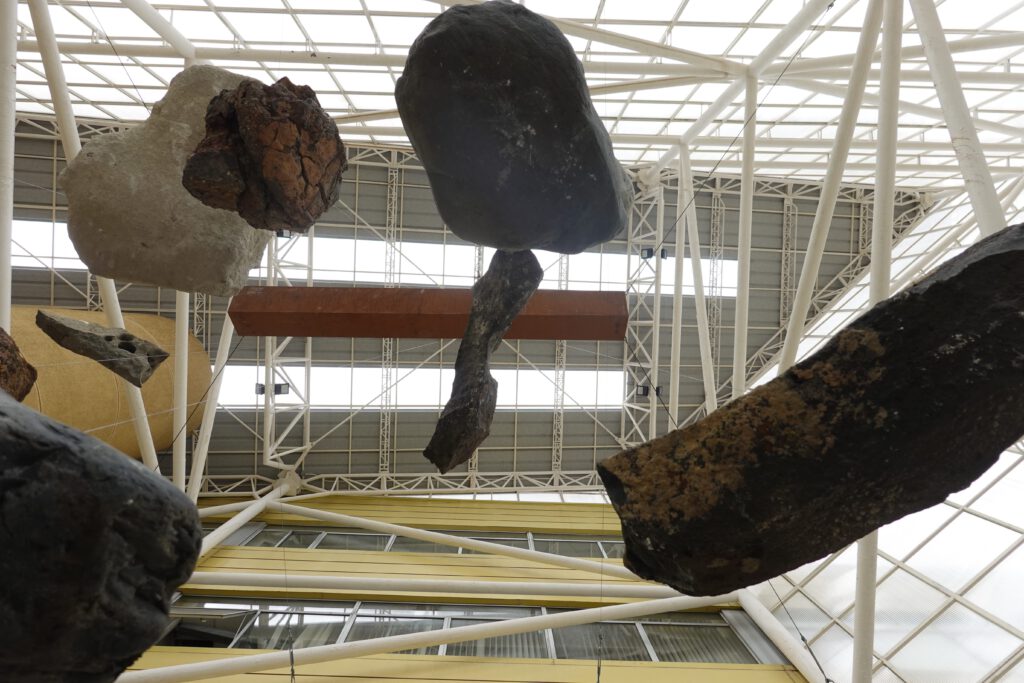
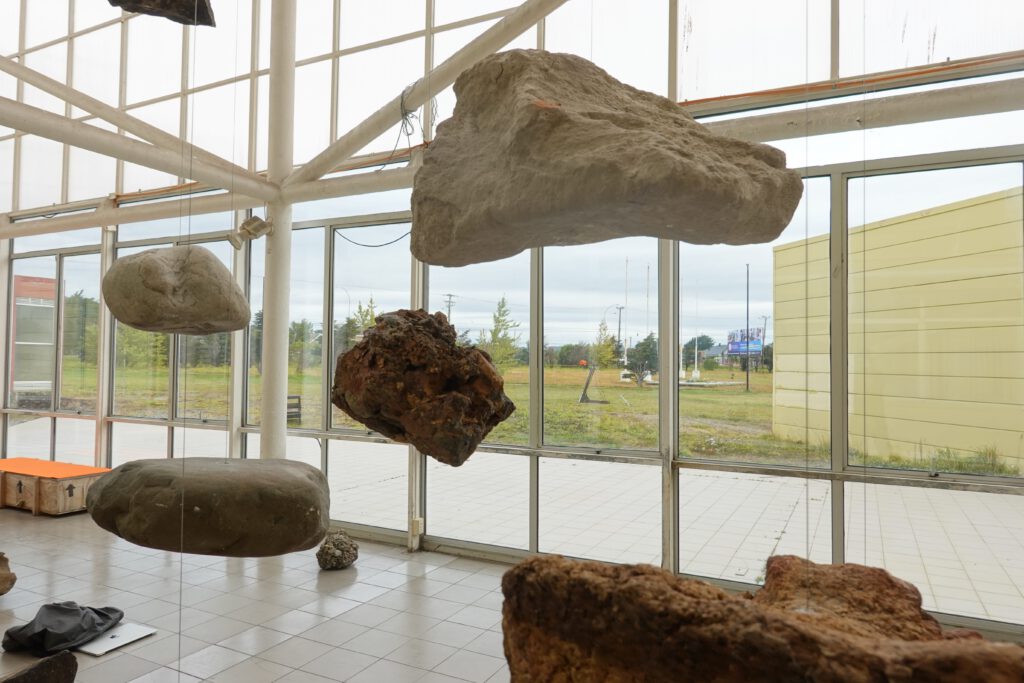
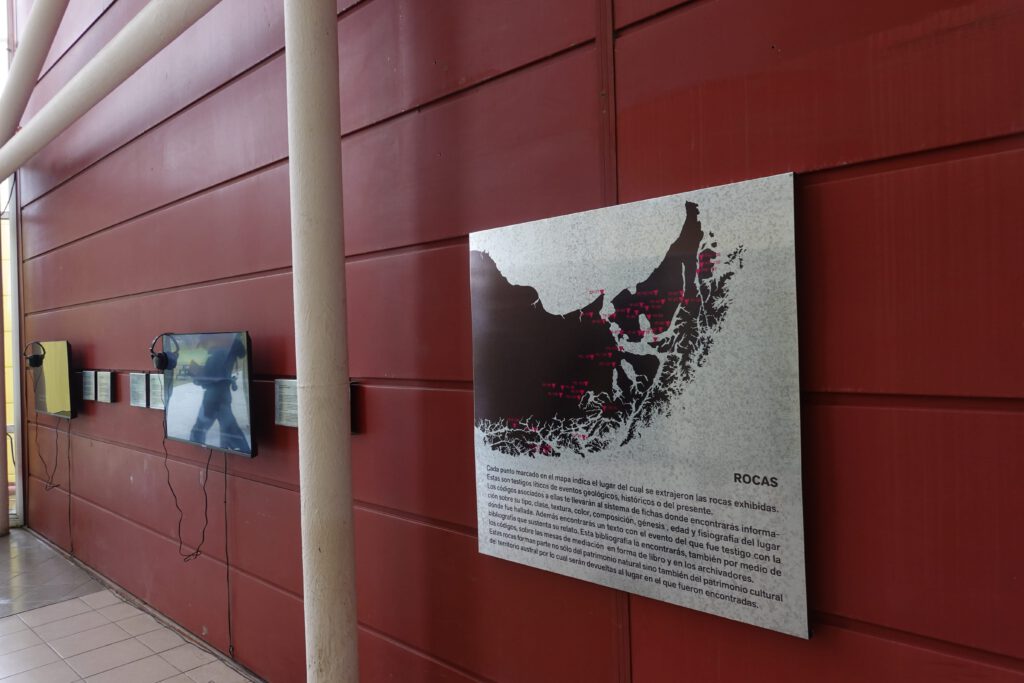
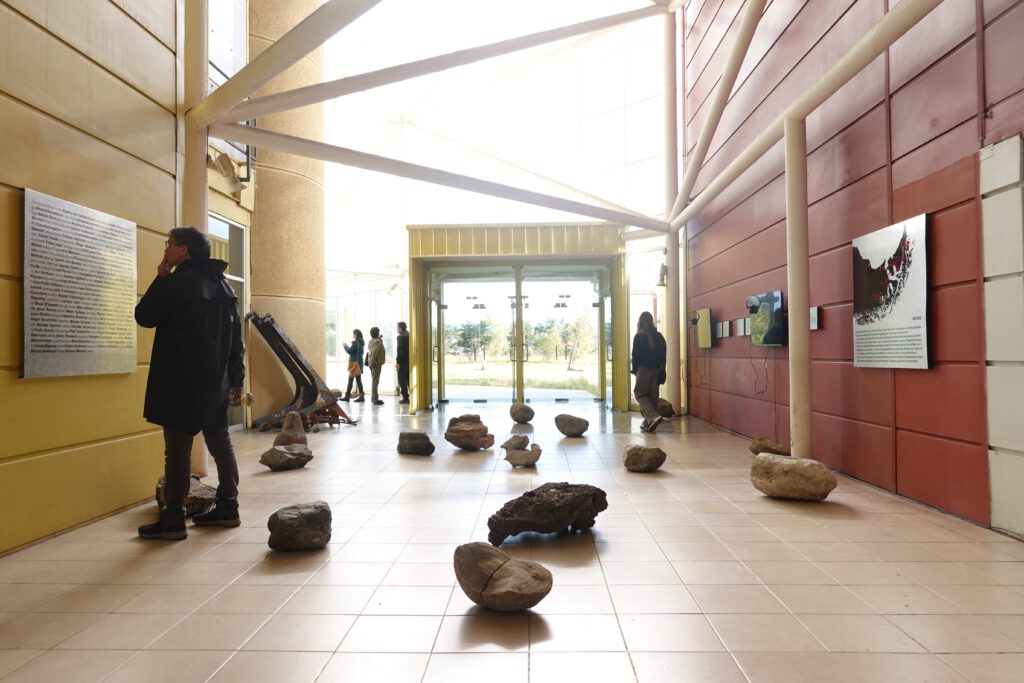
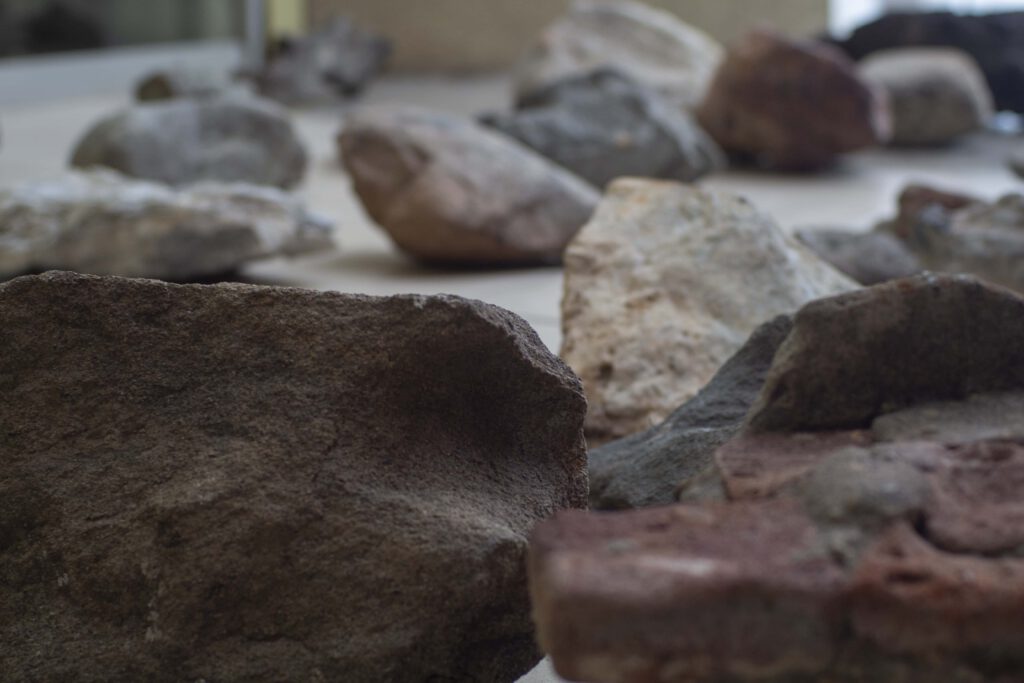
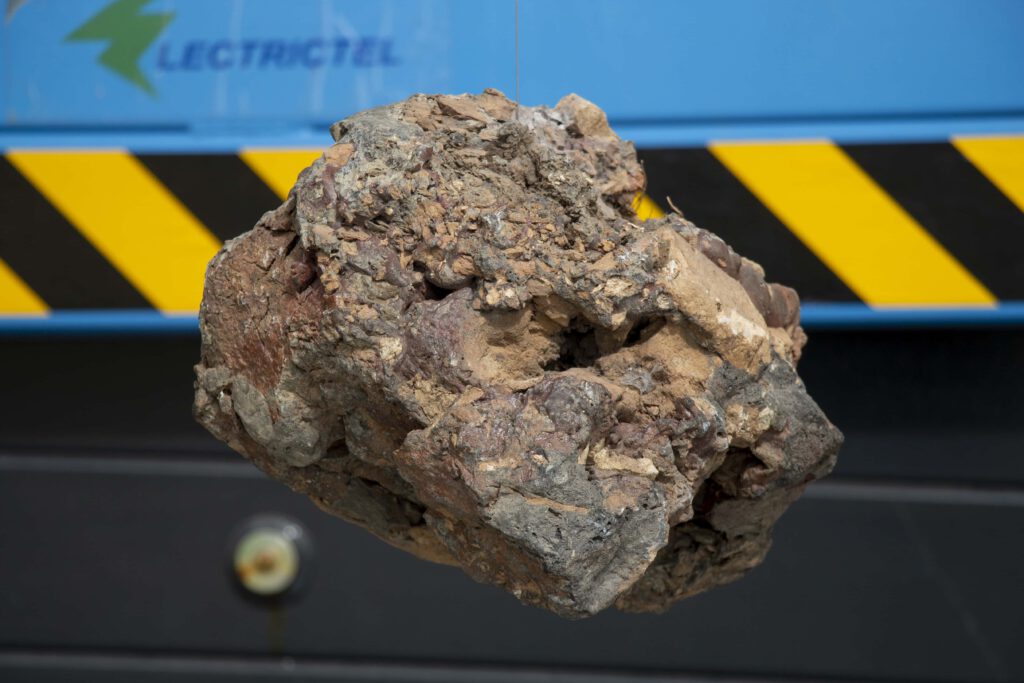
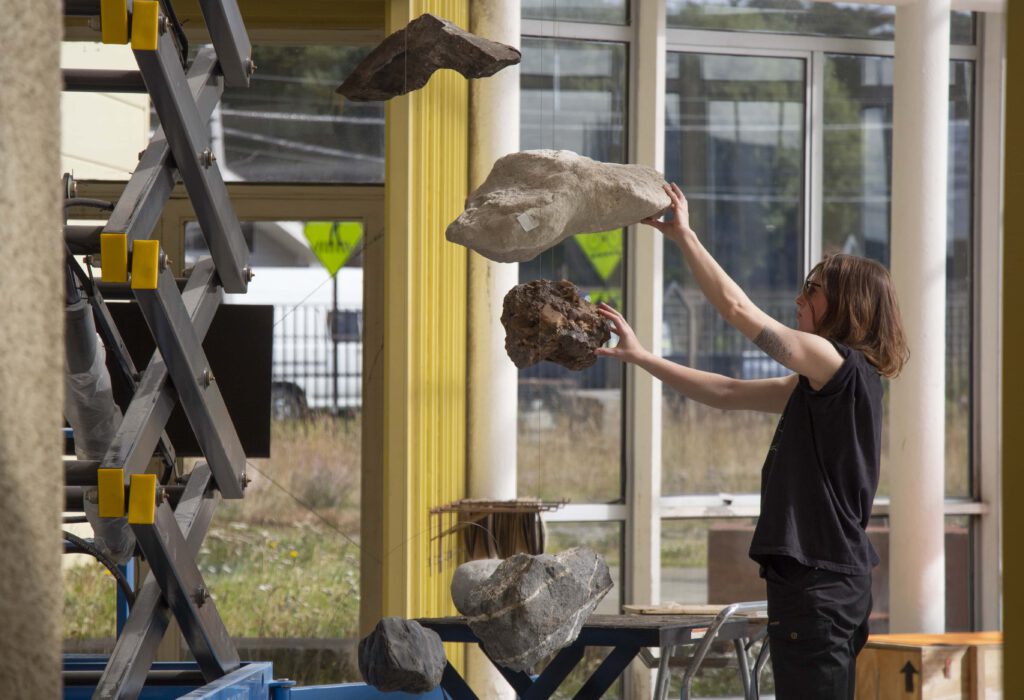
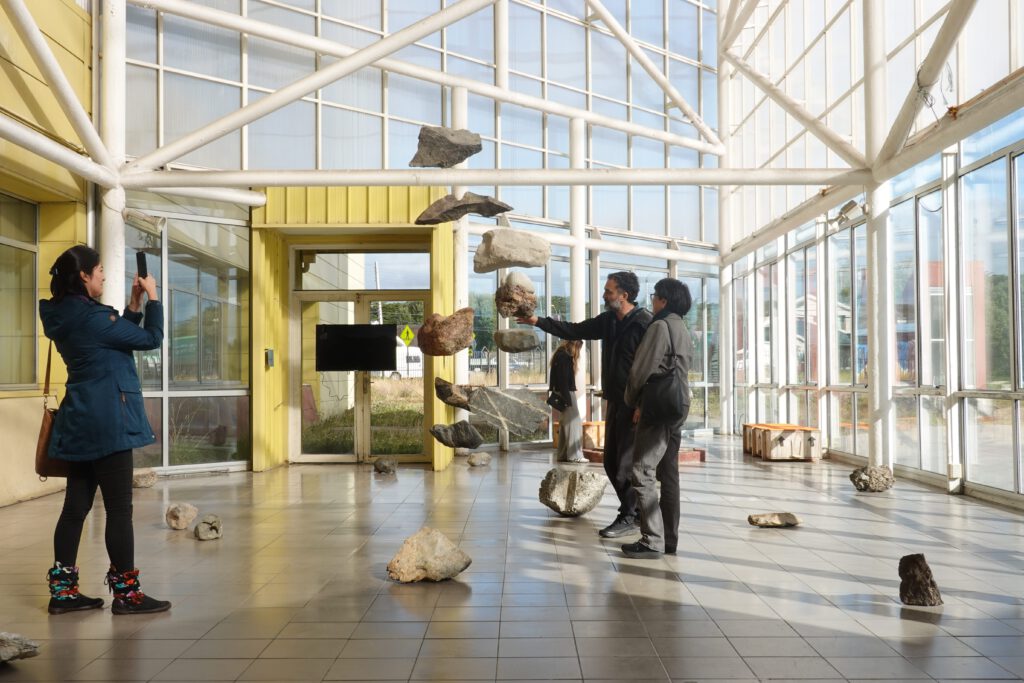
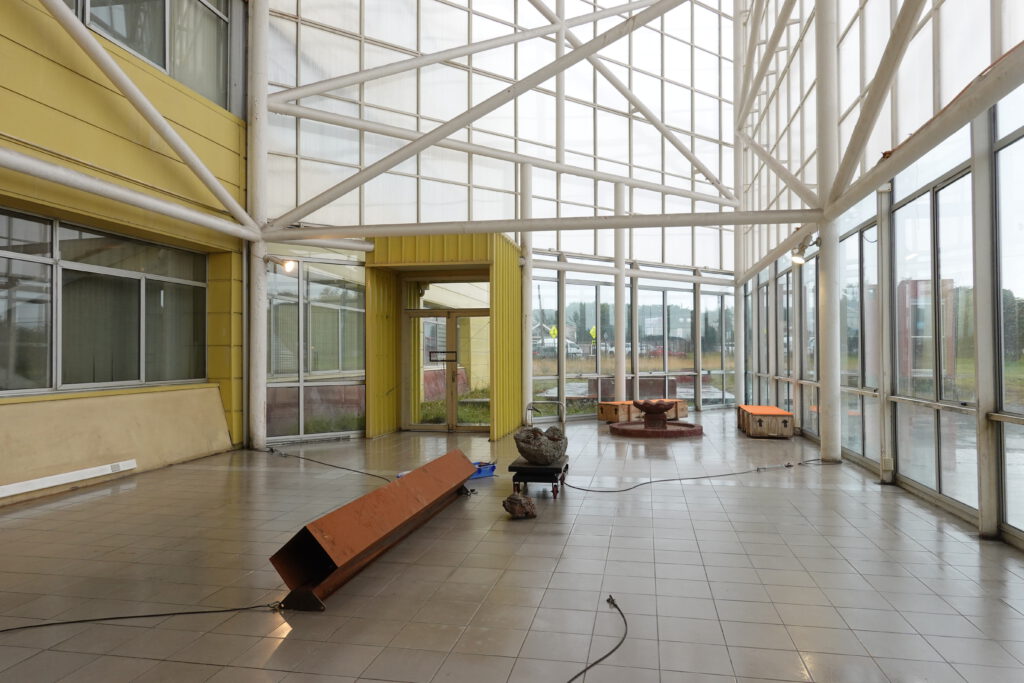
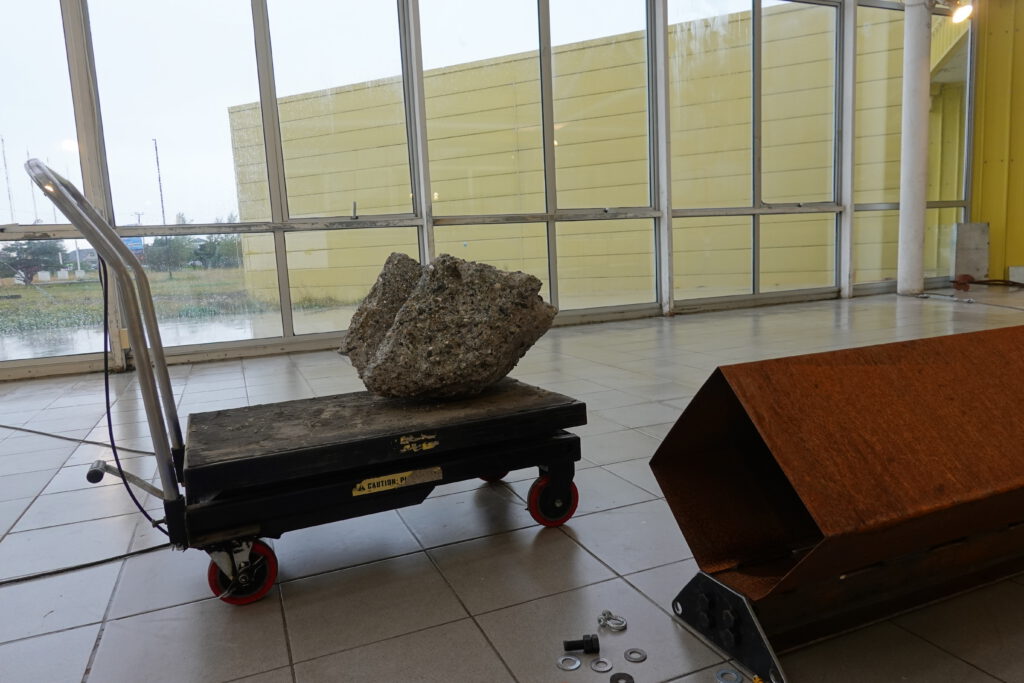
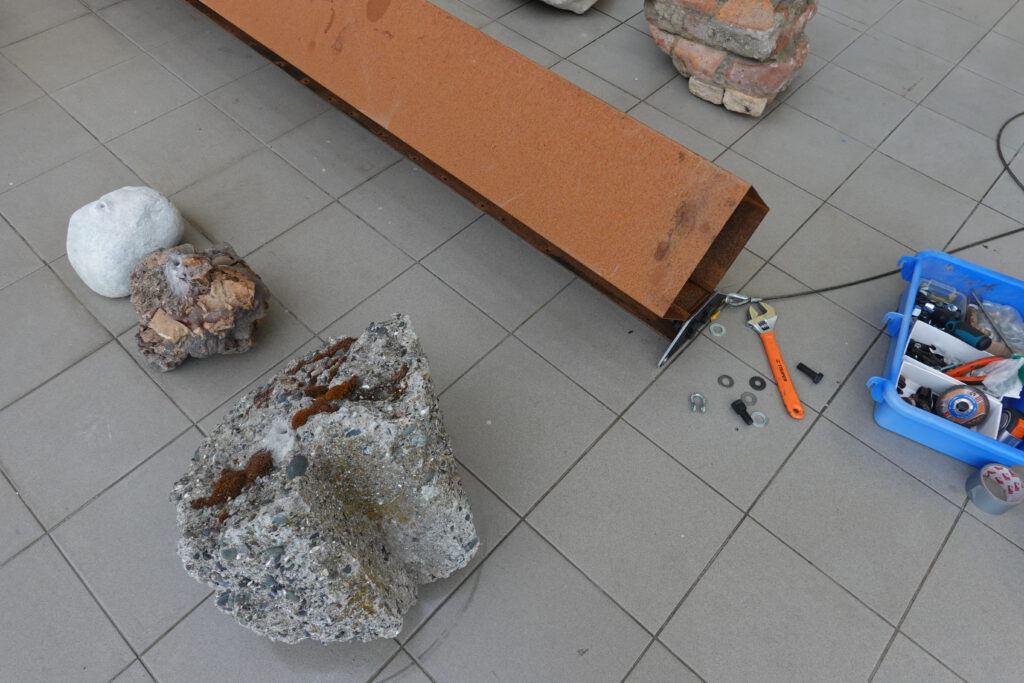
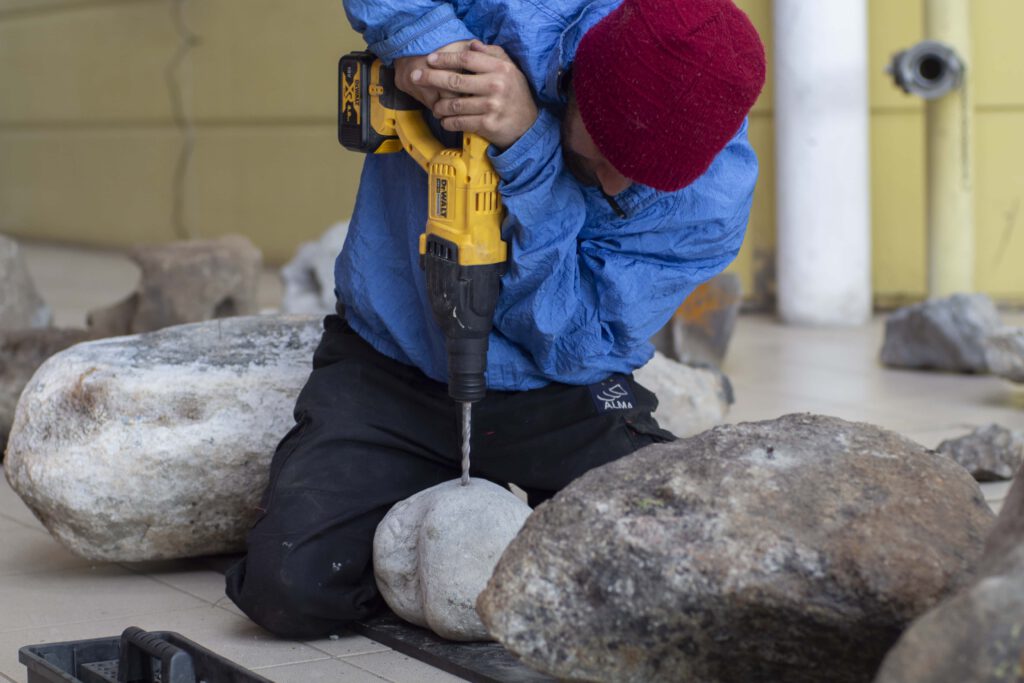
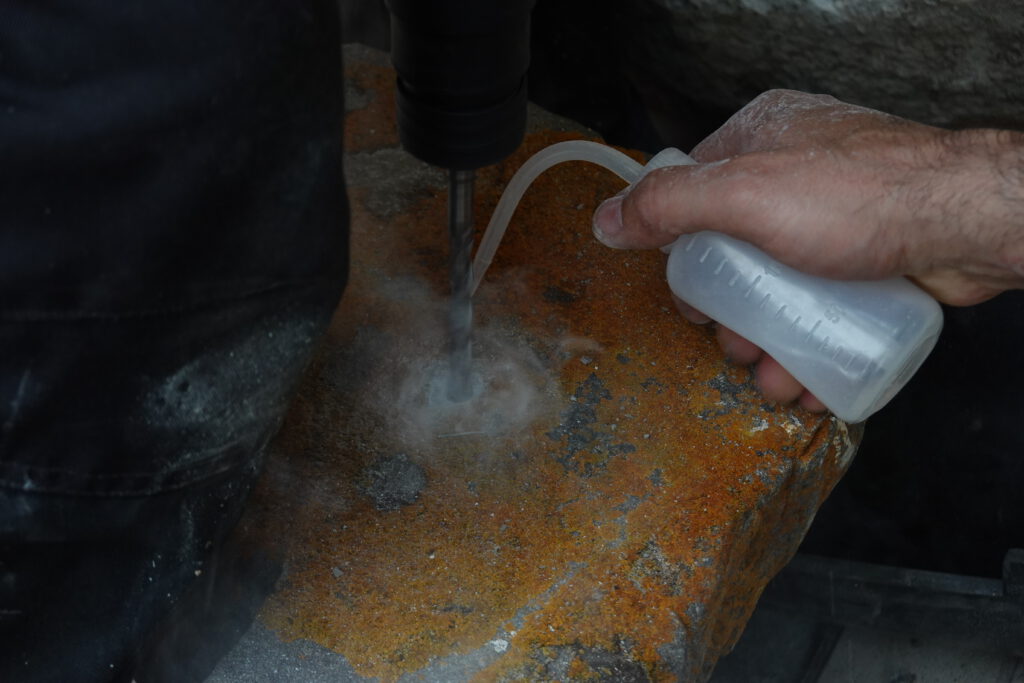
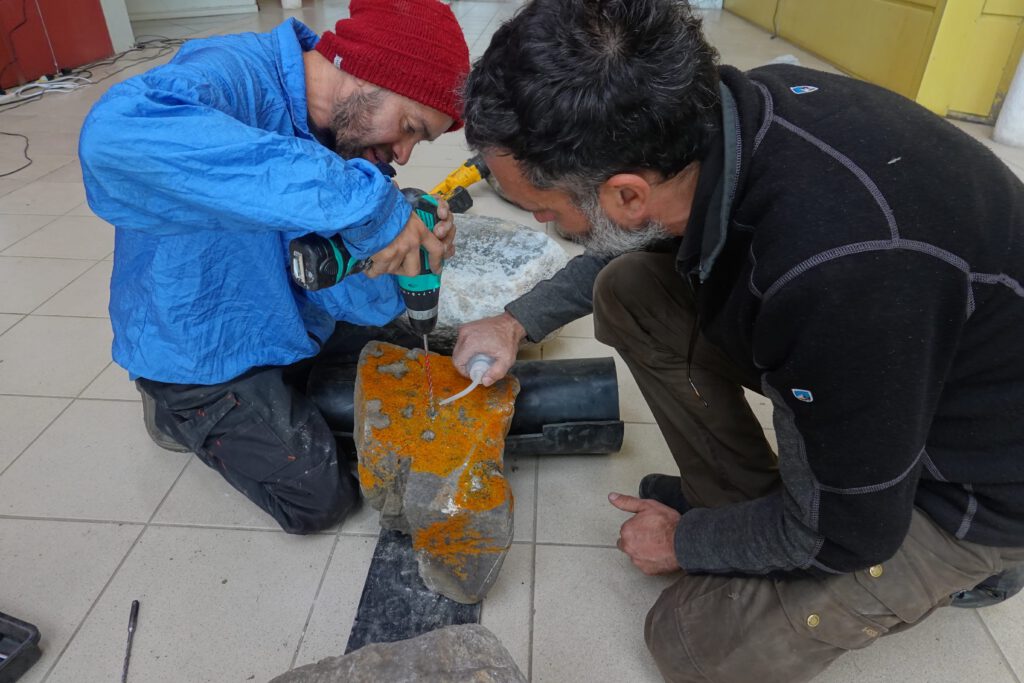
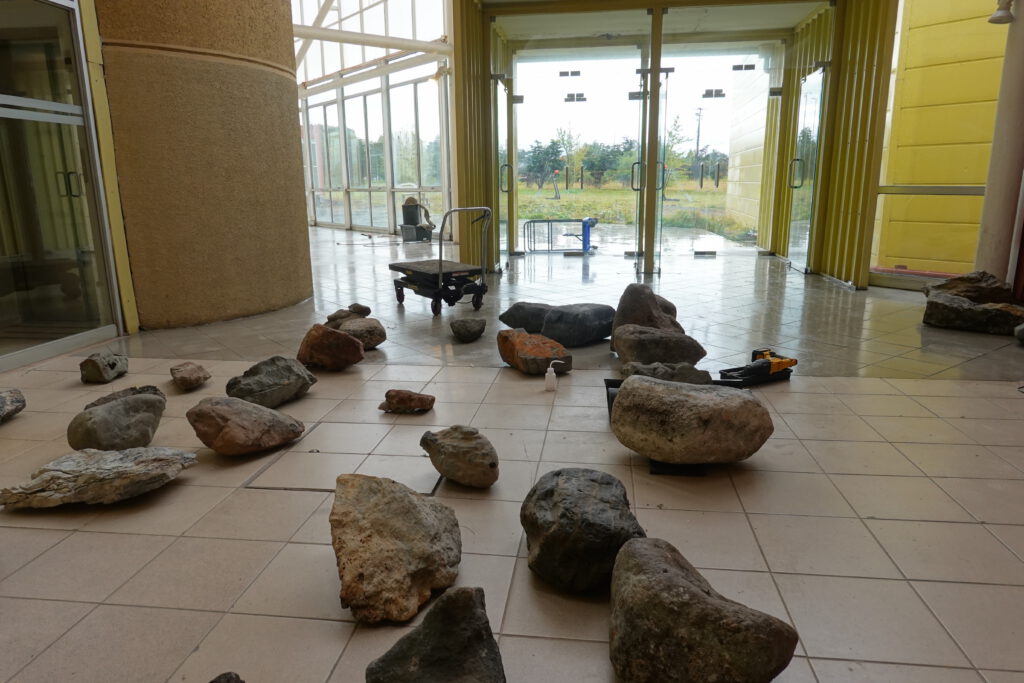
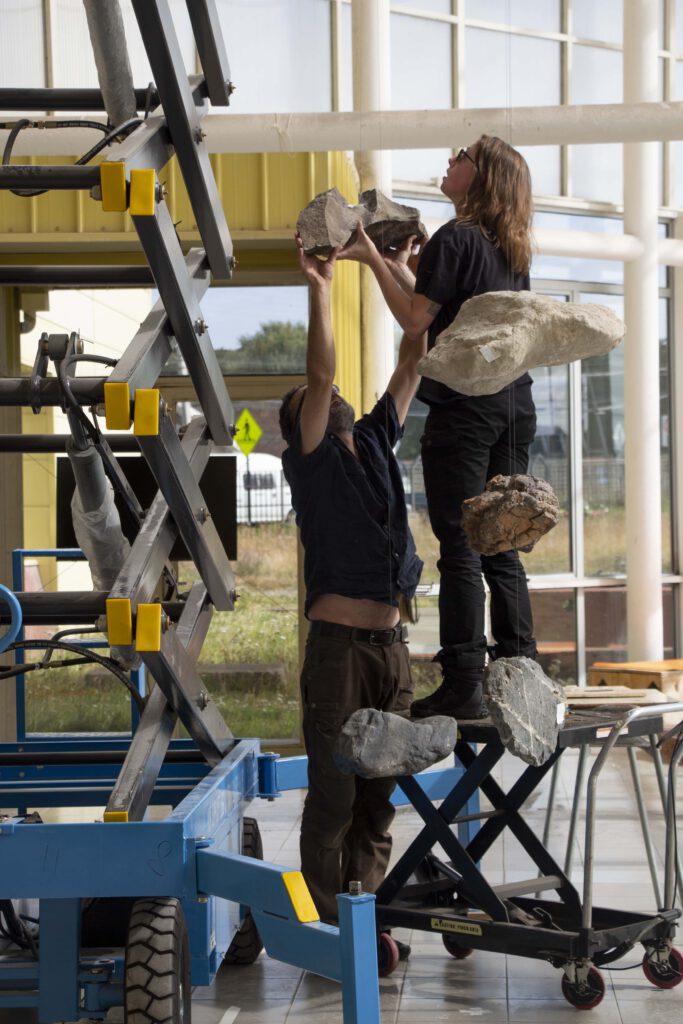
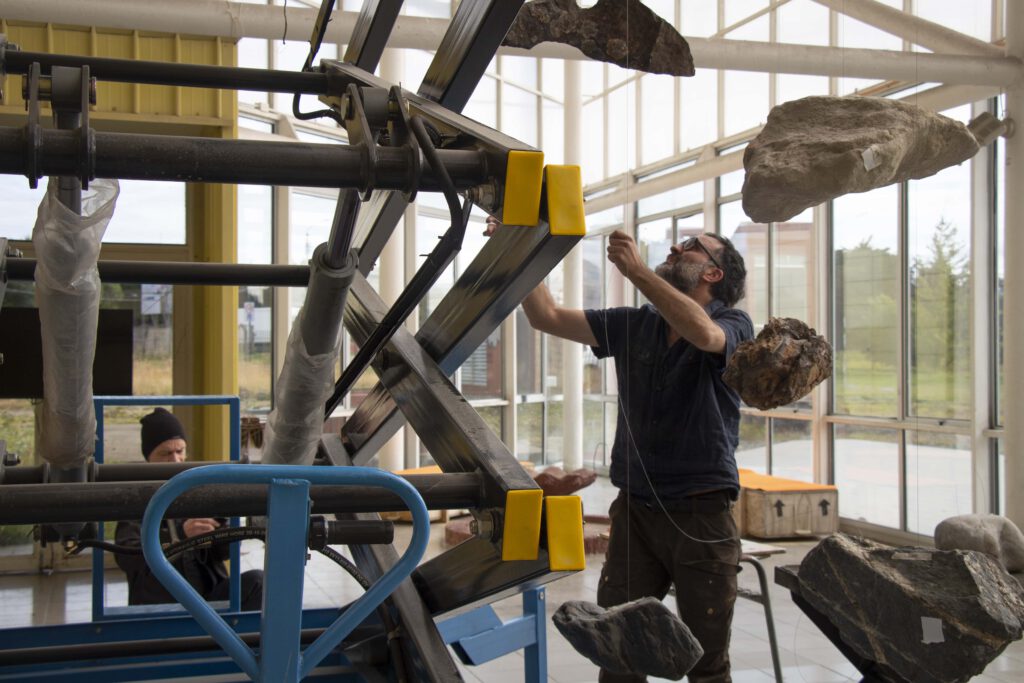
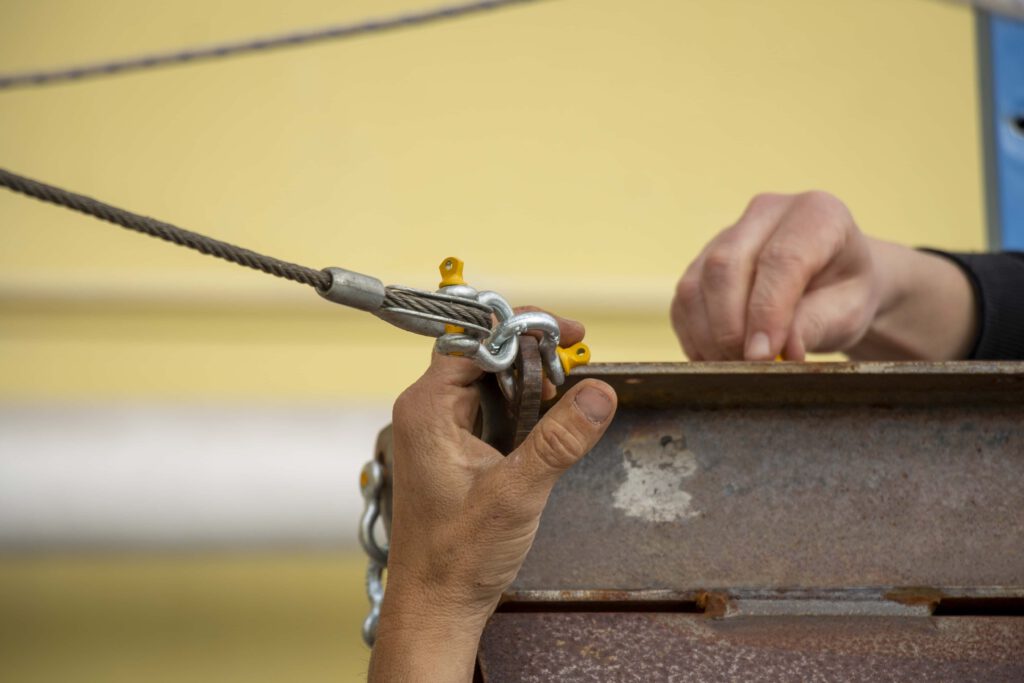
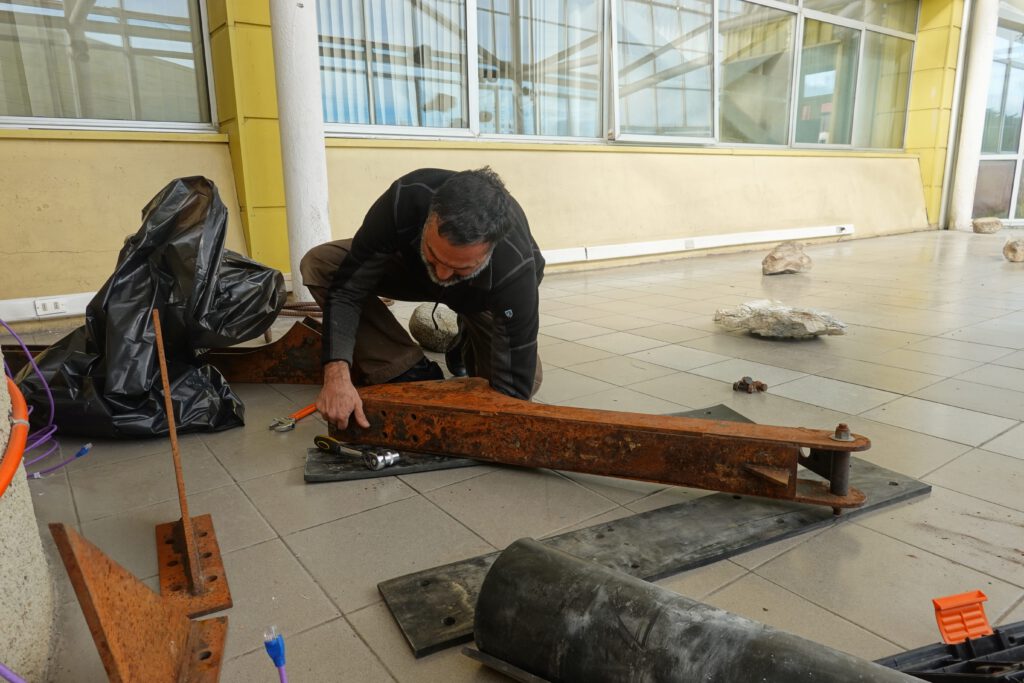
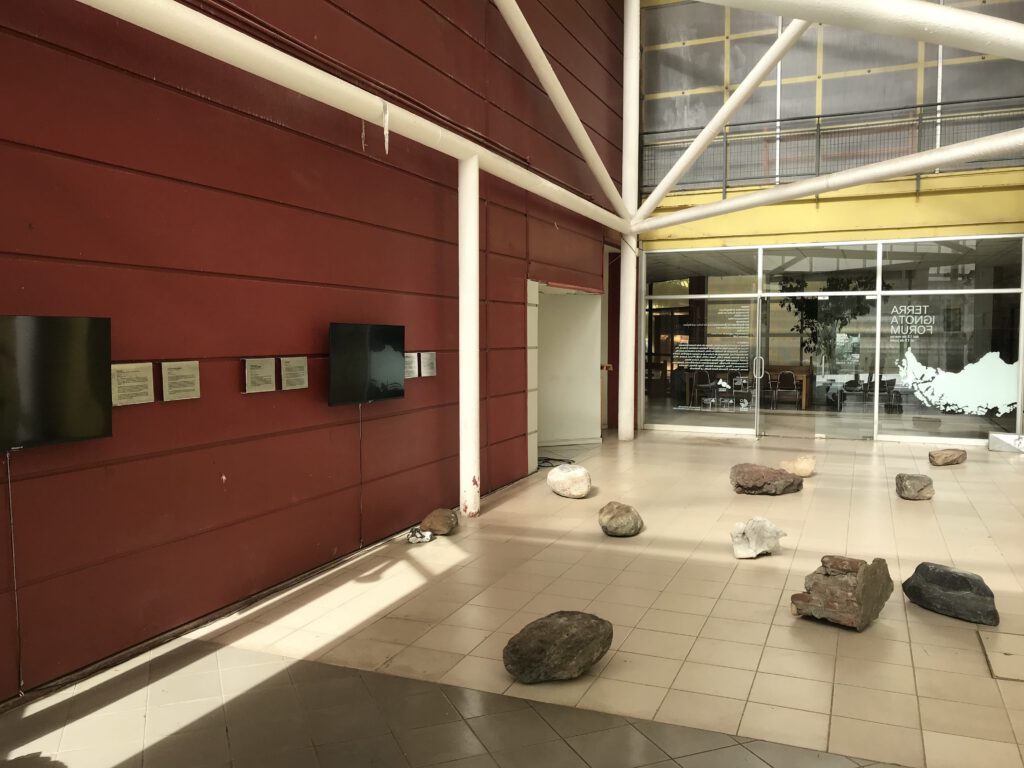
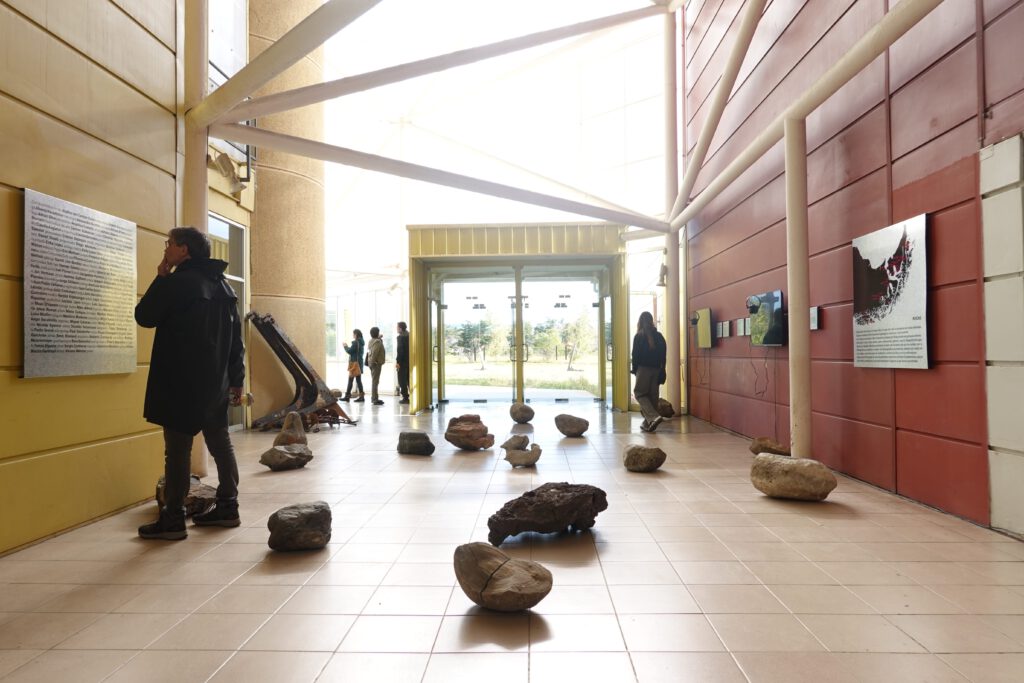
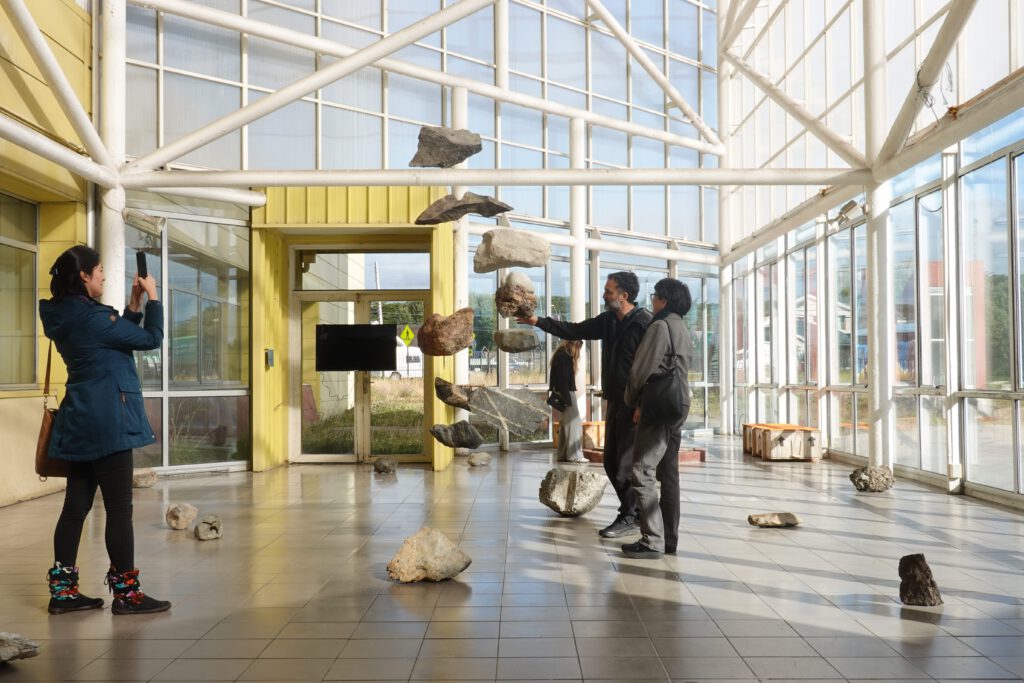
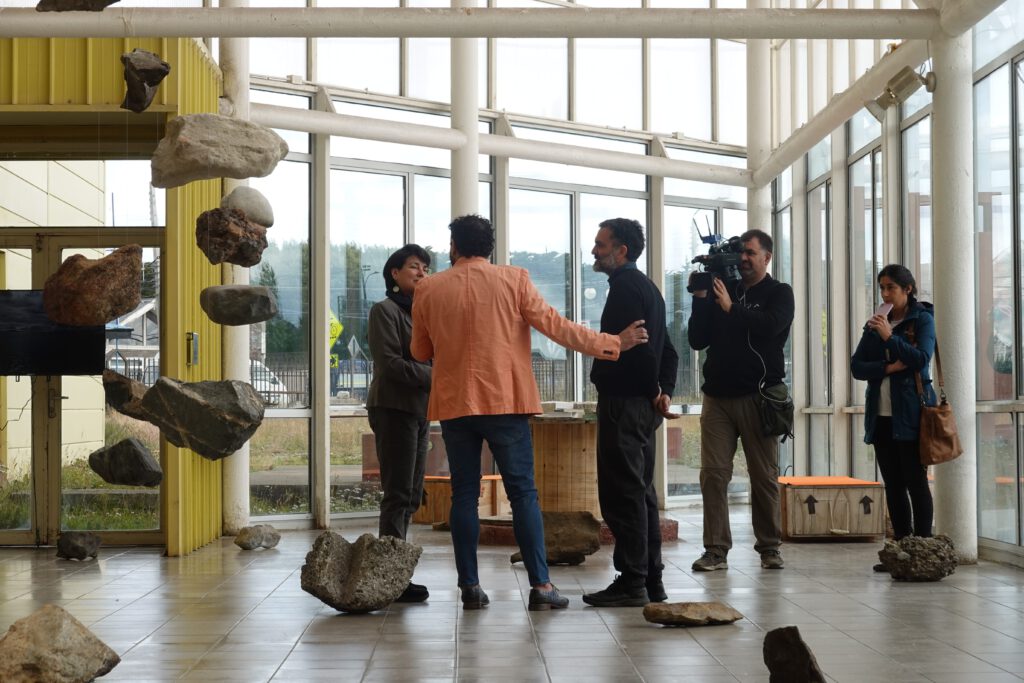
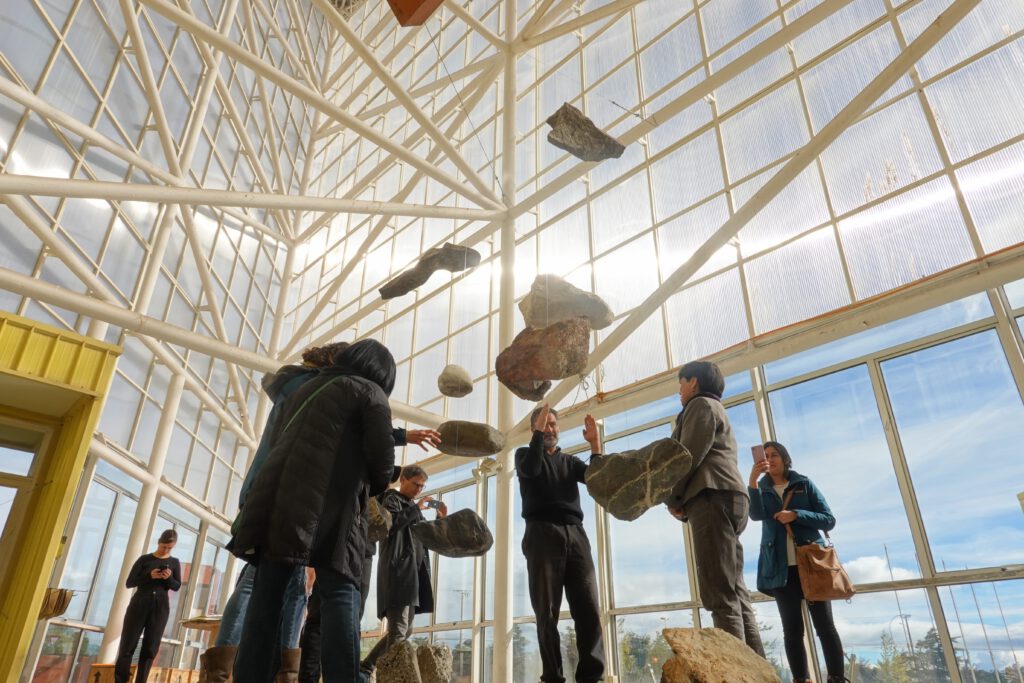
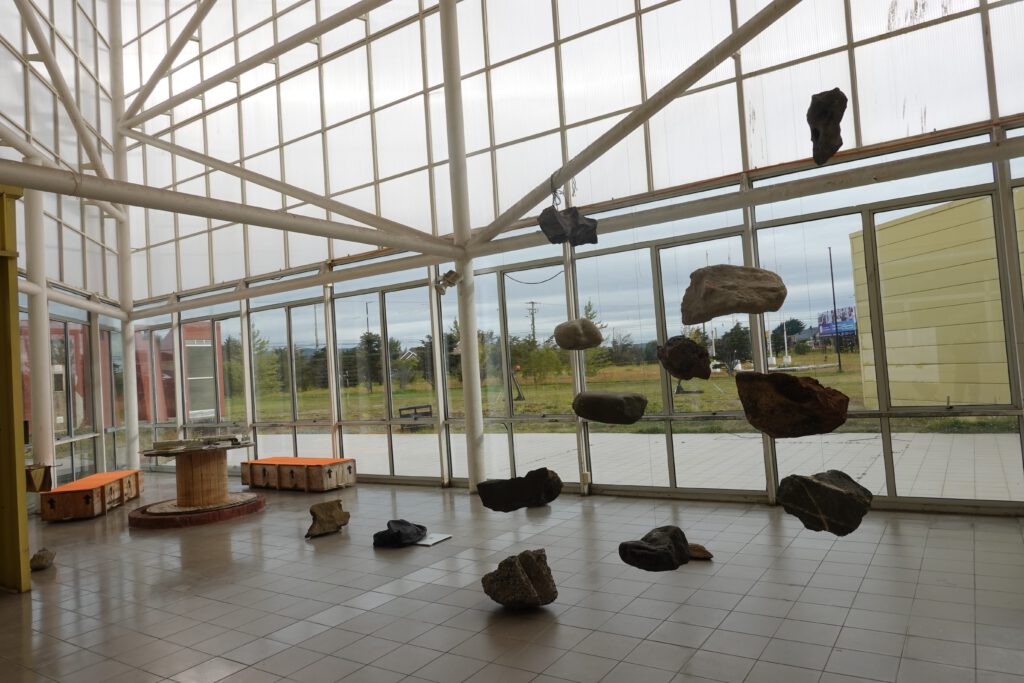
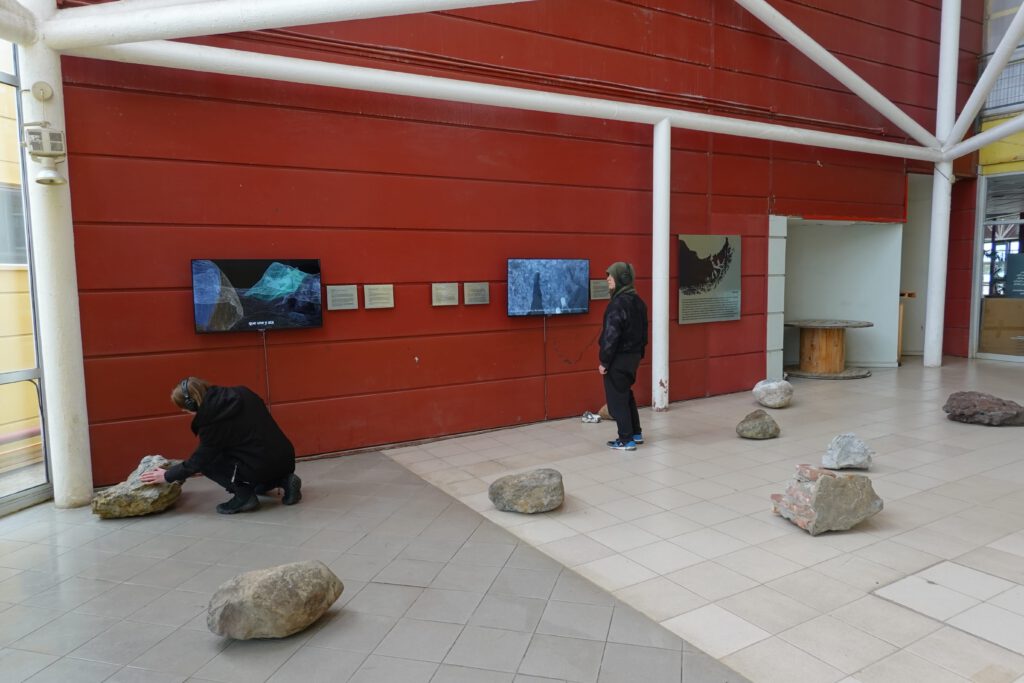
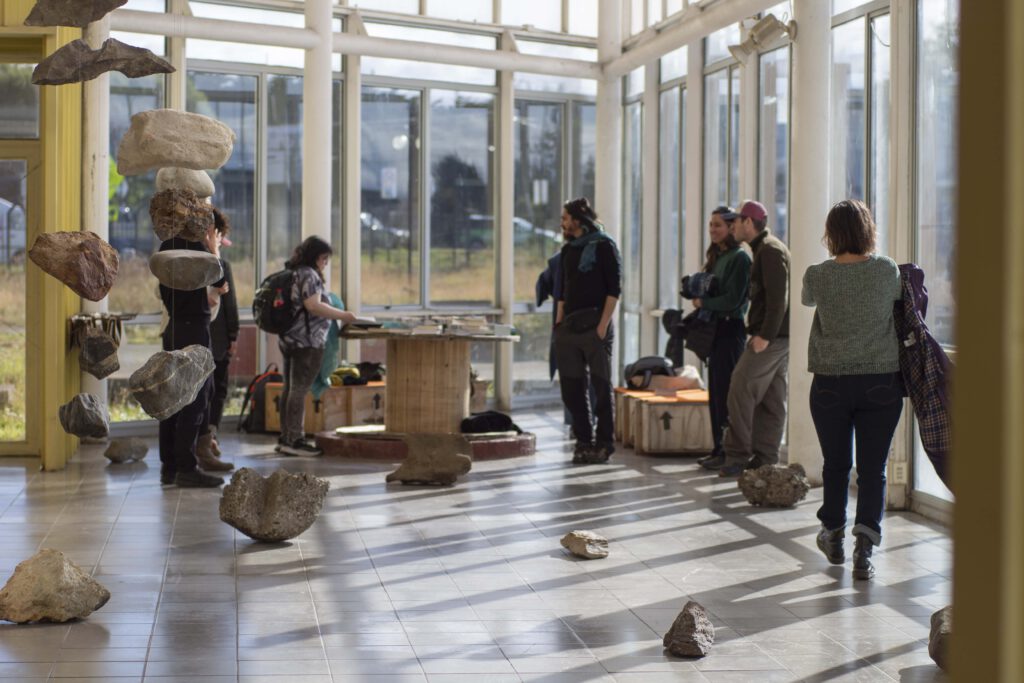
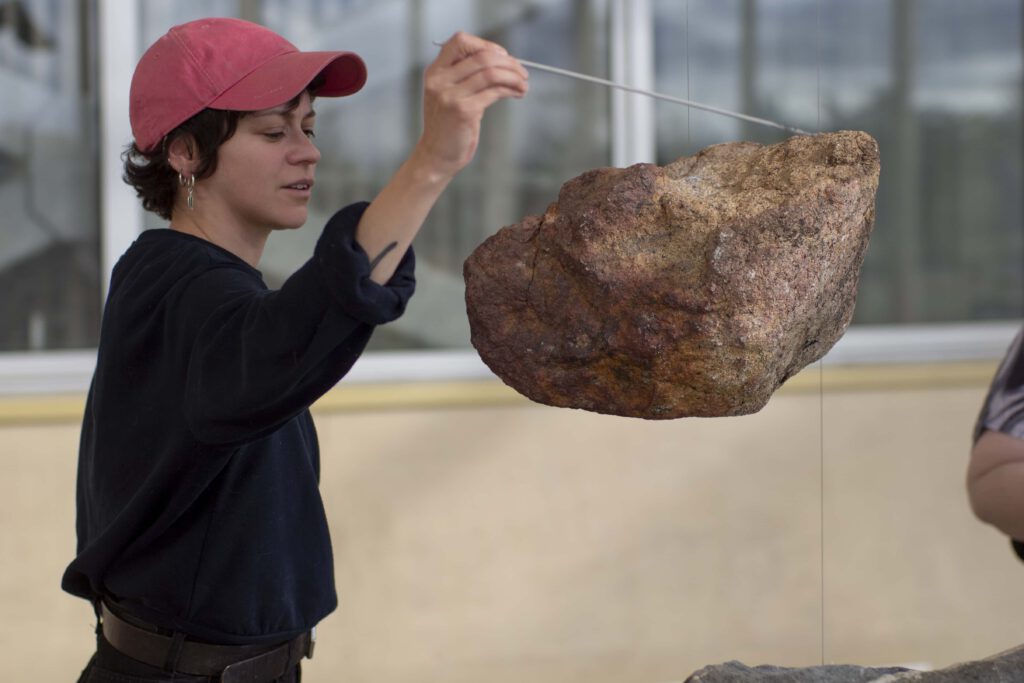
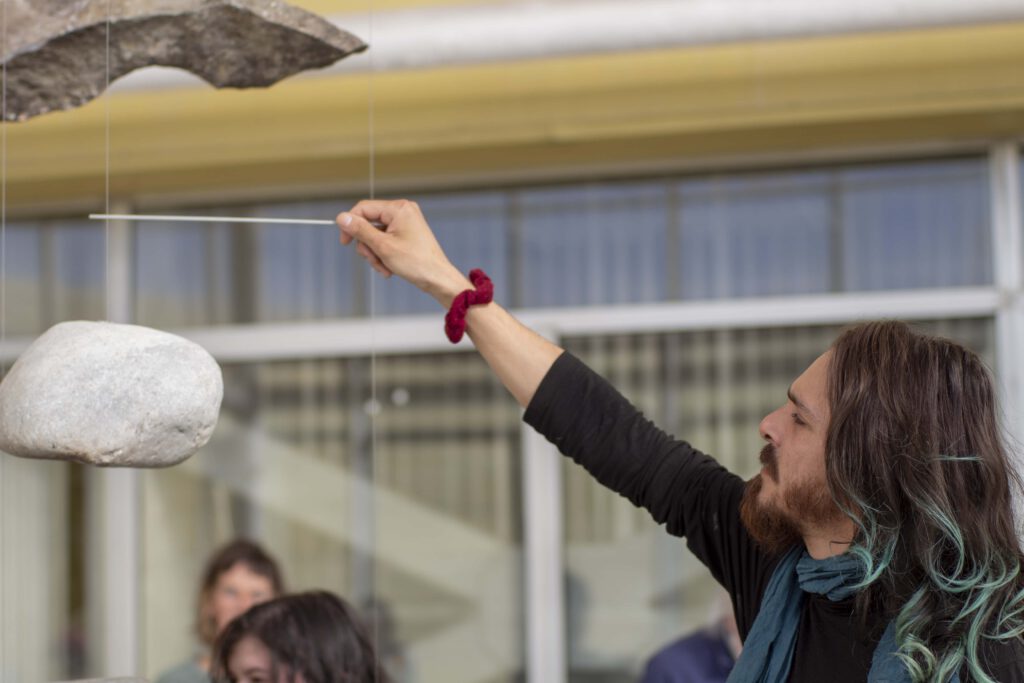
Rocas is a sound installation made up of 44 stones – some of them in suspension – all collected from Fiordo Témpano north of Puerto Edén to Cabo de Hornos and about to be returned to the place where they were found. In addition to being considered part of the living heritage of the southern territory, the rocks are conceived as lithic witnesses of geological, historical or present-day events.
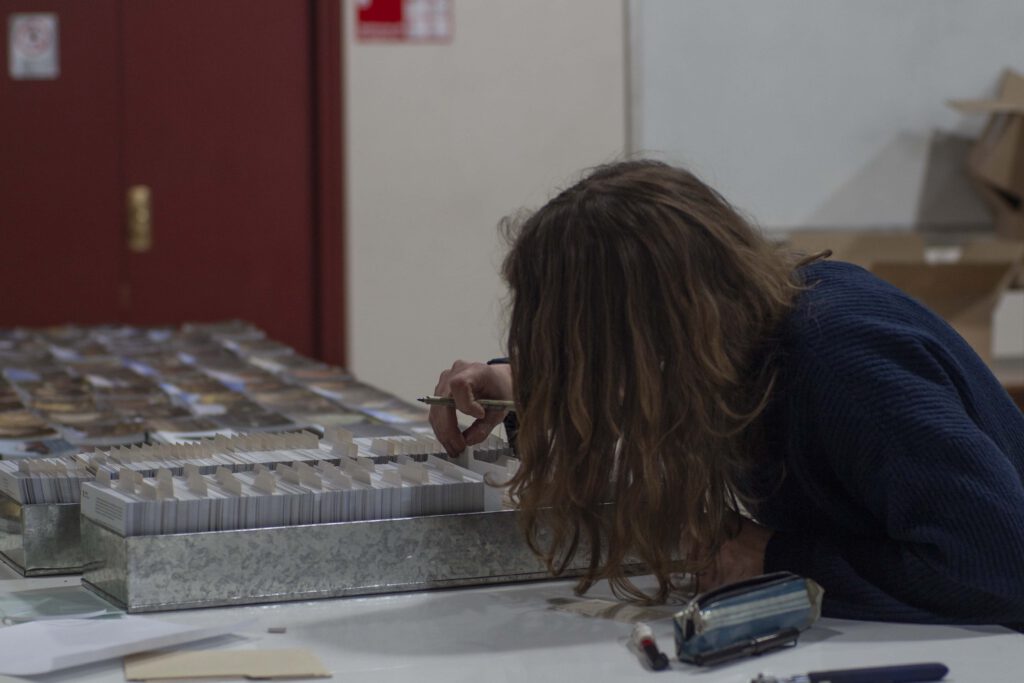
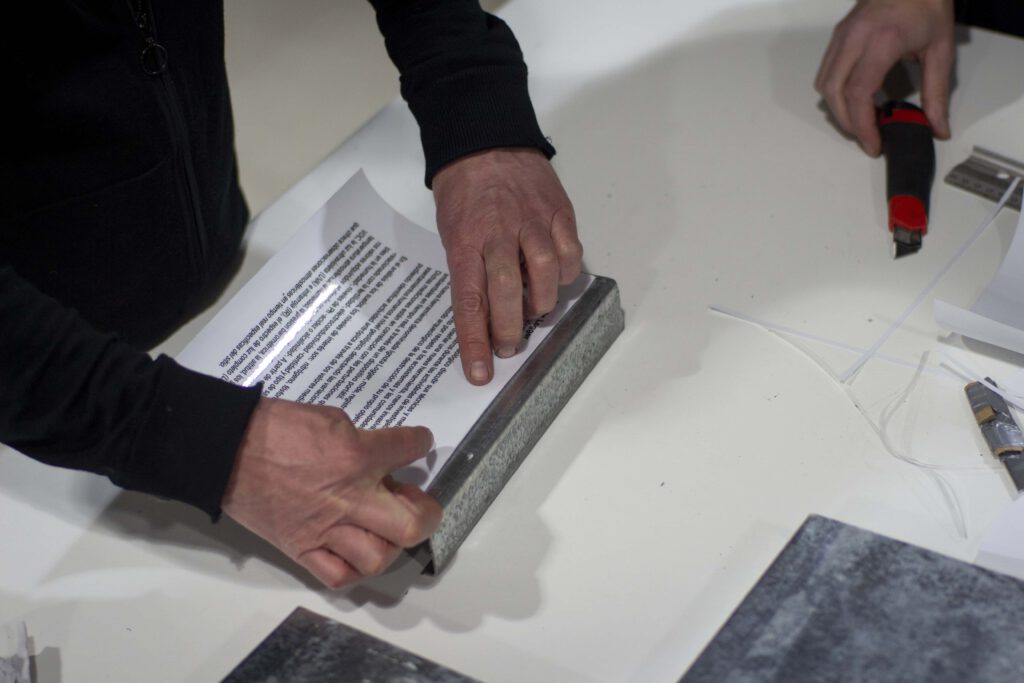
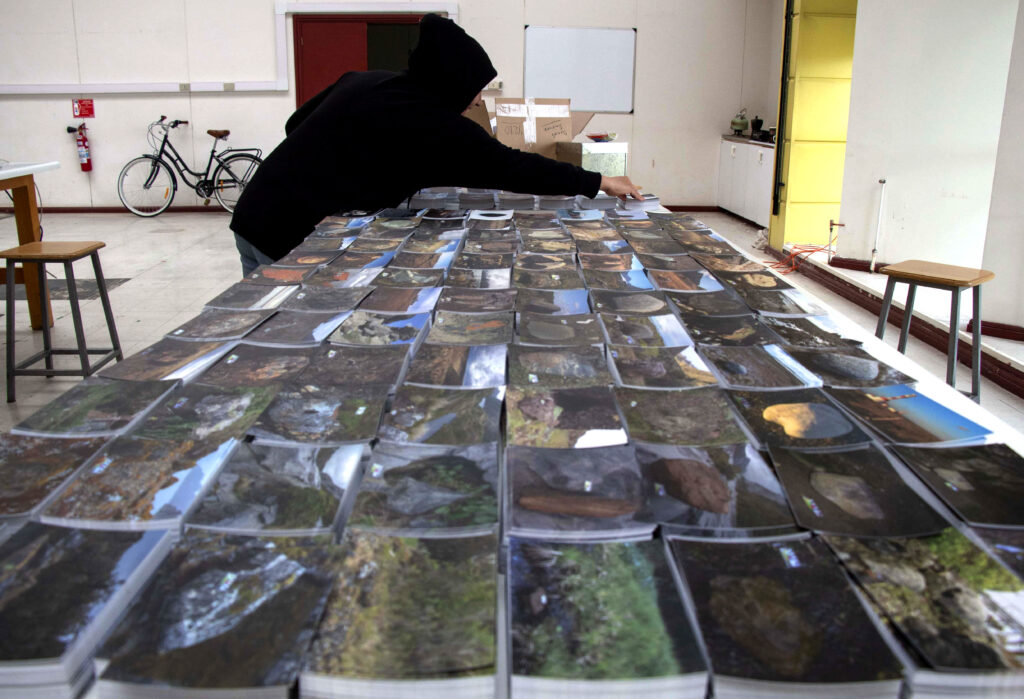
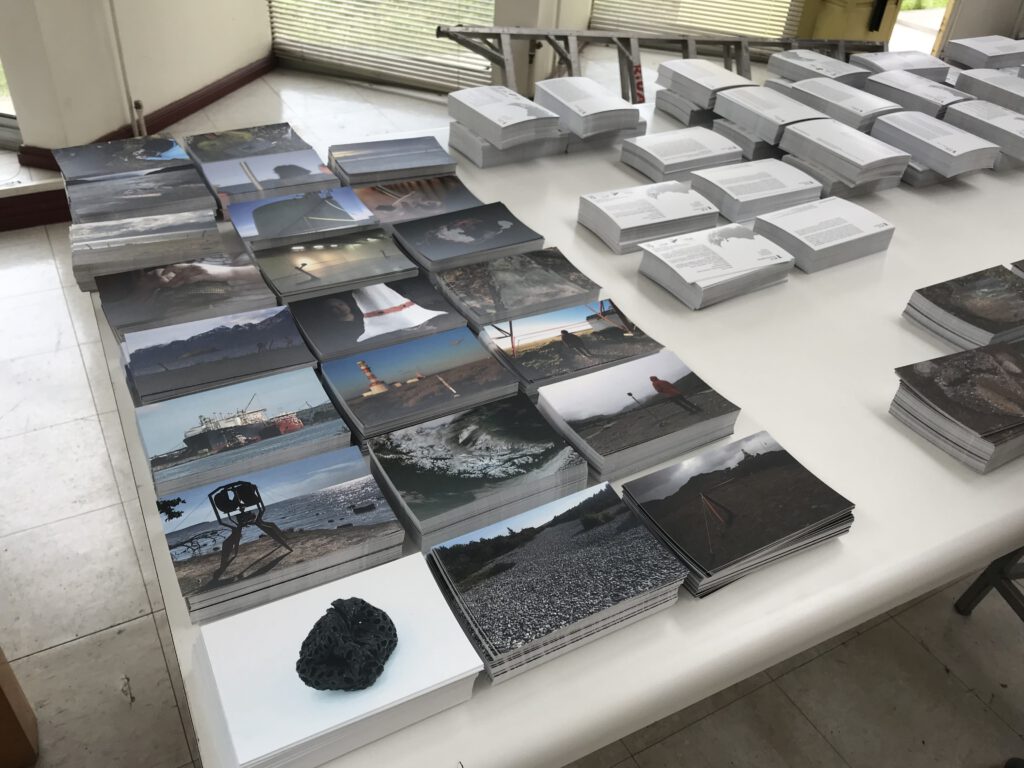
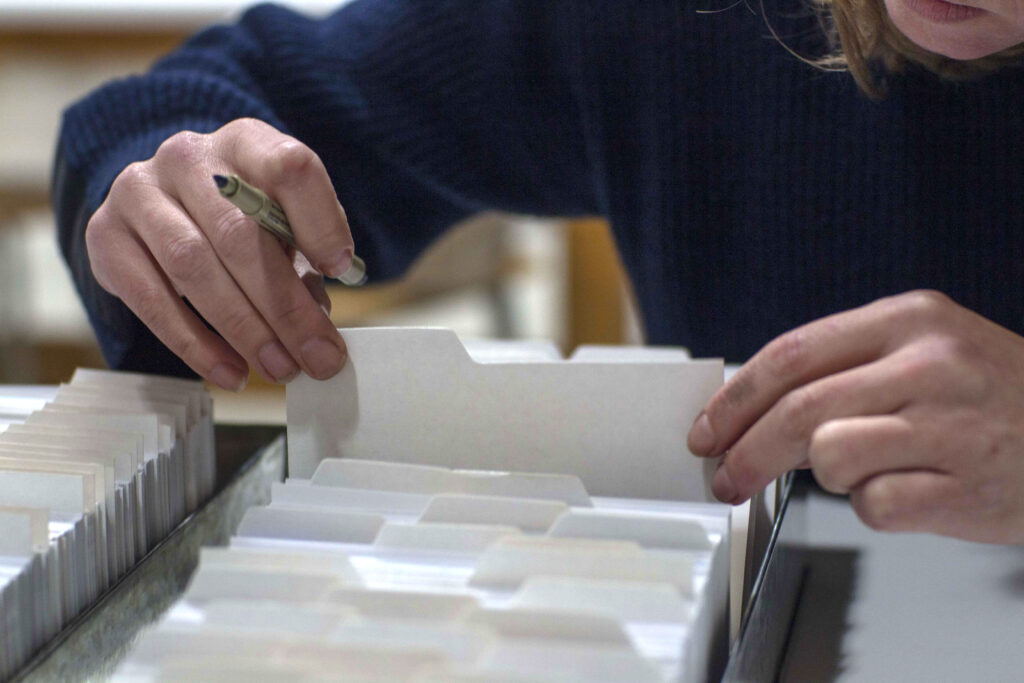
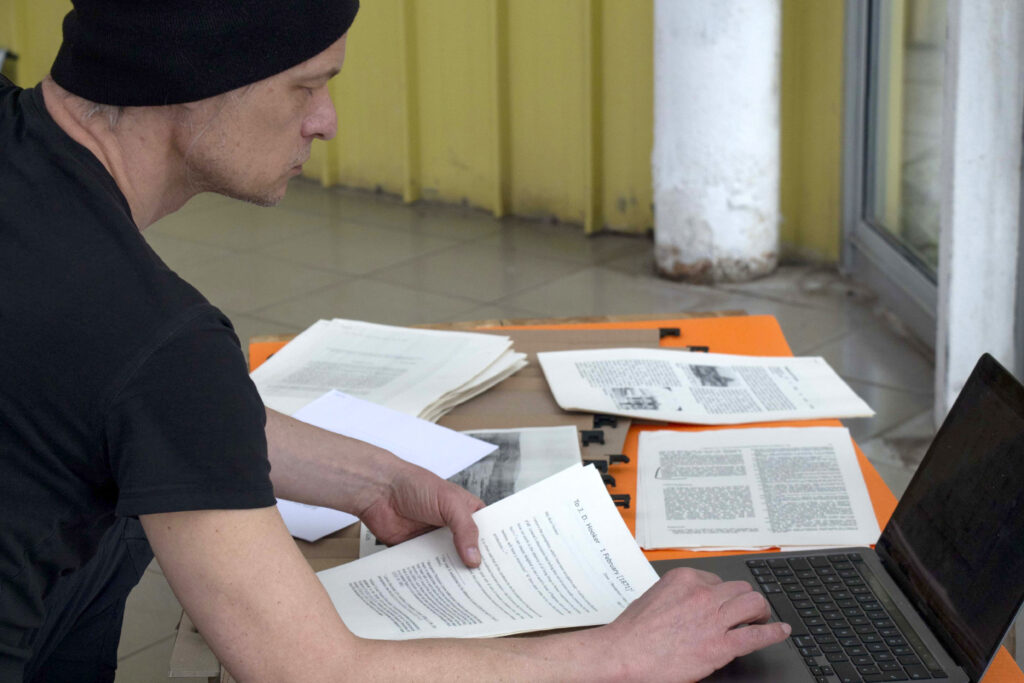
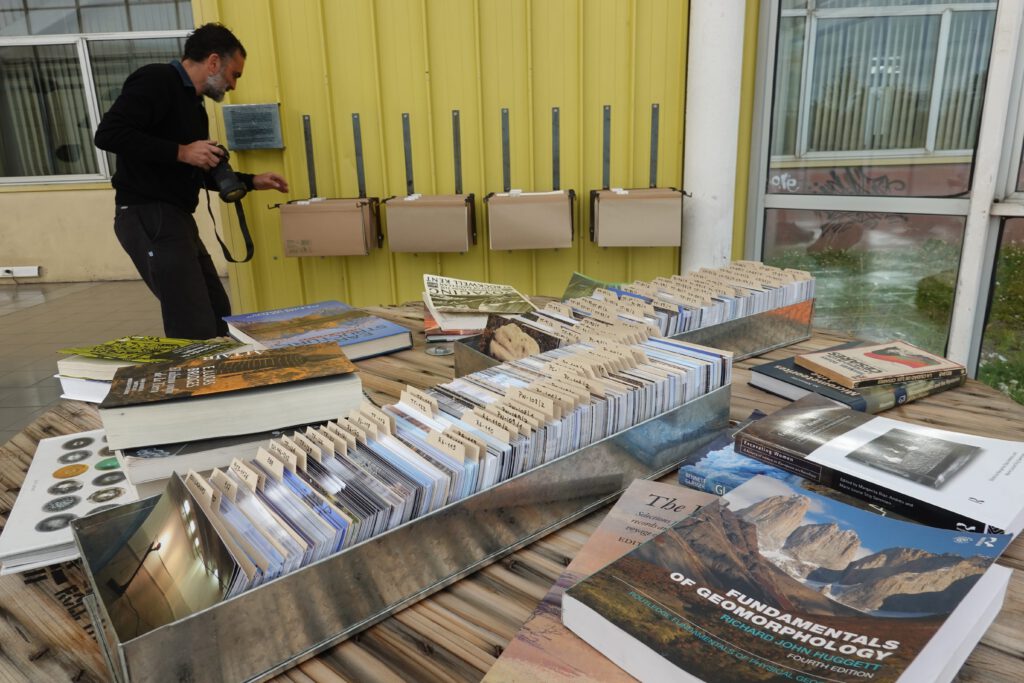
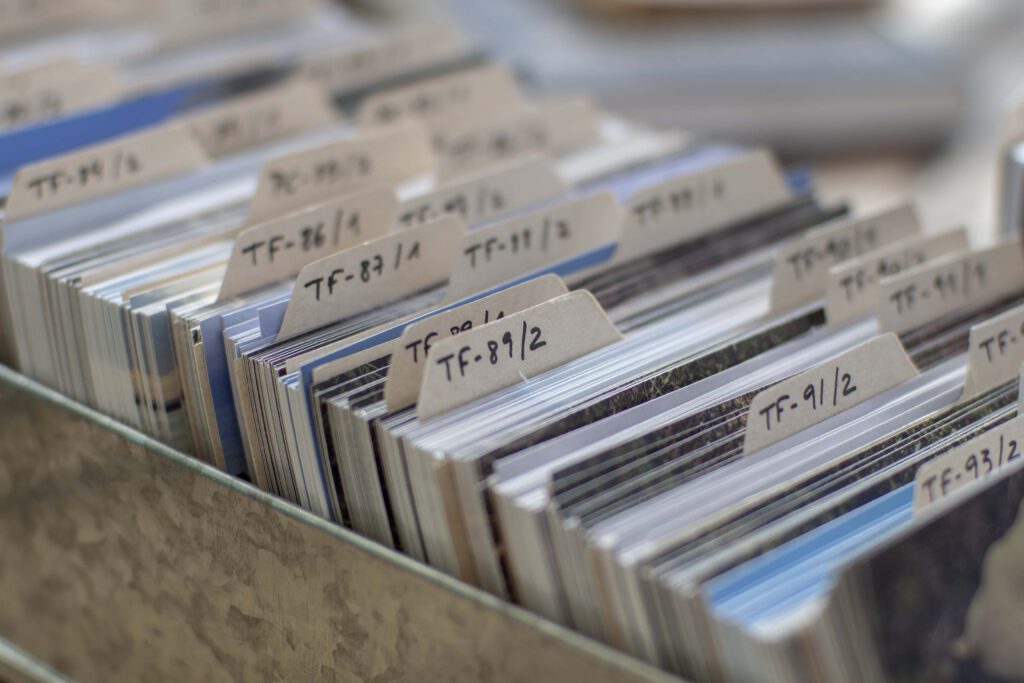
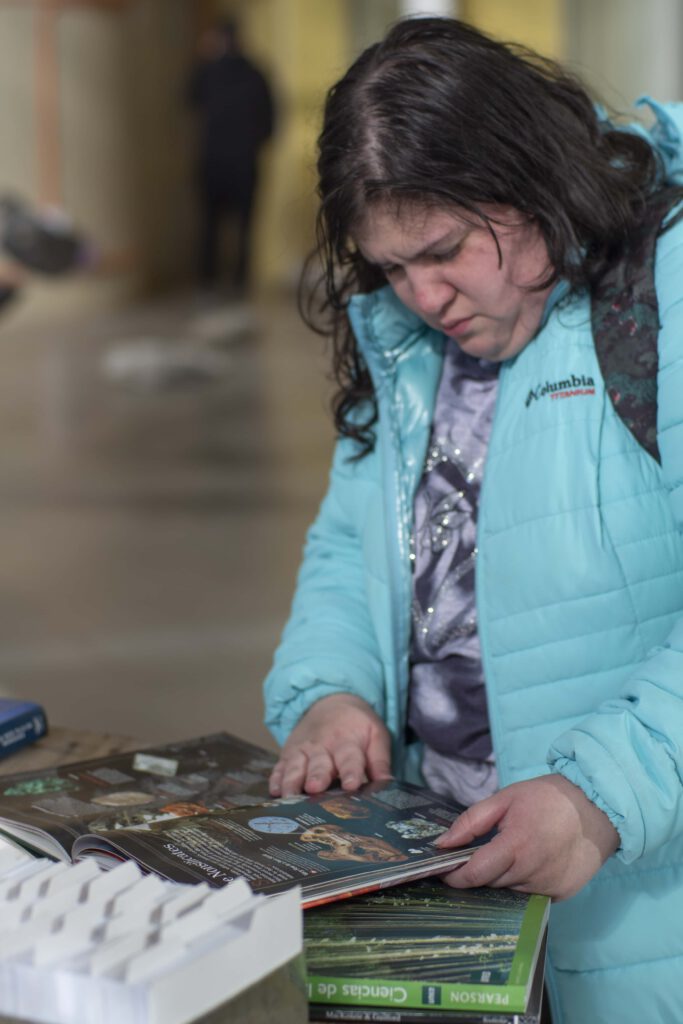
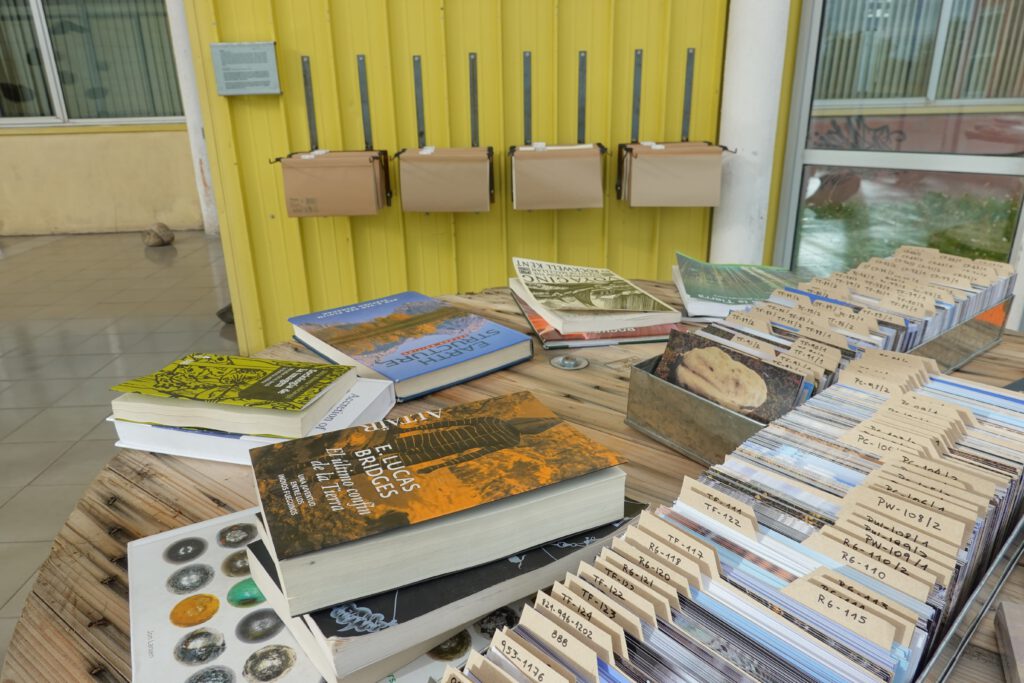
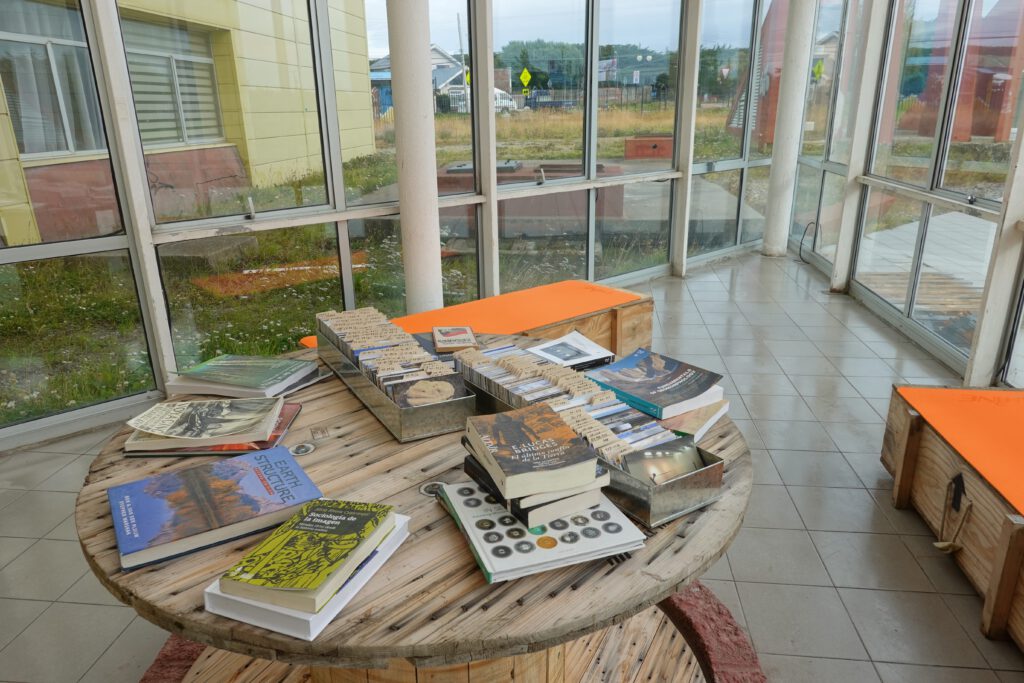
The installation is complemented by a mediation table of the extensive archival work carried out, which includes more than 2000 pages of scientific papers, articles, images and stories through which a system of codes invites the visitor to unfold narratives of each of the rocks. The two postcards corresponding to each piece can also be consulted: the first, of a scientific nature, shows its formal and material characteristics and its geographical location; the second, of a poetic nature, shows a story assigned to a collaborator who approaches the object from his or her own discipline.
Zona de Contacto Intercultural by Terra Ignota team
duration: 17:11 min.
year: 2023
single channel video HD, stereo
The work of archaeology consists of exploring and understanding human behaviour from past and present material remains, including in a relevant way the modifications we produce in the landscape. Archaeology is practised on this occasion through the collaborative work of different agents in the Darwin Range.
For decades, archaeological accounts and findings in Bahía Yendegaia have shown shell midden, habitational structures and pictorial representations. But for the first time, in Bahía Blanca and along the Lapataia Valley, ancient narratives have been transformed into occupation sites documented by anthropogenic material finds and landscape modifications.
This transdisciplinary project has not only allowed us to discover new archaeological remains, but has also demonstrated the importance of combining different areas of knowledge to fully understand the history, geography and meaning of a place that functioned and will continue to endure as a link in the territory.
More info http://terra-ignota.net/2023/06/21/transfers/
Jornada en el Gran Archipiélago by Cristian Espinoza and Alfredo Prieto
duration: 6:10 min.
year: 2023
single channel video HD, stereo
Journey in the Great Archipelago is a map by Dr. Alfredo Prieto and Cristian Espinoza based on John Bartholomew’s Atlantic map tracing a journey of early humanity from the centre of Africa to Tierra del Fuego during the Würm glaciation.
Where we have been taught to see dismembered, distant, sometimes colliding bodies, which we have called islands and continents; we see a single archipelago. Humanity, seen in a single great movement, appears to us from here as a continuous spread. A movement of hundreds of thousands of years of advancing, returning and learning technologies to deepen their way of inhabiting the archipelago.
Sometimes when travellers diverge, they forget their unity after several generations. And when they converge again, they find it difficult to recognise the other travellers as part of the same humanity.
Extinción!? by Fernanda Olivares, Nicolás Spencer and Claudia Augustat
duration: 20:00
year: 2023
single channel video HD, stereo
Collaborative piece dealing with cultural objects and their forms of representation based on experiences in museums. The original video is part of the audiovisual installation exhibited at the Weltmuseum Vienna, in the project TAKING CARE 2023 – Ethnographic and World Culture Museums as Spaces of Care”.
Fernanda Olivares (Selk’nam, director of the Hach Saye Foundation) and Claudia Augustat (curator of the South American collections at the Weltmuseum Wien) freely interpreted the objects belonging to the collection of Selk’nam objects obtained by Martin Gusinde (Austrian priest and ethnologist) and Carl Hagenbeck (precursor of anthropozoological exhibitions).
The video shows objects that were scanned and represented by means of vectors. The emptiness of their vectorial form is filled by speculative narratives as an exercise in understanding the past through dislocated objects (from the Latin dislocare – to remove from their place).
Archaeological findings: The Intercultural Contact Zone by Terra Ignota team
year: 2024
single channel video HD, stereo
Through research in the Lapataia Valley and the discovery of material finds, the ancient narratives of occupation sites have been transformed, proving the existence of a transit passage between the Onashaga (Beagle Channel) and the Almirantazgo Sound. This possible transit or meeting point between the Selk’nam, Kawesqar and Yagán communities has been called the Intercultural Contact Zone.
Archaeology was practised, on this occasion, through collaborative work between scientists, artists, curators and the communities whose ancestors possibly inhabited this area. This study proposes that since the opening of the glacial ice in the Holocene, the transit of humans and animals was made possible through the same route we follow today.
Archaeological discoveries include large fishing corrals, overhang habitats, temporary camps and forest modifications. This transdisciplinary project has not only allowed us to discover new archaeological remains, but has also demonstrated the importance of combining different areas of knowledge to fully understand the history, geography and significance of a place that functioned and will continue to endure as a link in the territory.
Harvesting the wind: turbines and free energy harvesting tools by Florencia Curci, Víctor Mazón and Nicolás Spencer
year: 2023
single channel video HD, stereo
ὅλος /ólos/ : all
βιὅς /bios/.: organism, beging
Can independent and autonomous networks cope with modes of energy production and consumption on a global scale?
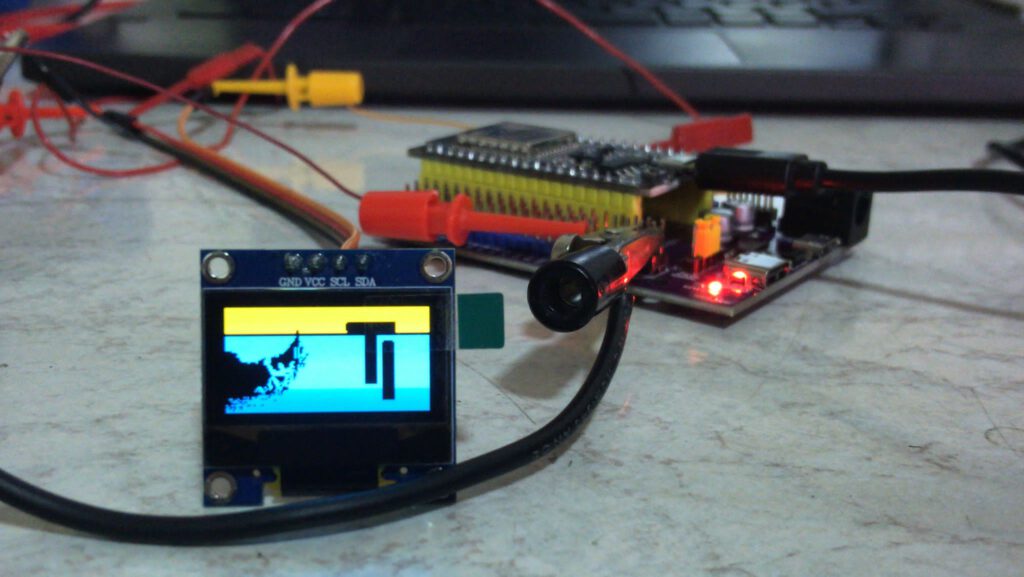
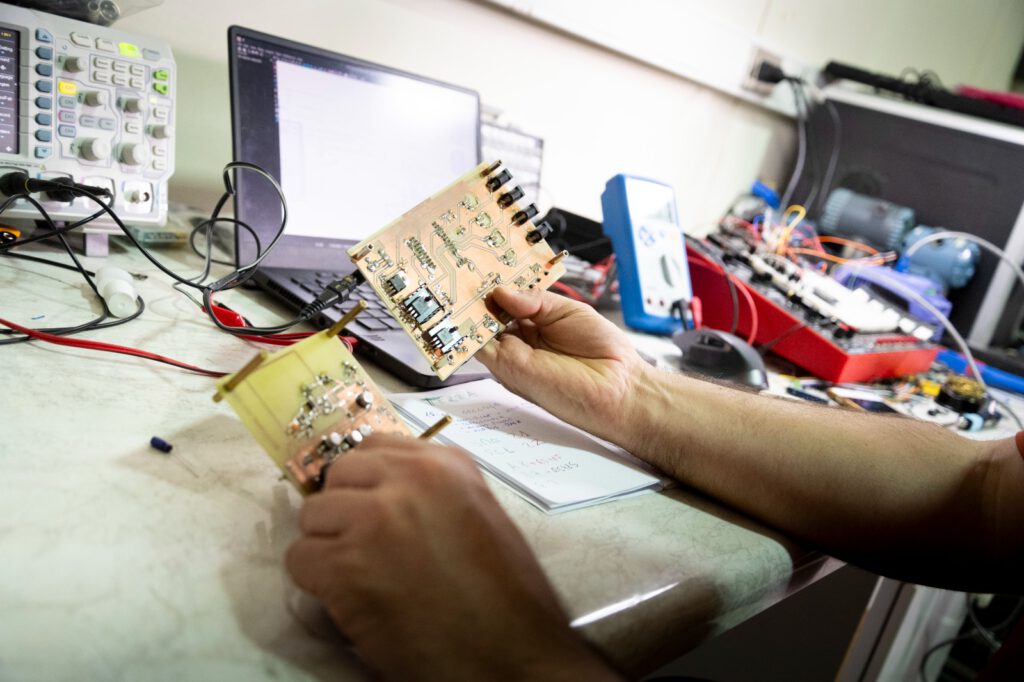
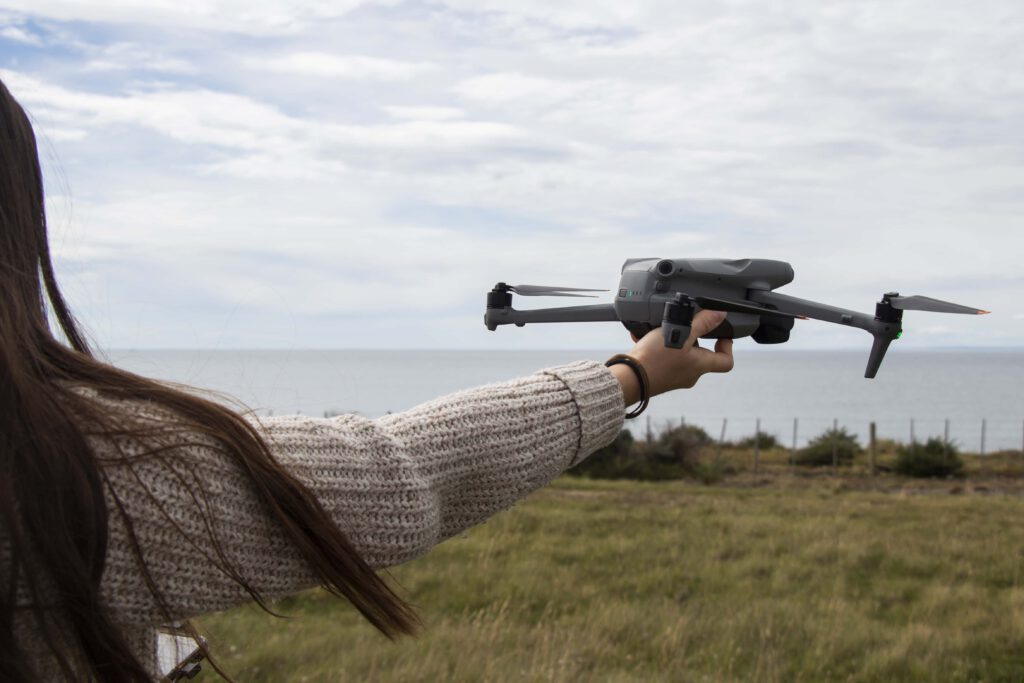
Holobionte is a quest for the creation of a self-sufficient and decentralised system for measuring atmospheric and geological data. It proposes the creation of a data collection and interpretation network managed by the civil community with special emphasis on isolated or ecosystemically fragile locations. The image shows the first prototype of the Holobionte 0.1: open-hardware wind turbine, with its charging, discharging and energy storage control system, 12V battery, 5-12V voltage regulator.
Ignota Logger by Víctor Mazón
year: 2023
single channel video HD, stereo
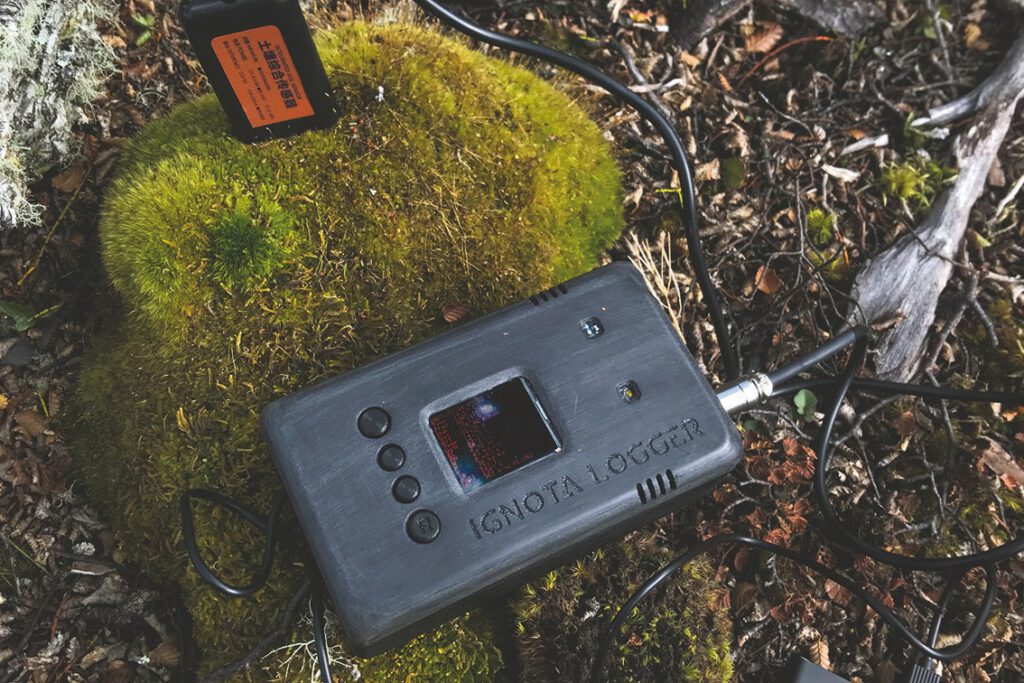
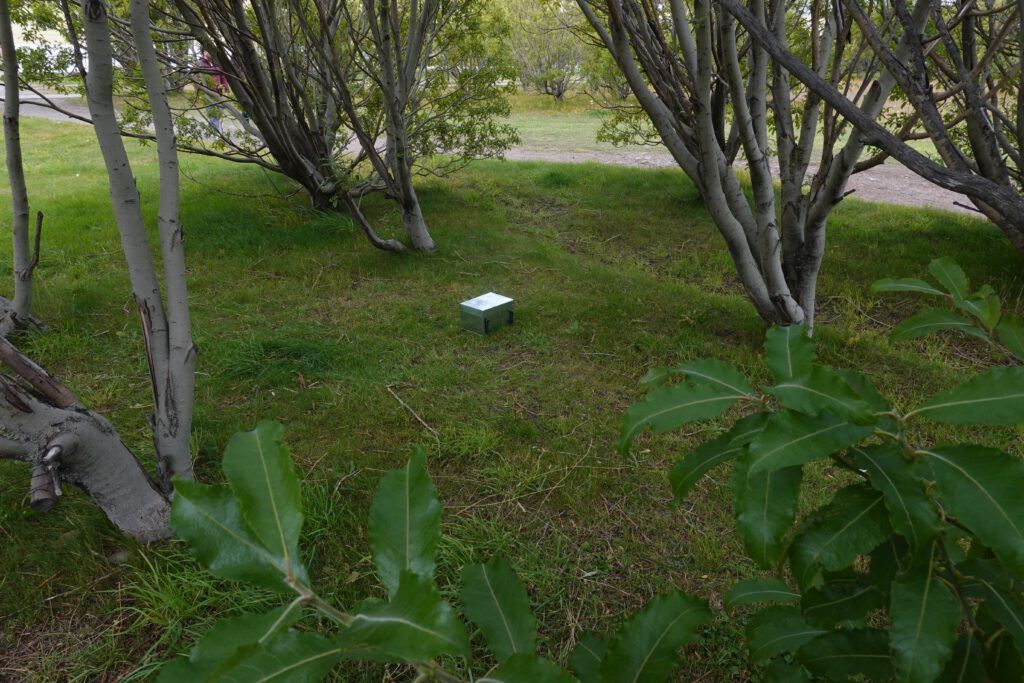
After listening to the archaeological team discuss their techniques and methodologies for observing trails and tracks during field investigation activities, it became important to design a new, less invasive tool for soil analysis. Both out of respect for ecosystems and communities and to prevent the archaeological method from destroying its own object of study.
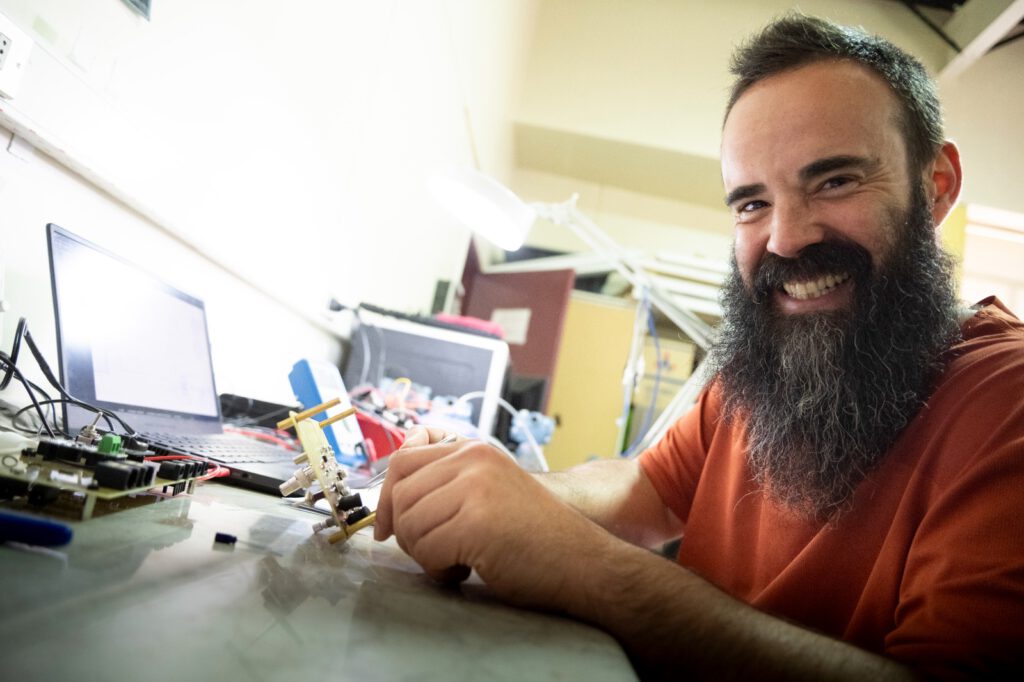
This new tool, called Ignota Logger, measures, records and analyses environmental data in real time, through a portable device.
These measurements are correlated with the disturbances generated by human settlements at the geological level, detecting variations at the site and being able to identify anthropogenic activity through the measured values.
In soil analysis, the levels of interest are: nitrogen, phosphorus, potassium -related to fertility-, electroconductivity -amount and type of soluble salts in humidity-, Ph levels -acidity or alkalinity-. From these first acquired values, the design was extended to measure external variables such as atmospheric temperature, humidity, barometric pressure, altitude, VOC gases, ultraviolet (UVA) and infrared (IR) light, the full light spectrum (LUX) providing real-time site-specific atmospheric observations.
Environmental Linguistics by Carsten Stabenow and Raviv Ganchrow
year: 2023
installation and online archive
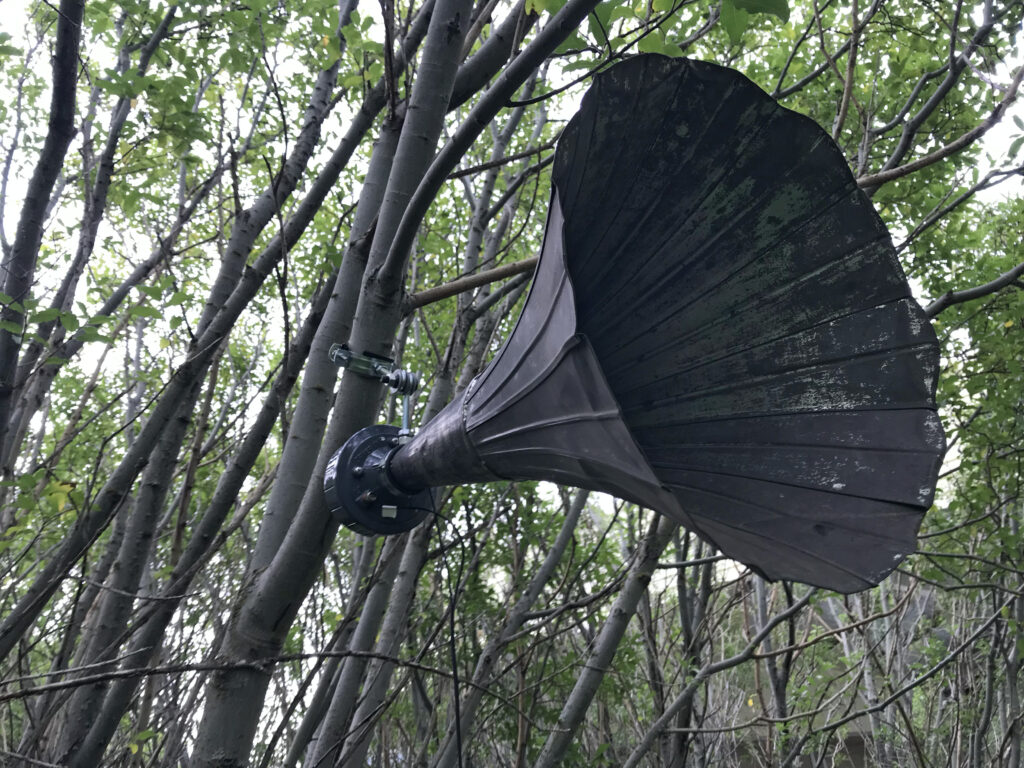
Environmental Linguistics is an investigation of the relationships between language development, landscape and climate.
The starting point were Martin Gusinde’s phonographic recordings, which were made on behalf of the Berlin Phonogramm-Archiv in the years 1918-24 in Tierra del Fuego.
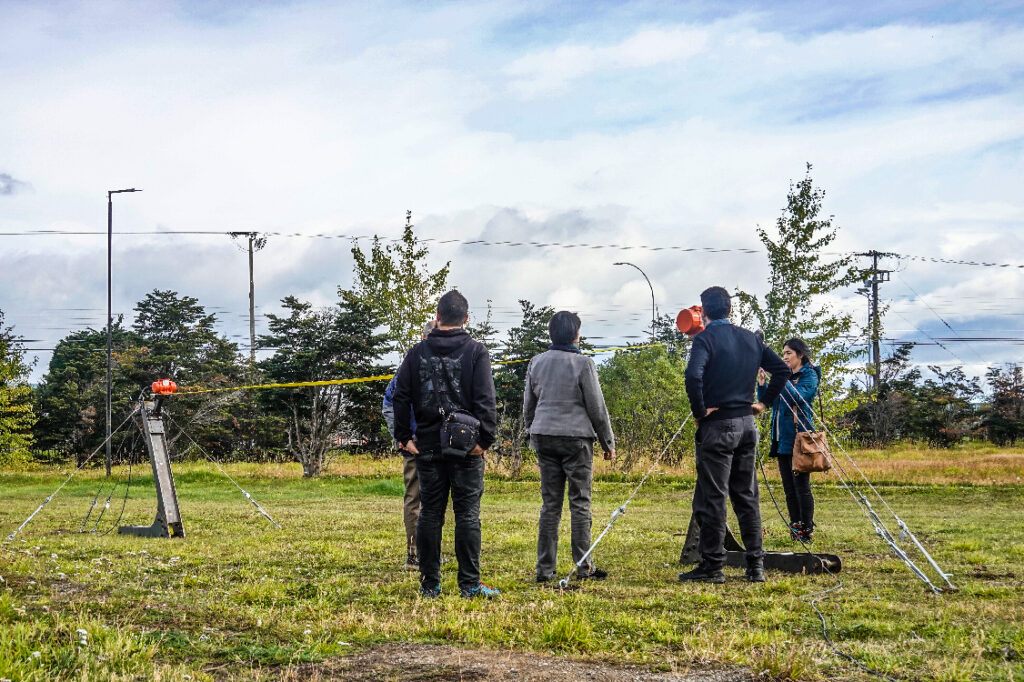
We developed an experimental approach that allowed us to conduct a systematic comparison of speech propagation and intelligibility in the field. The passage between Yendegaia and Admiralty Sound, which has been described as a possible historical “intercultural contact zone” and “communication pass”, seemed an appropriate place to test the interactions between voice and terrain.
Among Gusinde’s recordings, there was a single recording containing only speech utterances (and not songs) with Selk’nam vocabulary spoken by Antonio Toin, recorded on 27.07.1923 in Remolino with the label Cylinder #4. The recording is a simple sequence of spoken words, each repeated twice.
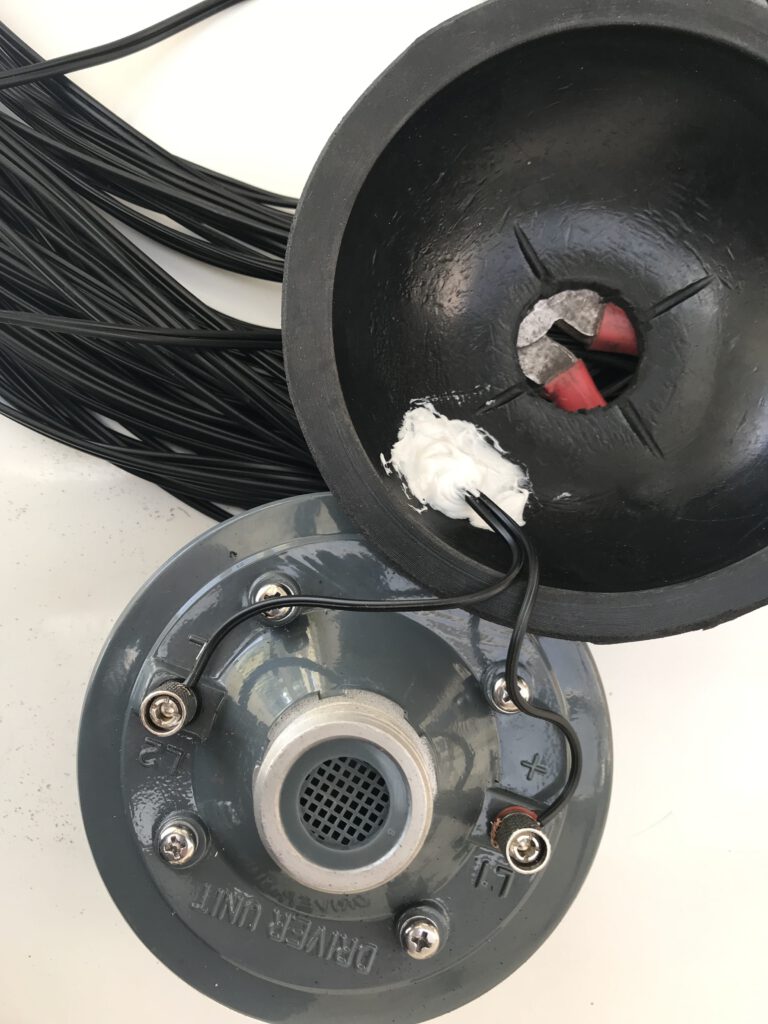
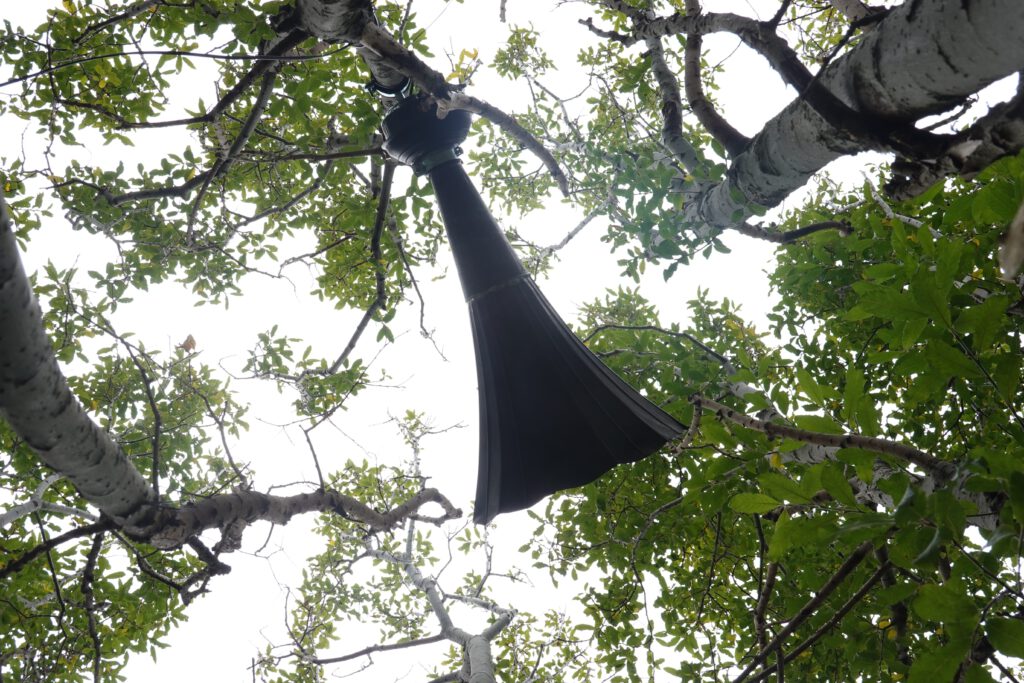
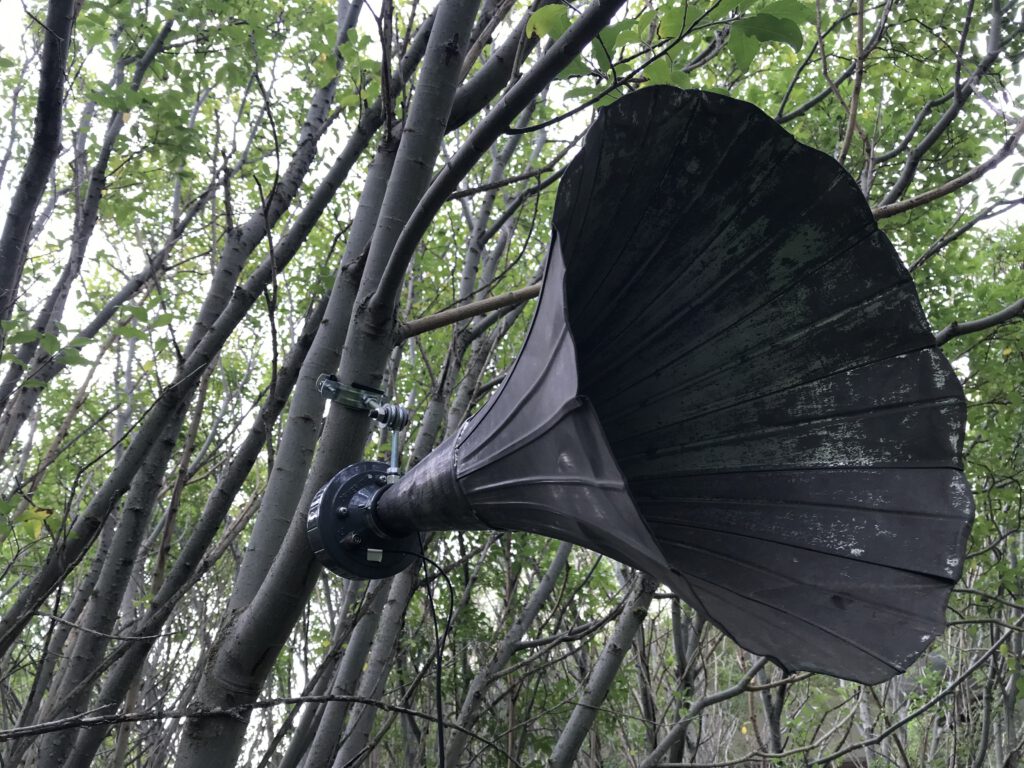
In the installation that recording is played back to the place via a phonograph horn – with the same acoustic characteristic as the horn which recorded the voice almost exactly 100 years ago. A QR code will lead to an online archive documenting the research and granting access to comparative listening examples of the effect of environmental conditions on speech comprehension.
Chronicles of Encounter by Kerstin Ergenzinger, Jasmine Guffond and Raviv Ganchrow
duration: 09:40 min.
year: 2024
single channel video HD, stereo (English with Spanish subtitles)
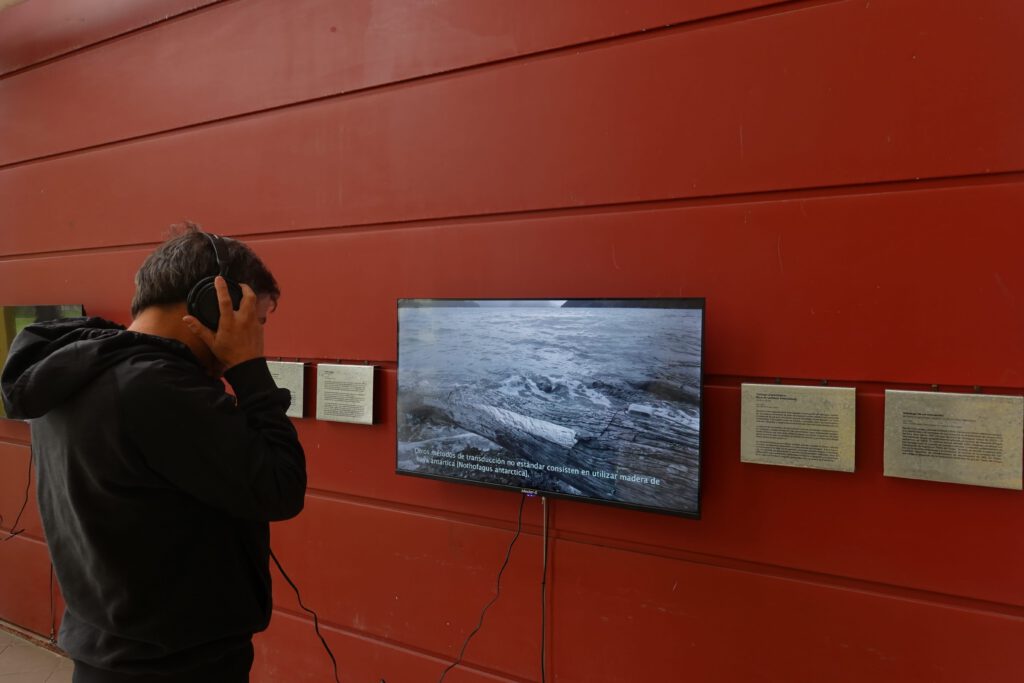
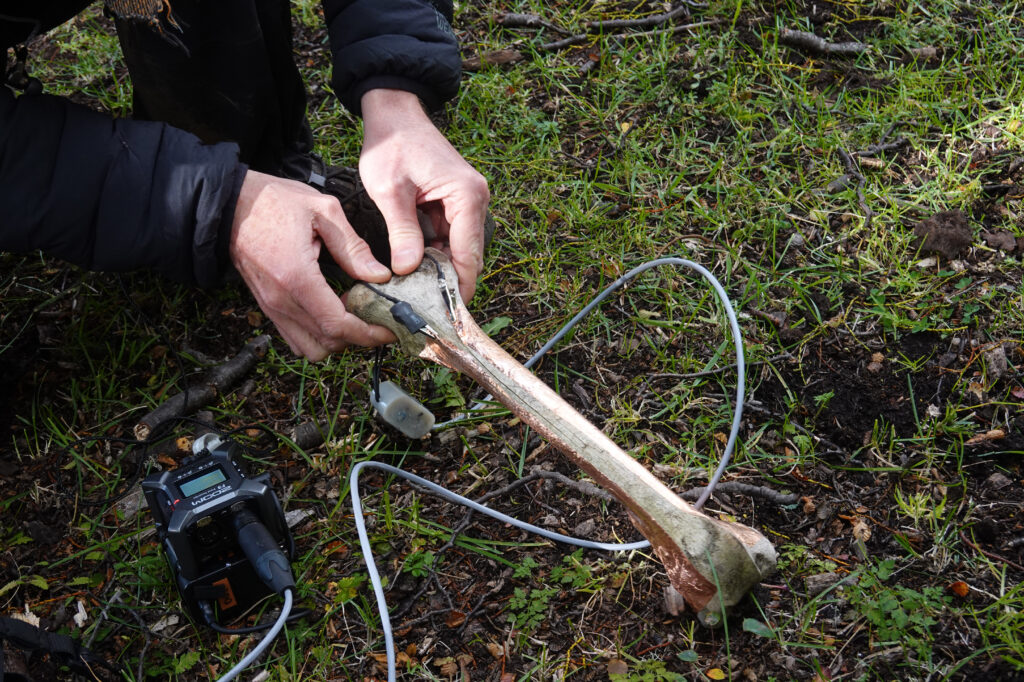
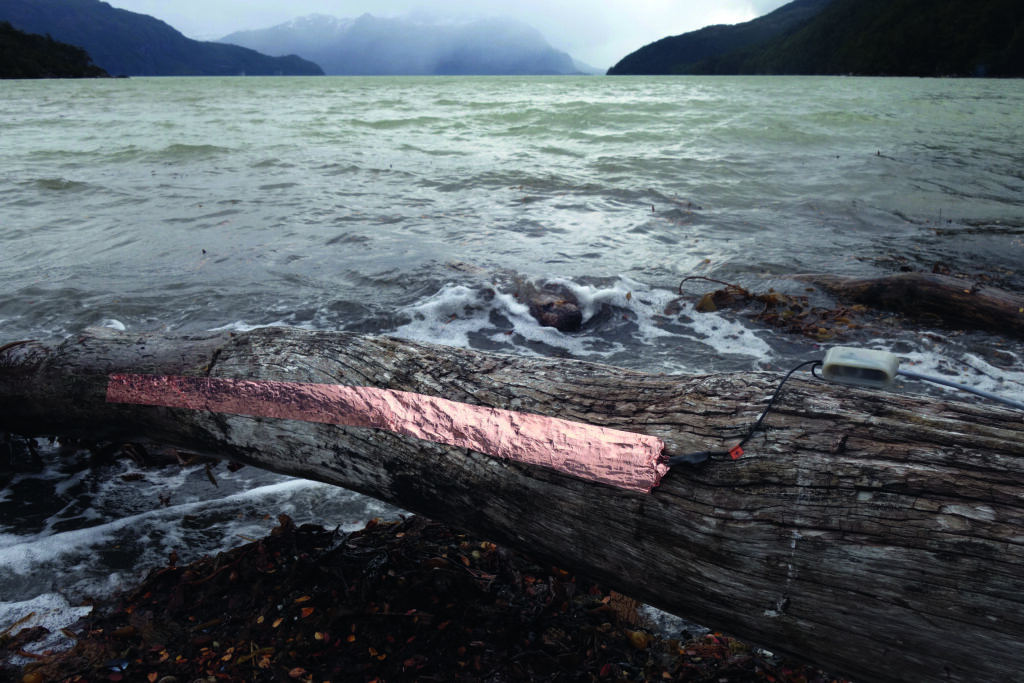
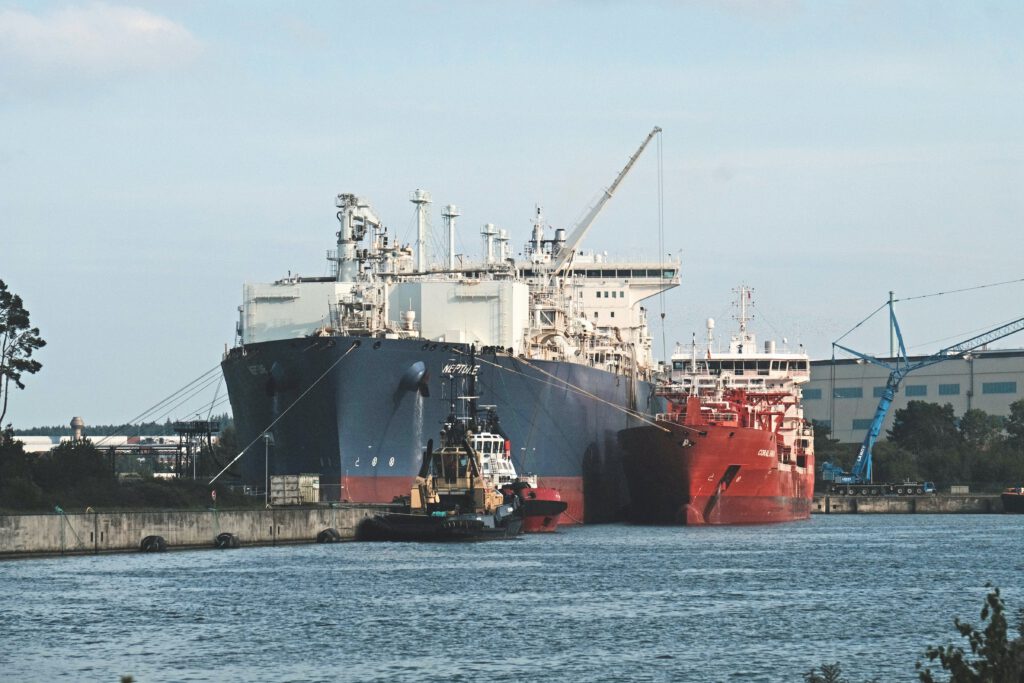
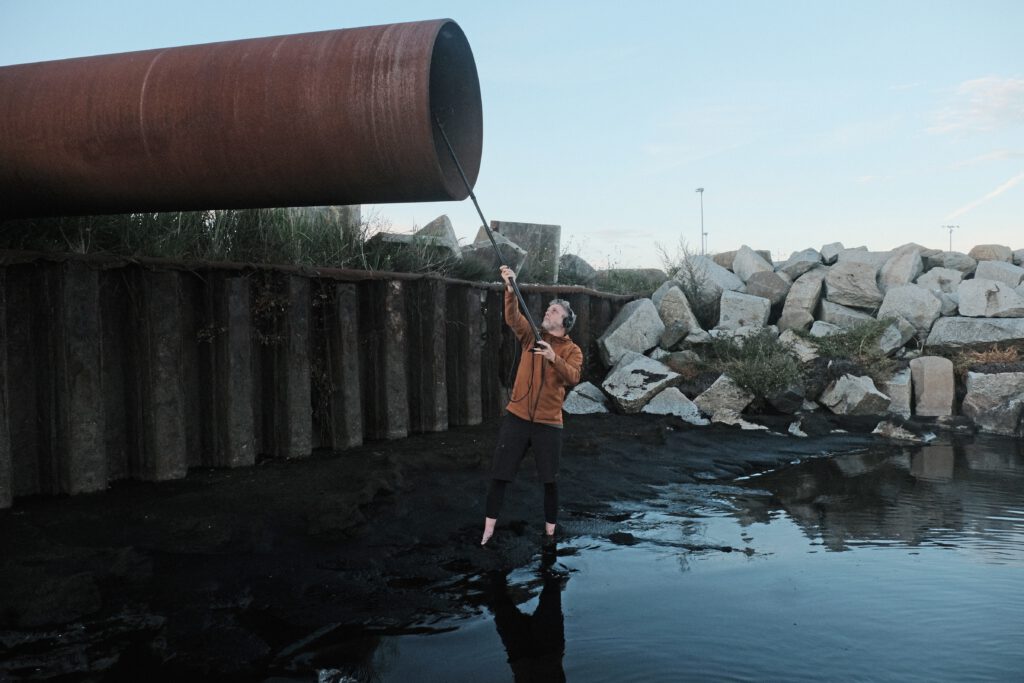
Kerstin Ergenzinger, Jasmine Guffond and Raviv Ganchrow speak about their individual encounters and project approaches at Terra Ignota Forum (TIF) field lab & forum (Yendegaia National Park, March 2023) and the geographically mirrored field lab in Northern Germany (Rügen, September 2023). Footage includes discussions of experimental somatic approaches to situated sense-making and poly-temporal methods of site-transduction in Tierra del Feugo, as well as the political agency of tuned listening and signature sound monitoring in the context of Rügen’s controversial development of LNG regasification infrastructures mirroring unfolding gas fracking developments in Tierra del Fuego.

Osciladores de Viento by Nicolás Spencer
duration: 48:22
year: 2018-2021
single channel video HD, stereo
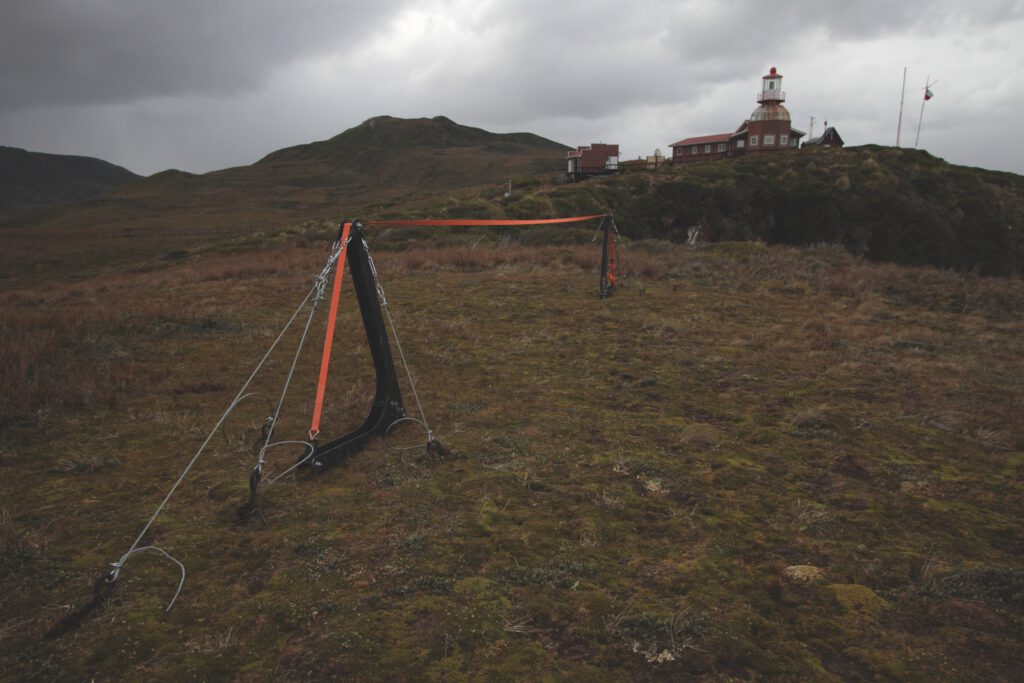
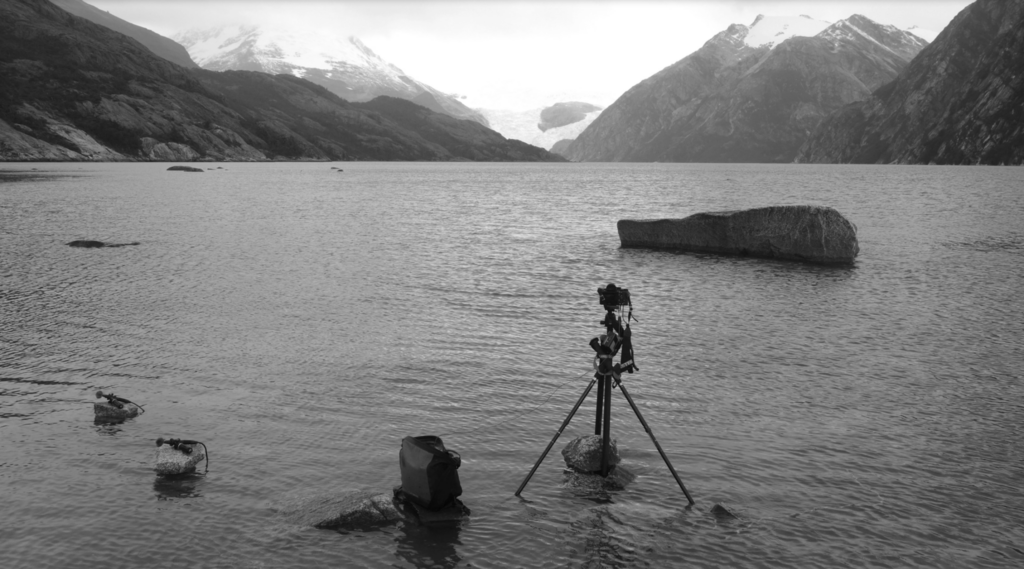
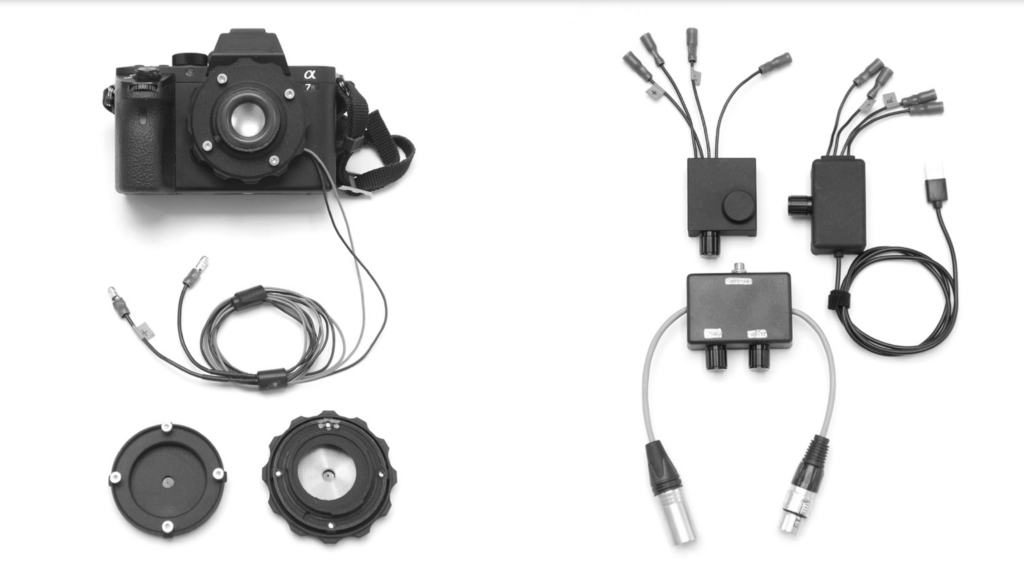
El Oscilador de viento is a tool that considers this natural force as a cultural object that gives indications of human activity in the place where it resonates.
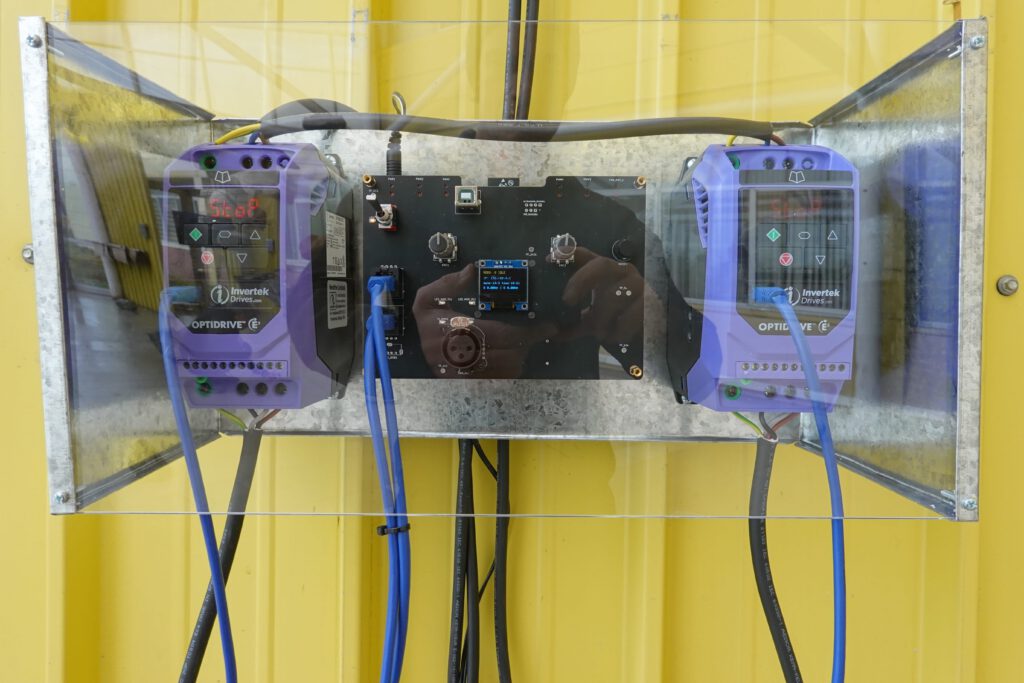
Oscilador by Nicolás Spencer and Víctor Mazón
installation
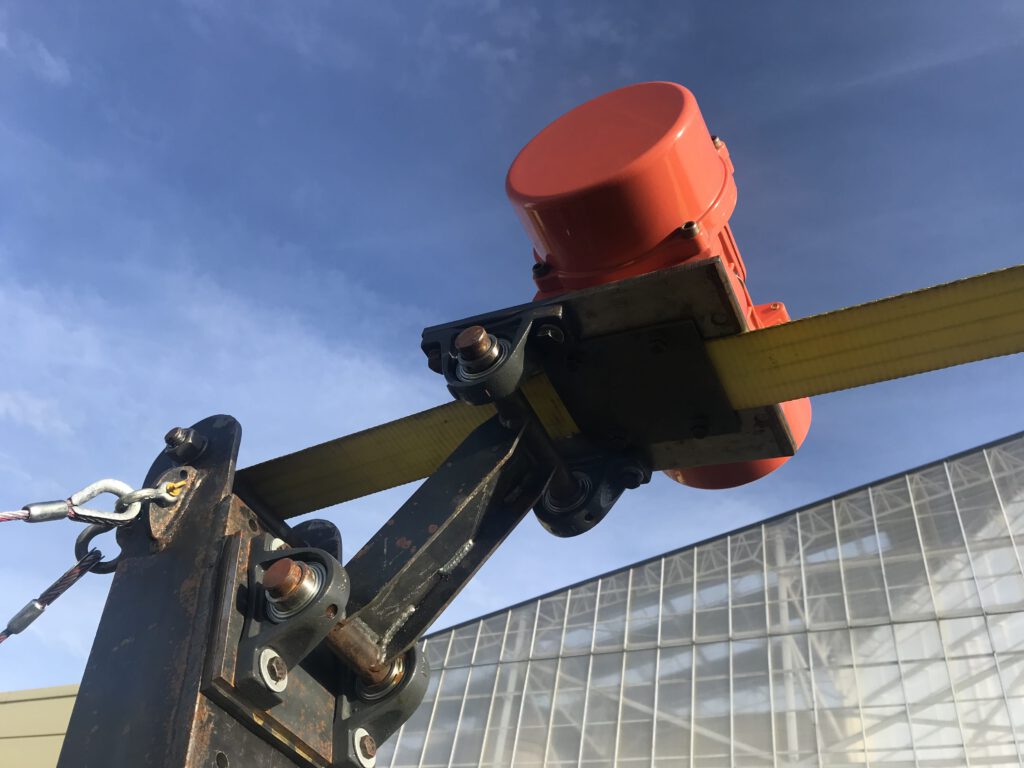
materials: Metallic steel arms 8”, Electro vibrator motor 300/3, centrifugal force of 321Kg, Electro vibrator motor 200/3 with centrifugal force of 187 Kg, printed circuit board 32-bit microprocessor Xtensa LX6 de doble núcleo, modbus RJ45, sling 3” 988 cm.
year: 2022 – 2024
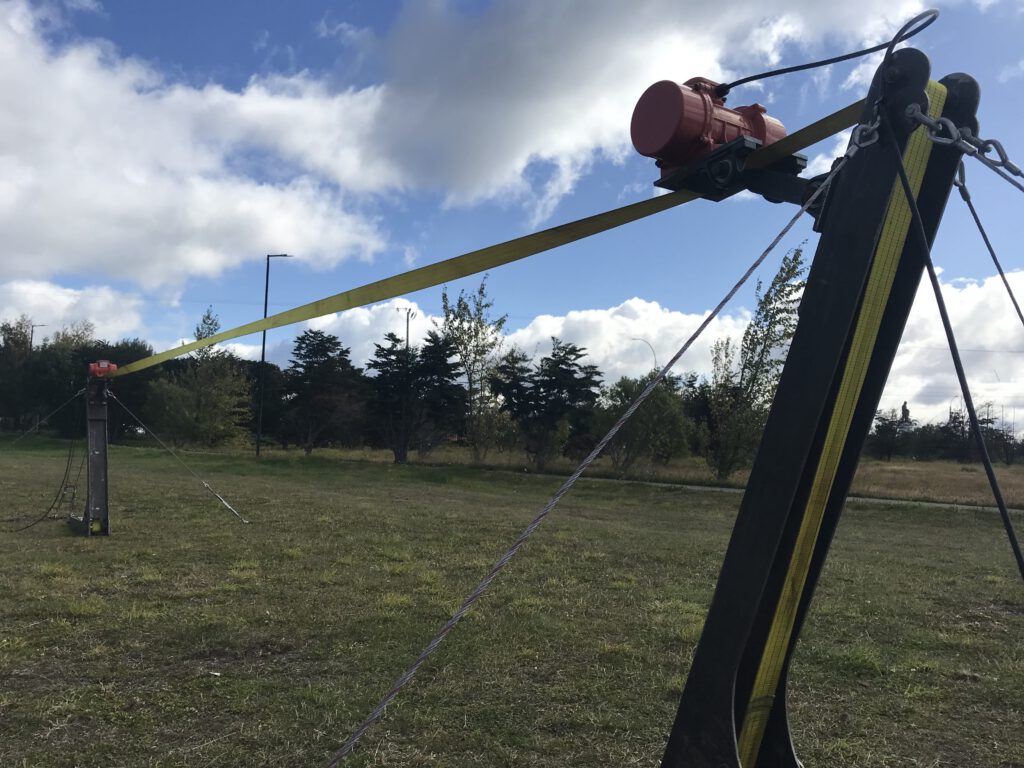
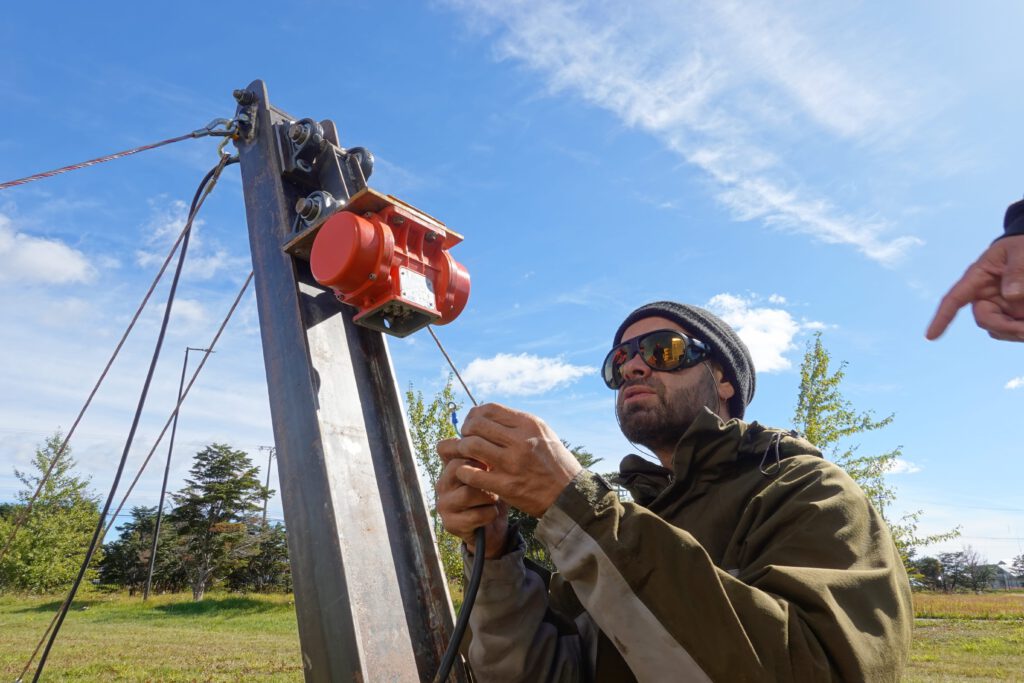
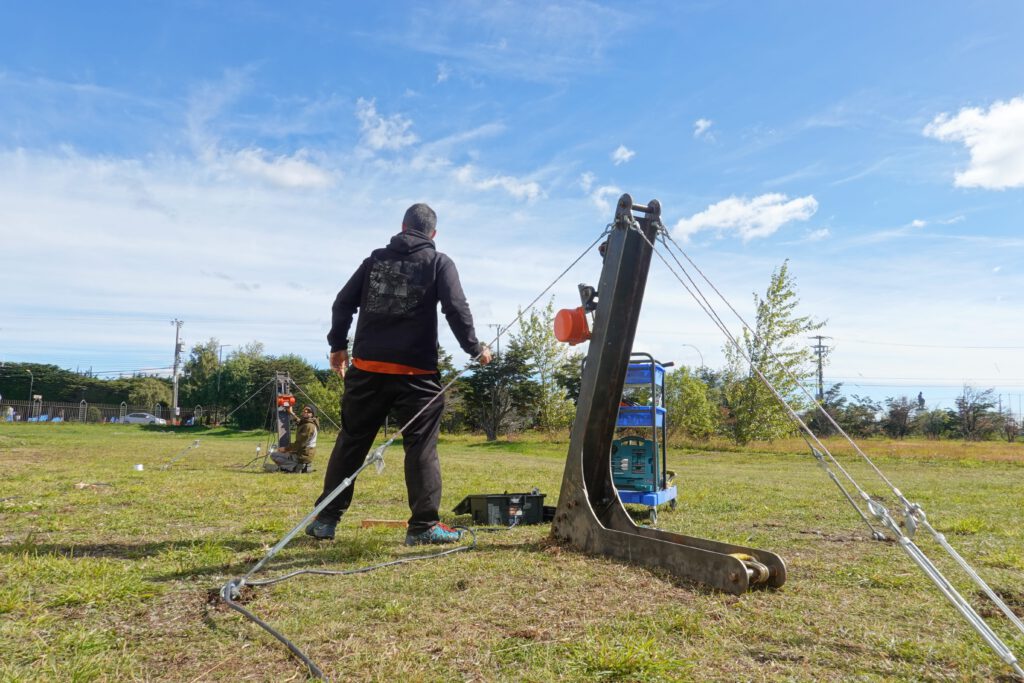
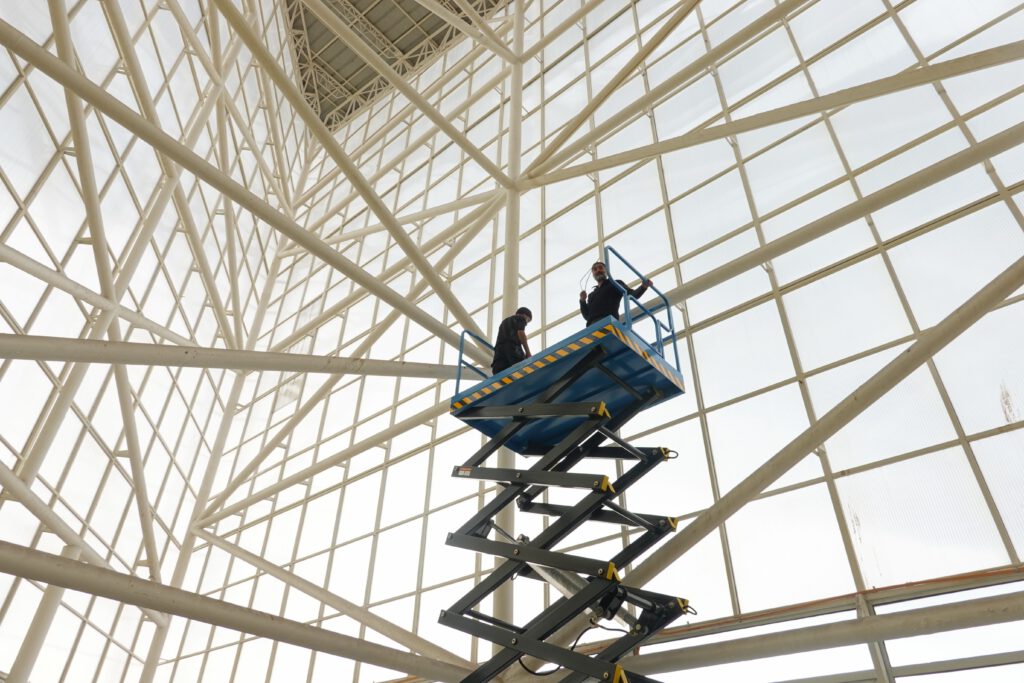
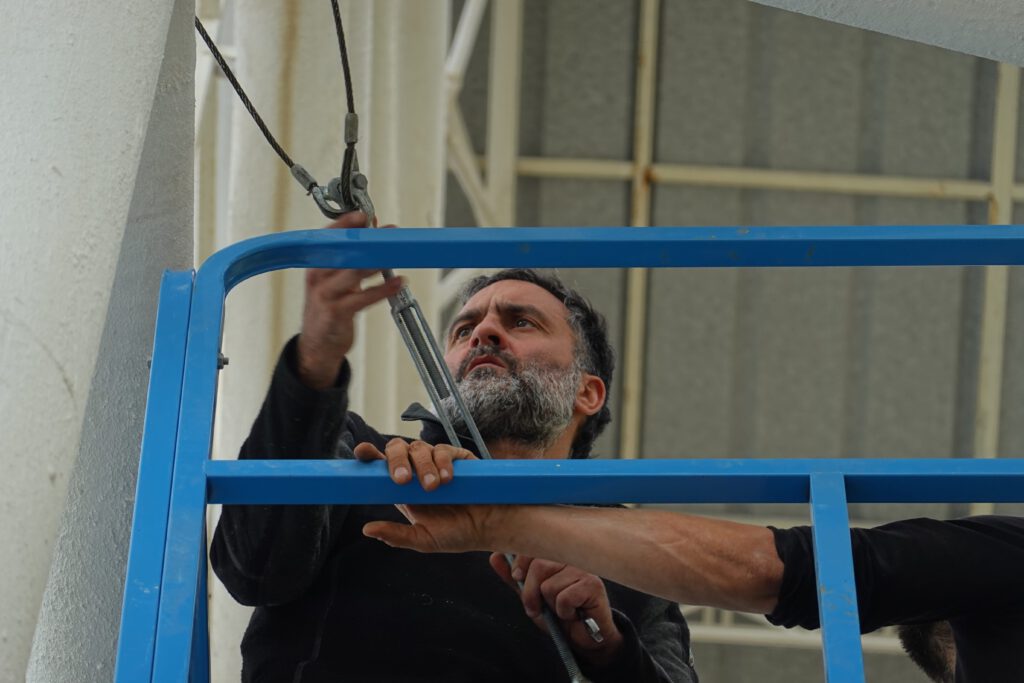
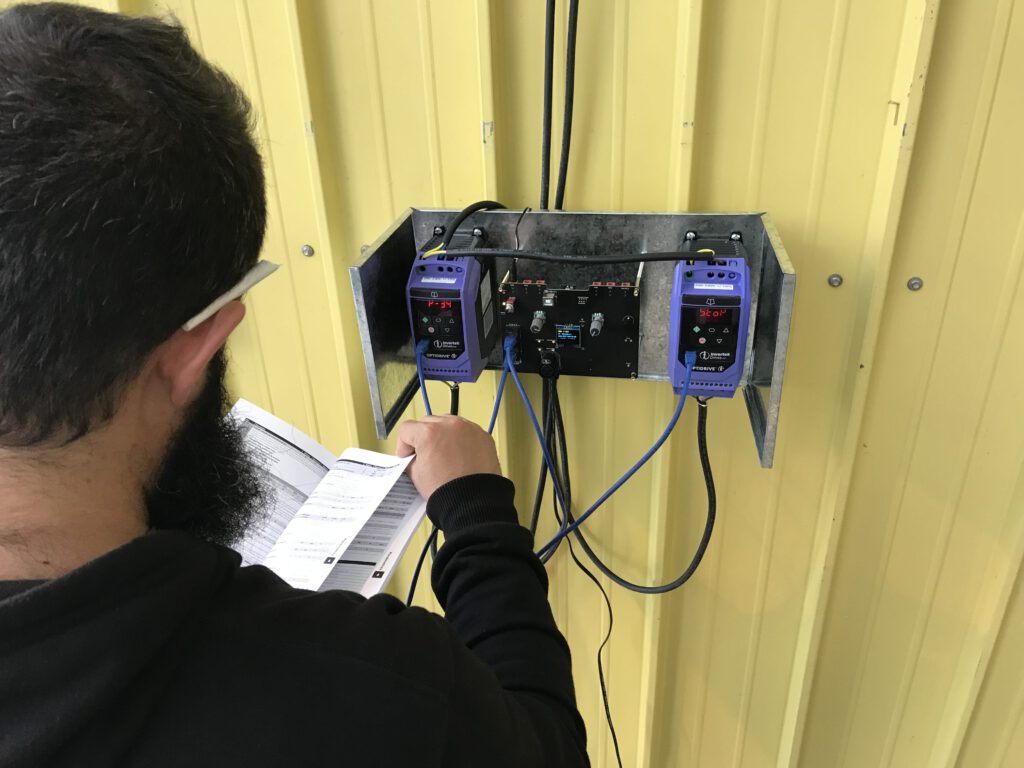
The Oscilador is a tool that generates resonances on architectural structures by means of technological devices.
The first interactions of these oscillators were mechanical devices exposed to hurricane gusts of fire-patagonian wind. In this installation the wind force is replaced by sinuous waves generated by electromechanical oscillations. While the wind version is stimulated by the local winds, this time it is the resonance frequencies, calculated and executed by a self-built digital control, which are transmitted from industrial motors to the architecture of the site.
Perspectivas by Nicolás Spencer
Año: 2:55min
single channel video(s) HD, stereo
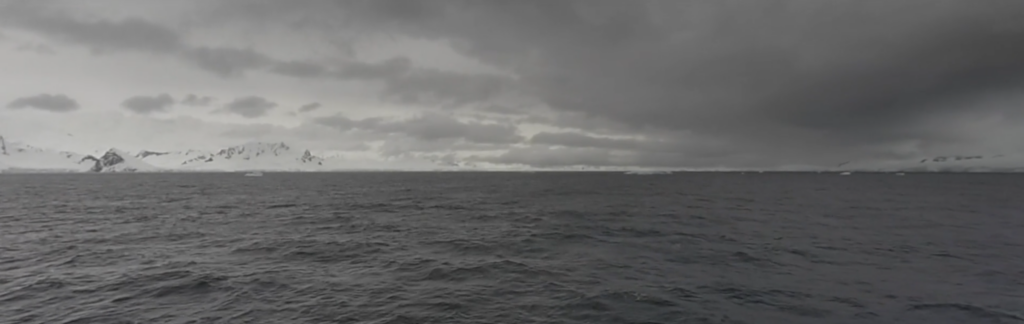
28 videos recorded in the region of Magallanes and Chilean Antarctica, from the Iceberg Iceberg Fjord (northern limit of the region) to the Yelcho Antarctic Base. The videos give the viewer a subjective view of the region.
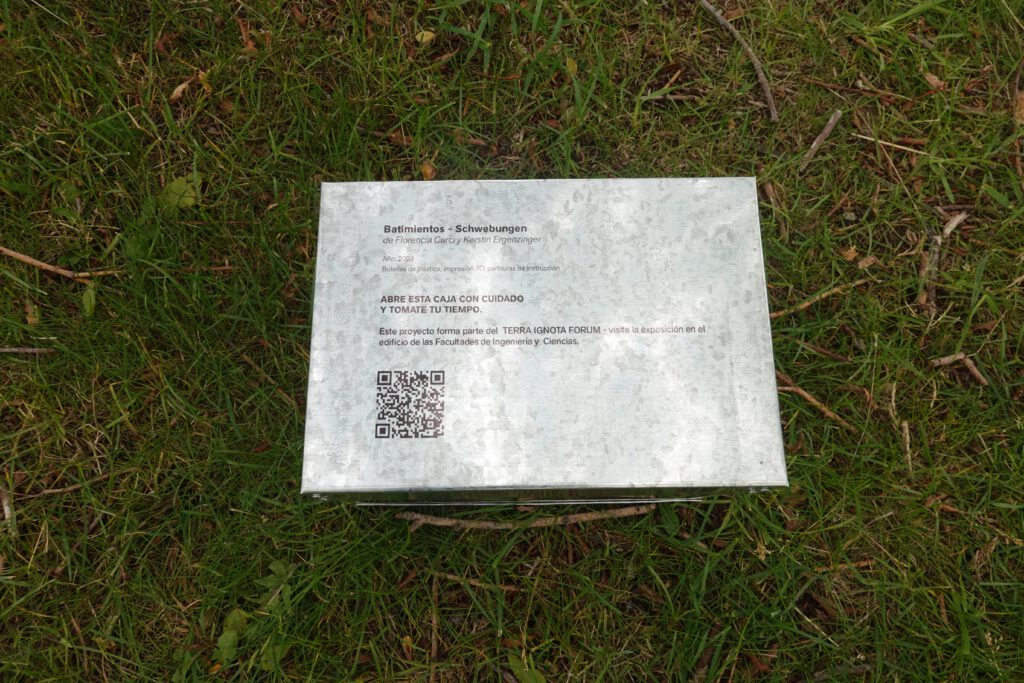
Batimientos – Schwebungen by Florencia Curci and Kerstin Ergenzinger
Año: 2023
plastic bottles, 3d printed mouthpieces, scores
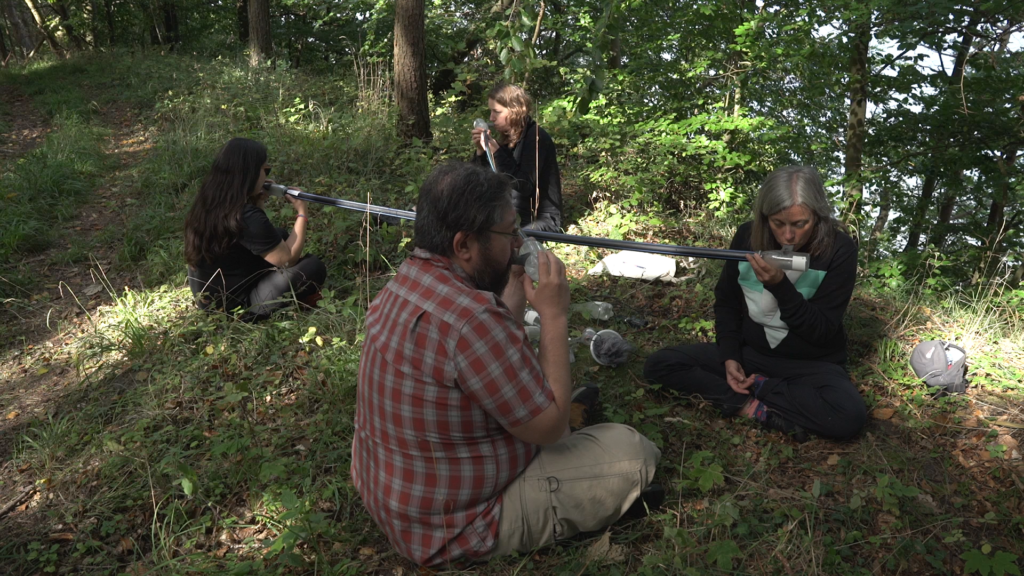
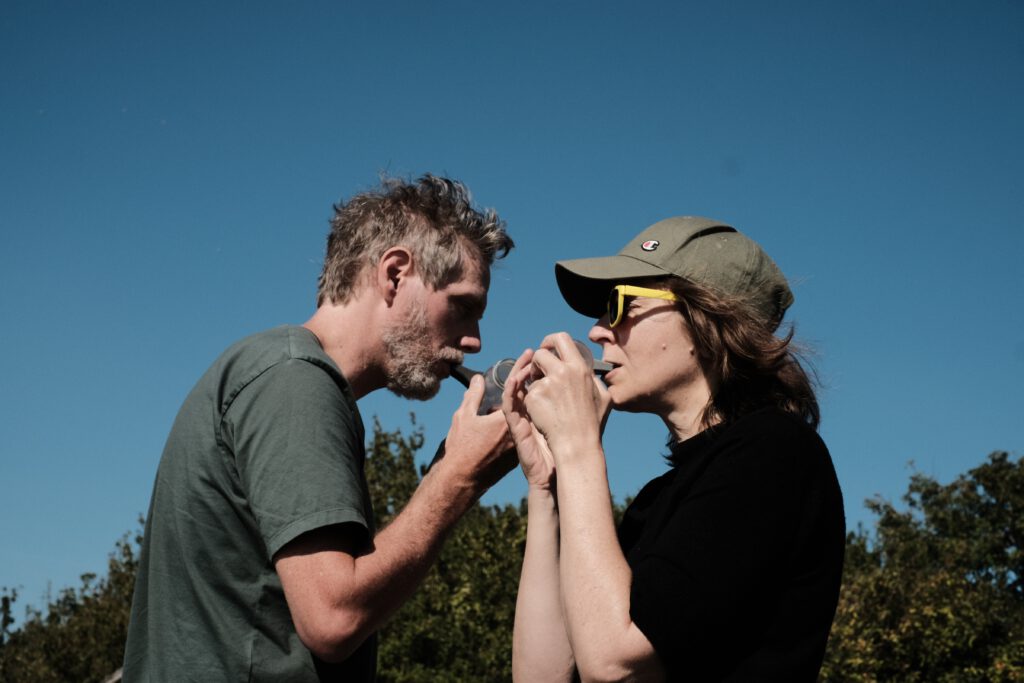
The Lapataia valley’s resonance space is an external void. Its prevailing elements are water and wind. Imagine bodies and voices in the winds. Imagine joining with your breaths, sounding tones without semantics.
Take a fragmentary wind instrument – a mouthpiece for PET bottles printed in Berlin, PET bottles from the flight to the southern hemisphere – the ubiquitous resonance chambers of our times.
Imagine to start separated in two groups from different entry points into the valley. Aim to meet at the Lapataia River and continue together to Bahia Blanca. When and how will you actually manage to meet?
The valley is part of the so-called “intercultural contact zone” (Selk’nam, Kawesqar and Yagán) located in Yendegaia National Park (YNP). What is a contact zone? A zone where prior separated entities have a possibility to meet. The valley is a walkable cut in the ice covered mountain ranges. A passage between different communities in the past. A meeting, a hike along the old suggested passage to activate its cultural presence. A collective practice of an interdisciplinary and intercultural contemporary group upwards the Lapataia river.
What would one essence or principle of contact be? Batimientos – Schwebungen – Sounding tones without semantics. When two close-by frequencies physically meet, they start to beat and a prior non existing third entity emerges.
Magallanes Iron Cycle + Nordstream Resynthesis
Traces of human cultural activities, conducted and carried by material and media, resonating through useless hollow infrastructures of oil extraction on a global scale.
–– Magallanes Iron Cycle by Raviv Ganchrow (Petrolium Silo), Nicolás Spencer (Gate) and Carsten Stabenow (Microphone)
flexi record
duration: 5:29 min.
year: 2021
audio on vinyl, stereo
and video
duration: 1:39 min.
year: 2022
single channel video, HD, stereo
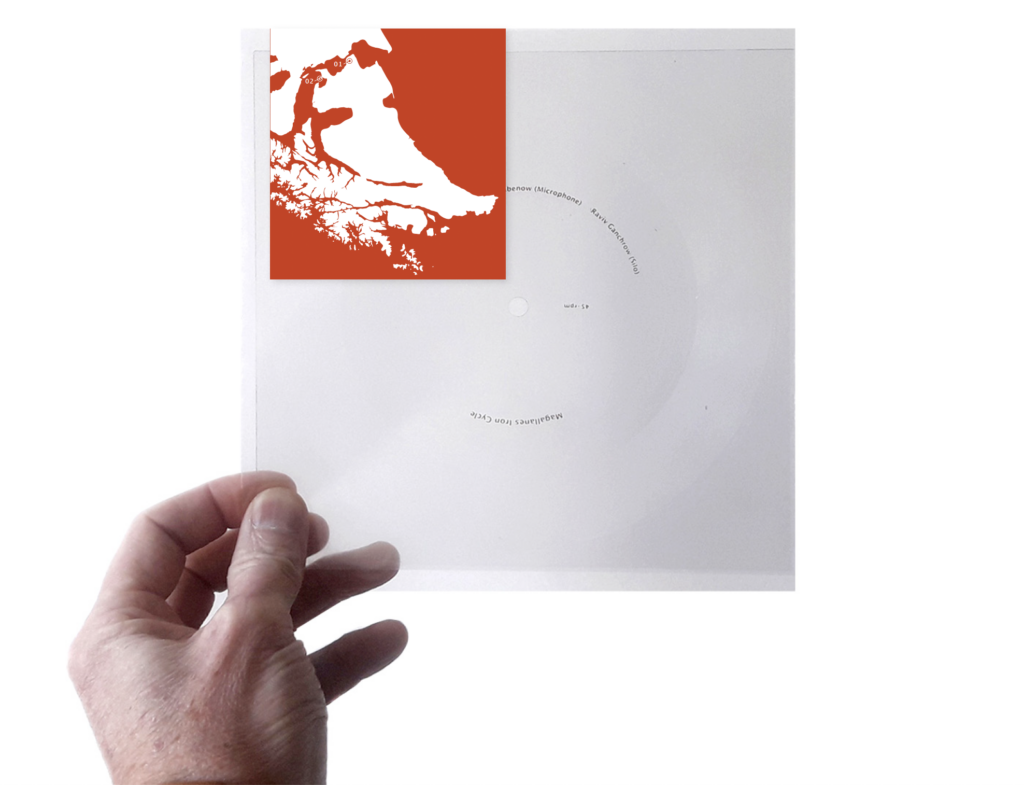
Recording of a swing-gate on lighthouse access road, route 257, played back in an abandoned petroleum tank, Puerto Percy, during the onset of a windstorm.
–– Nordstream Resynthesis by Raviv Ganchrow
duration: 5:51 min.
year: 2023
single channel video HD, stereo
Playback / recording of seismogram resynthesis from Nord Stream pipeline explosion, September 26, 2022, through a 21.5 meter-long section of the Nord Stream pipeline at the port of Sassnitz-Mukran.
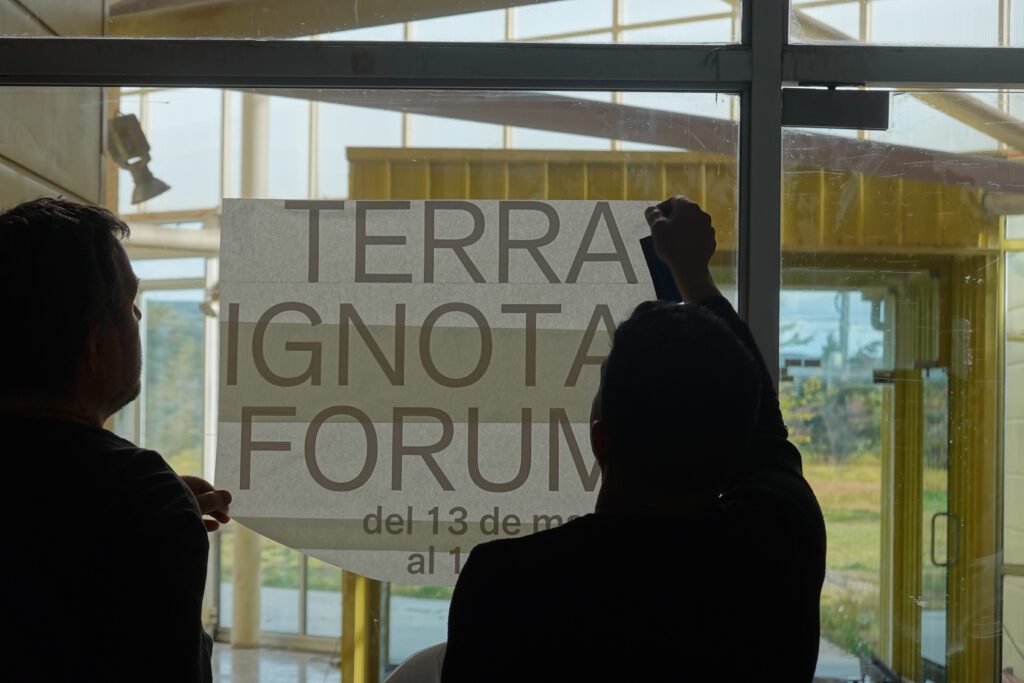
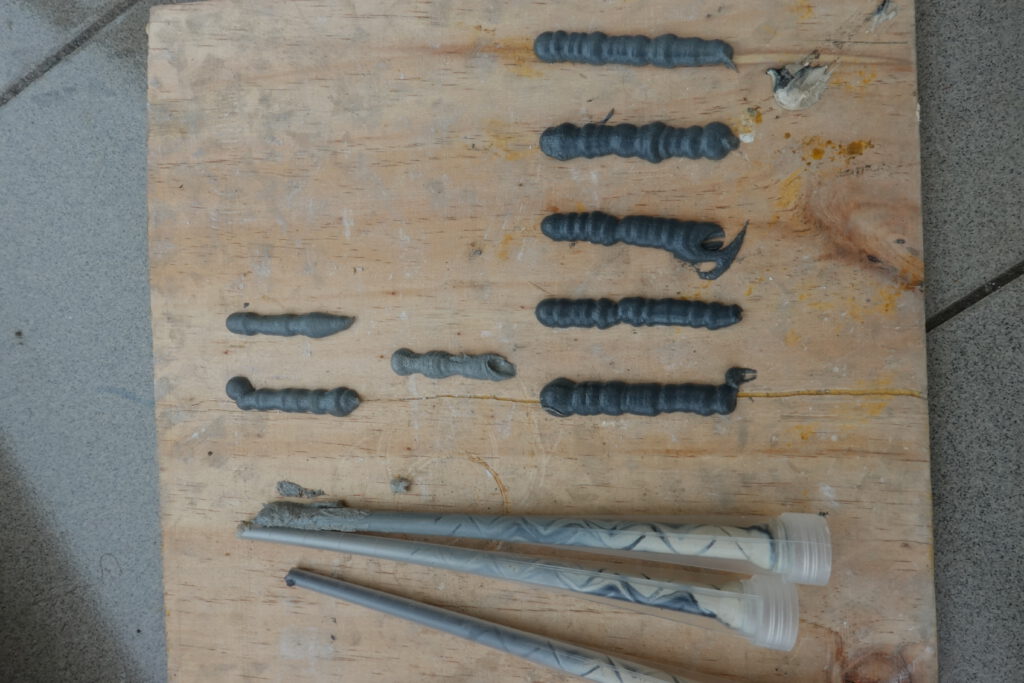
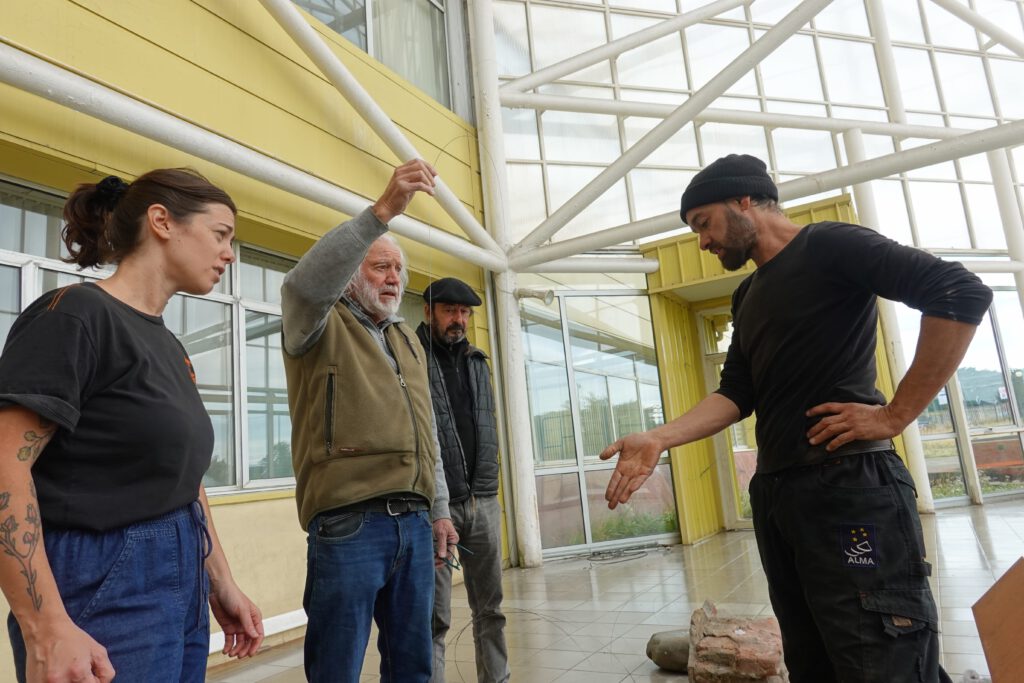
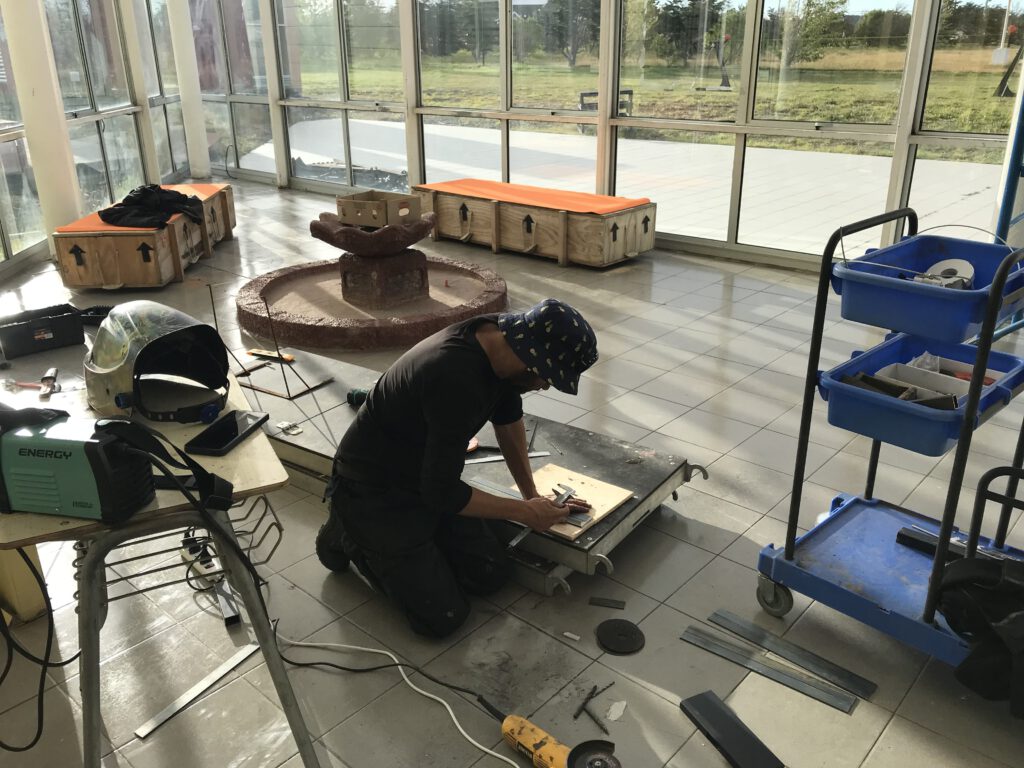
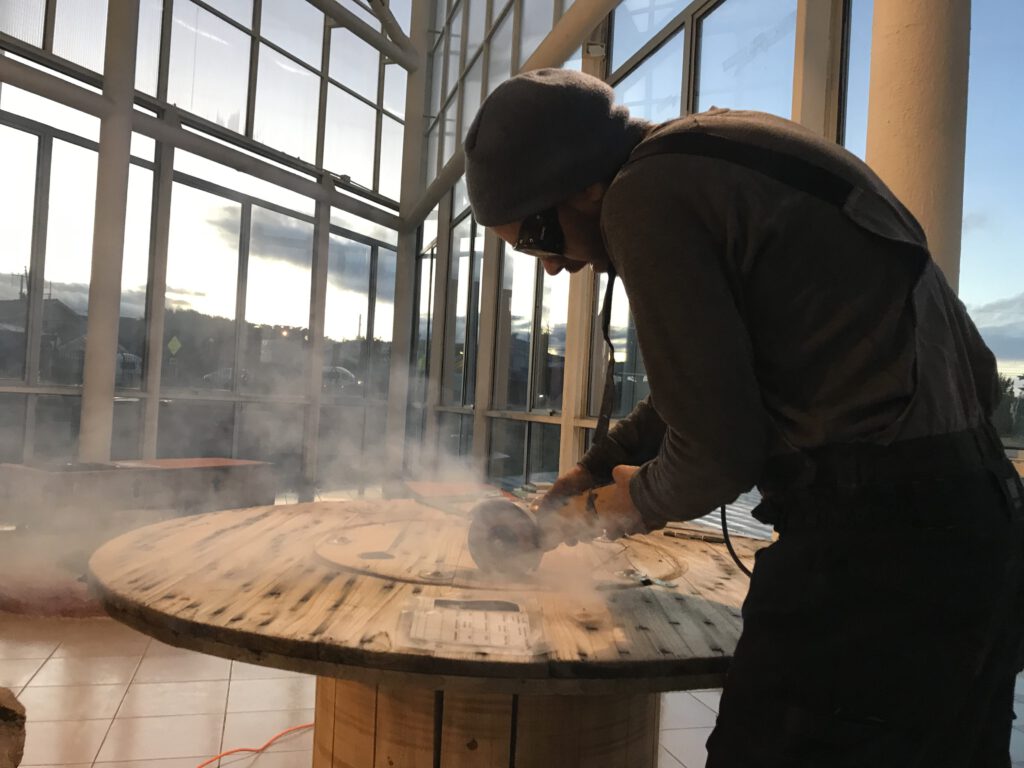
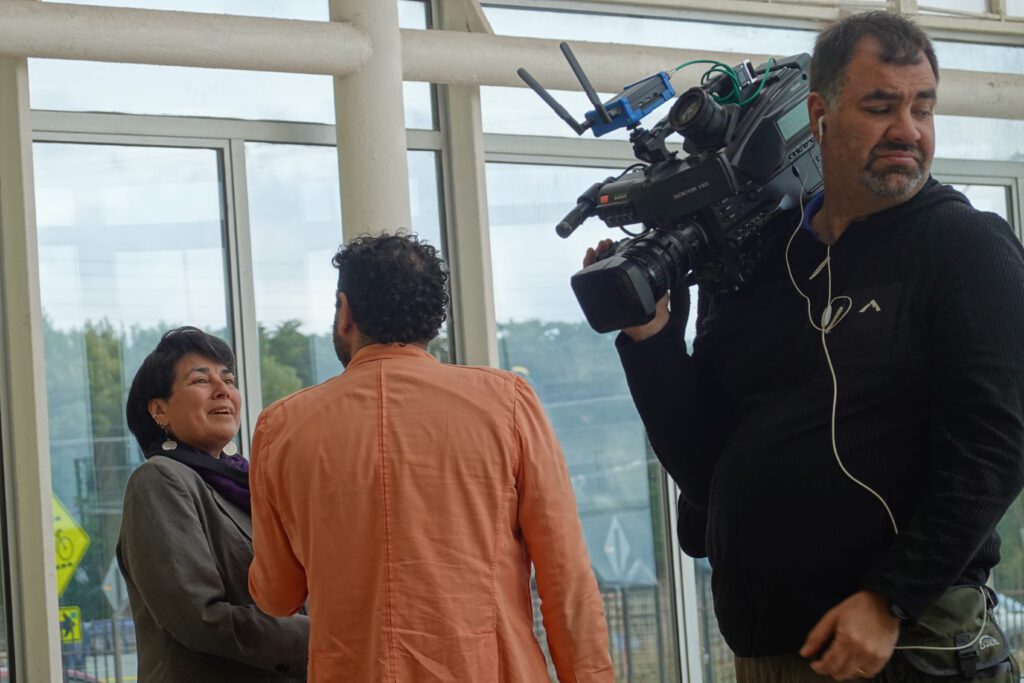
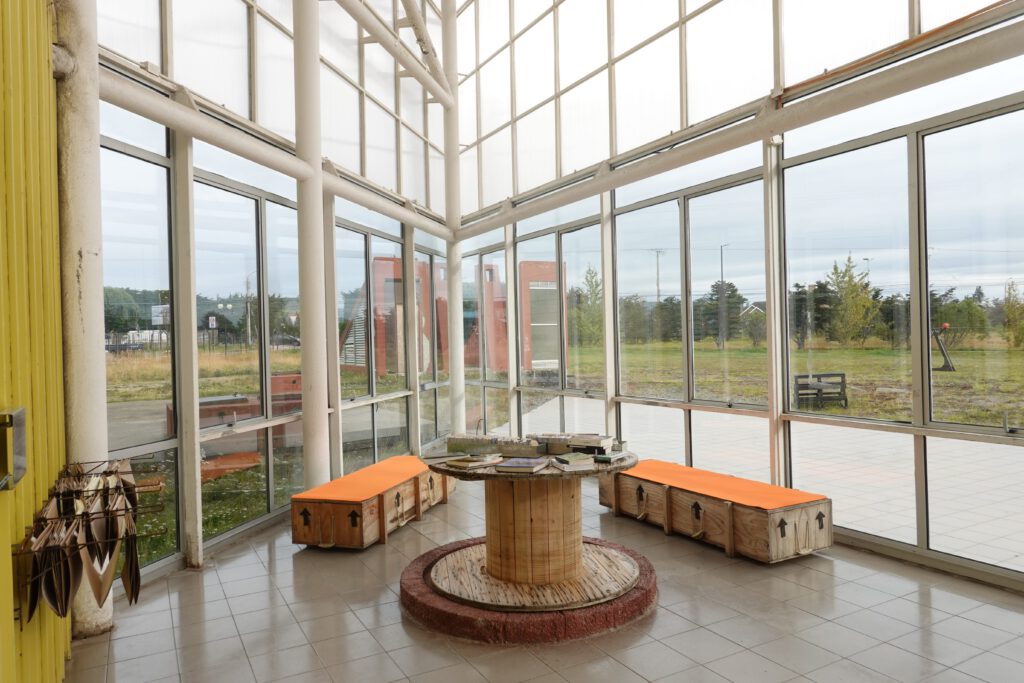
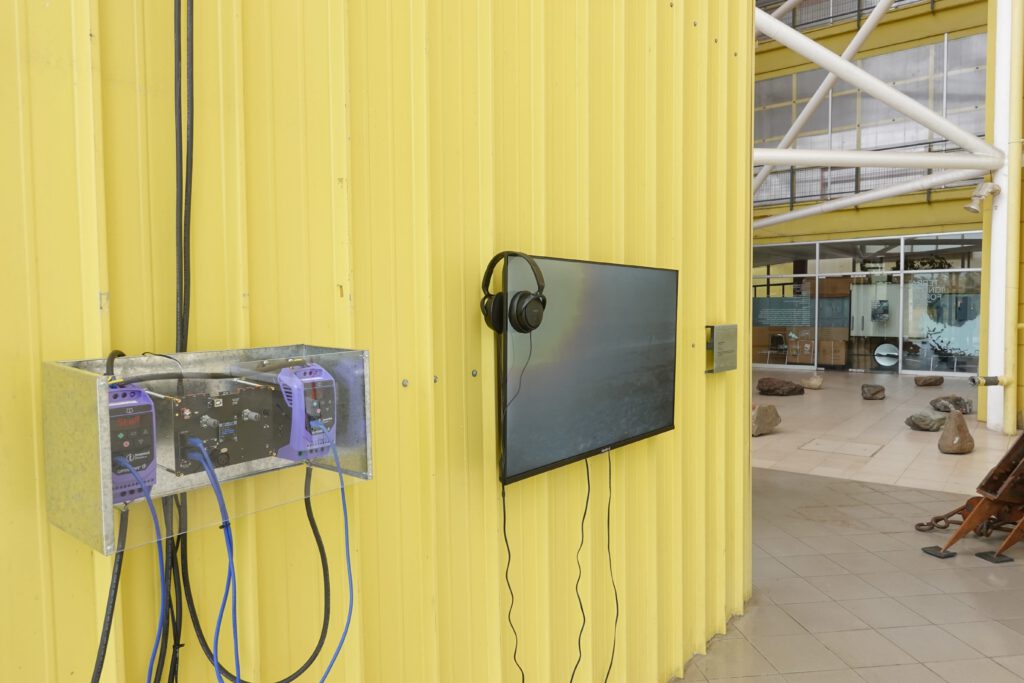
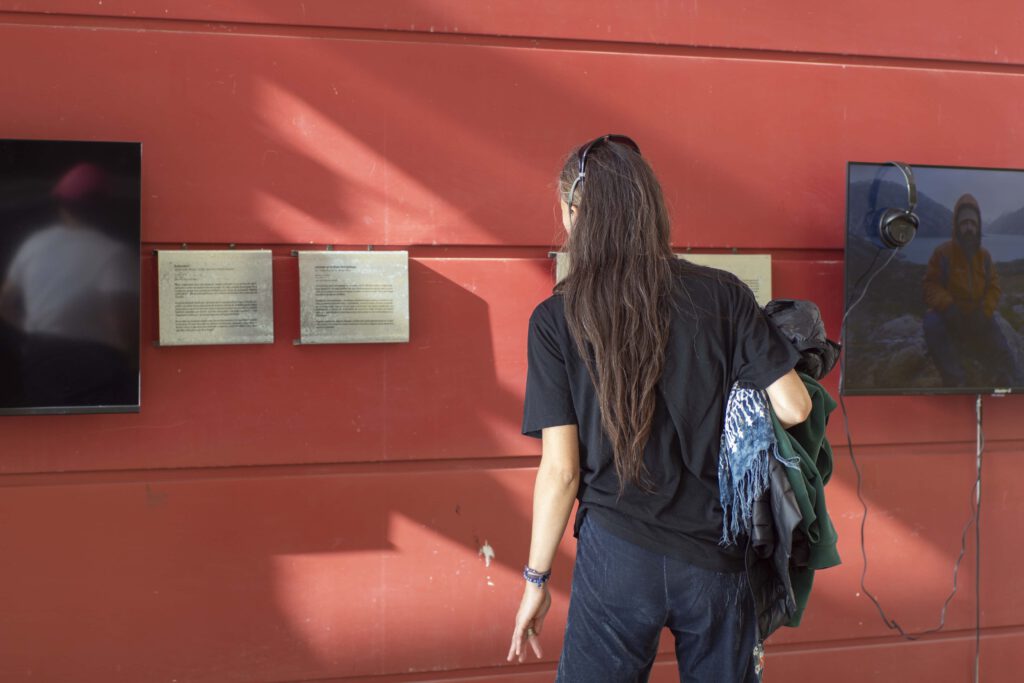
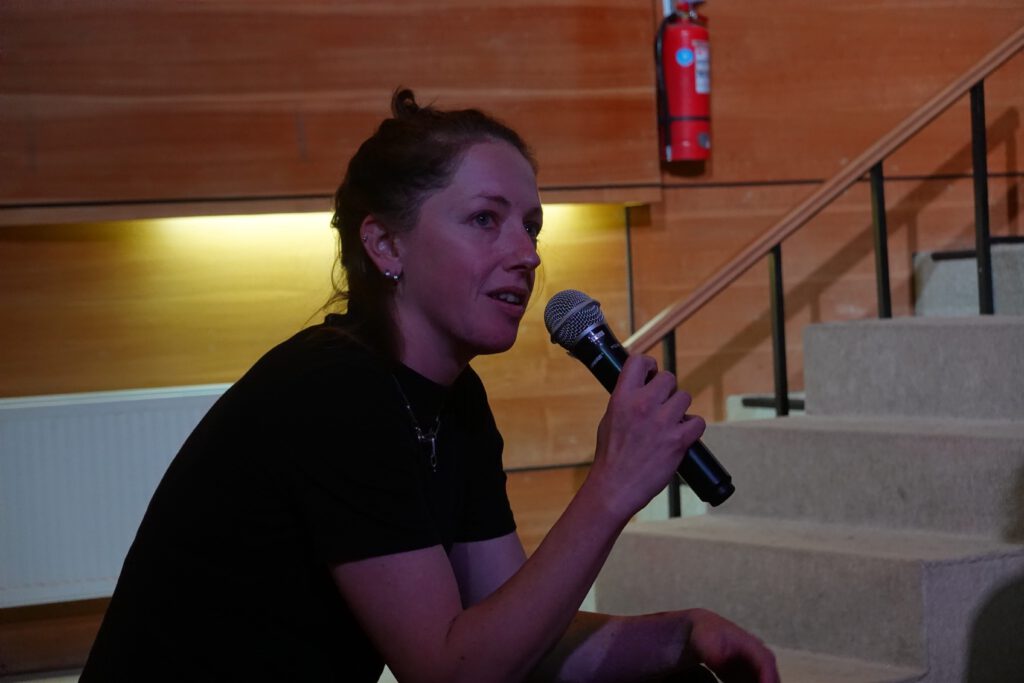
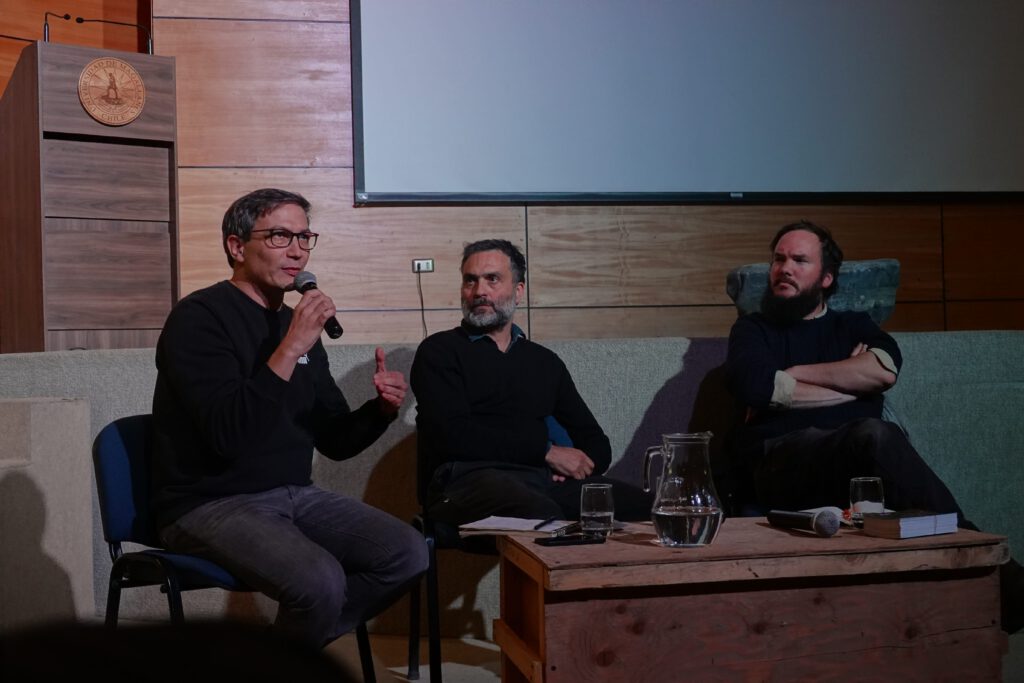
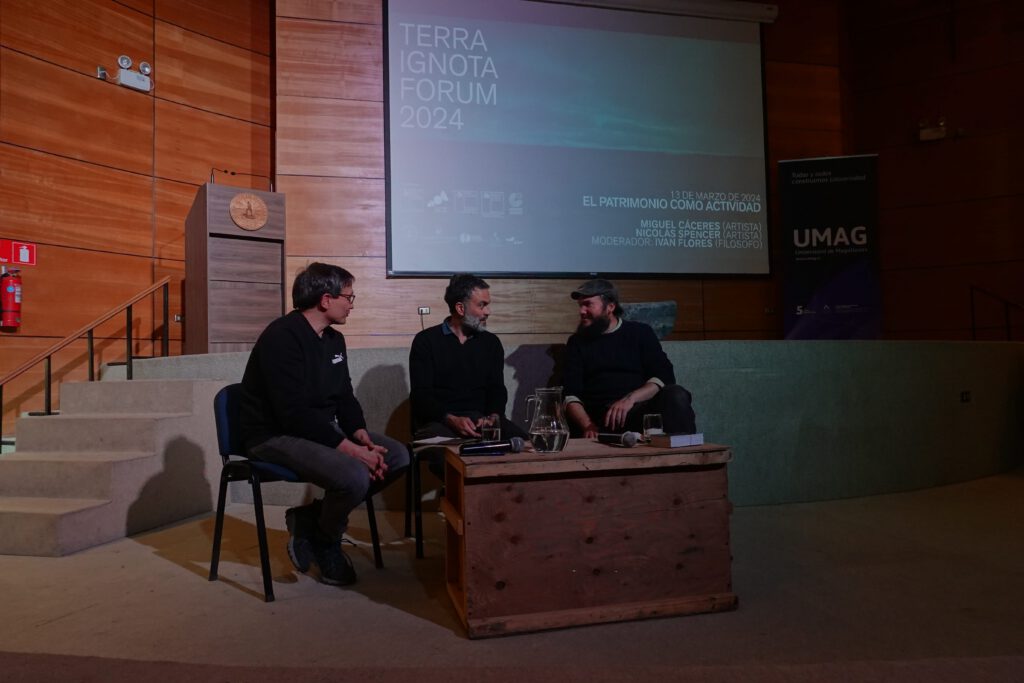
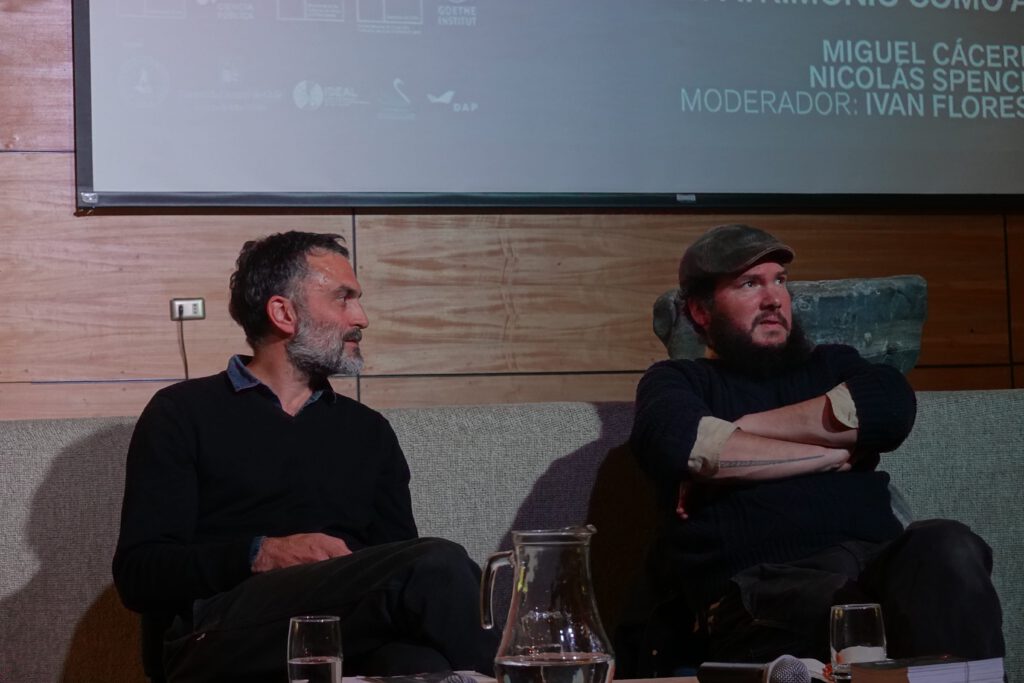
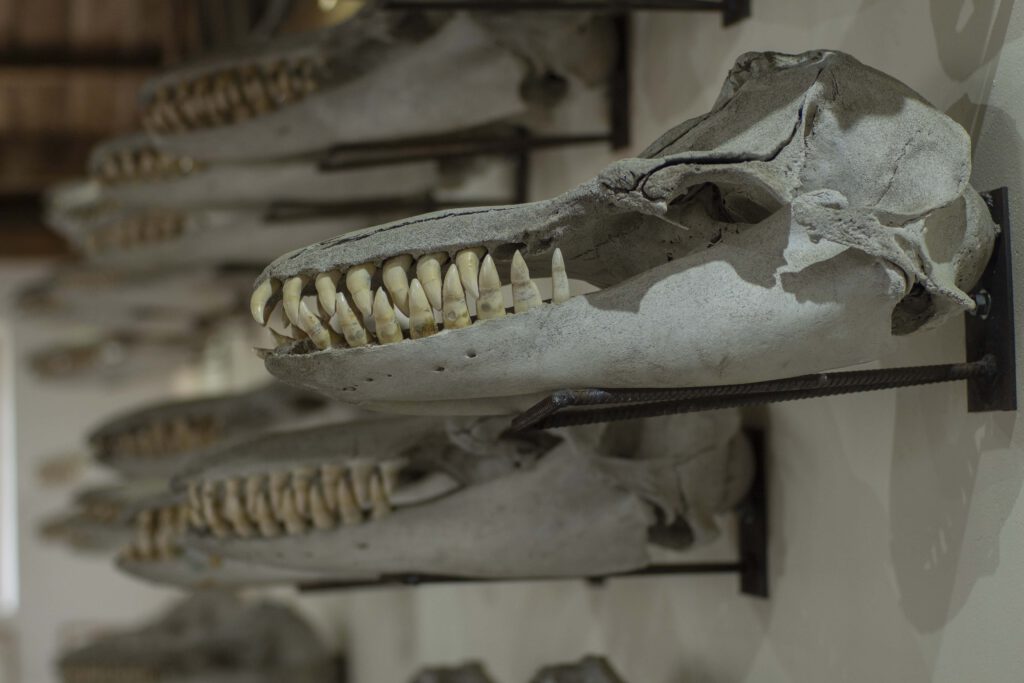
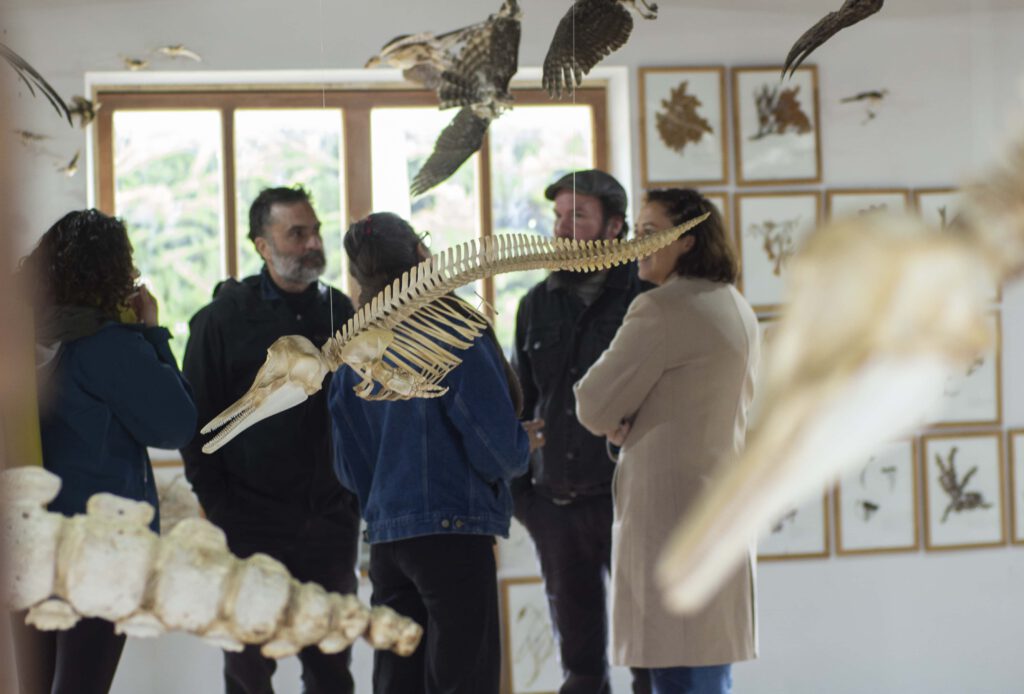
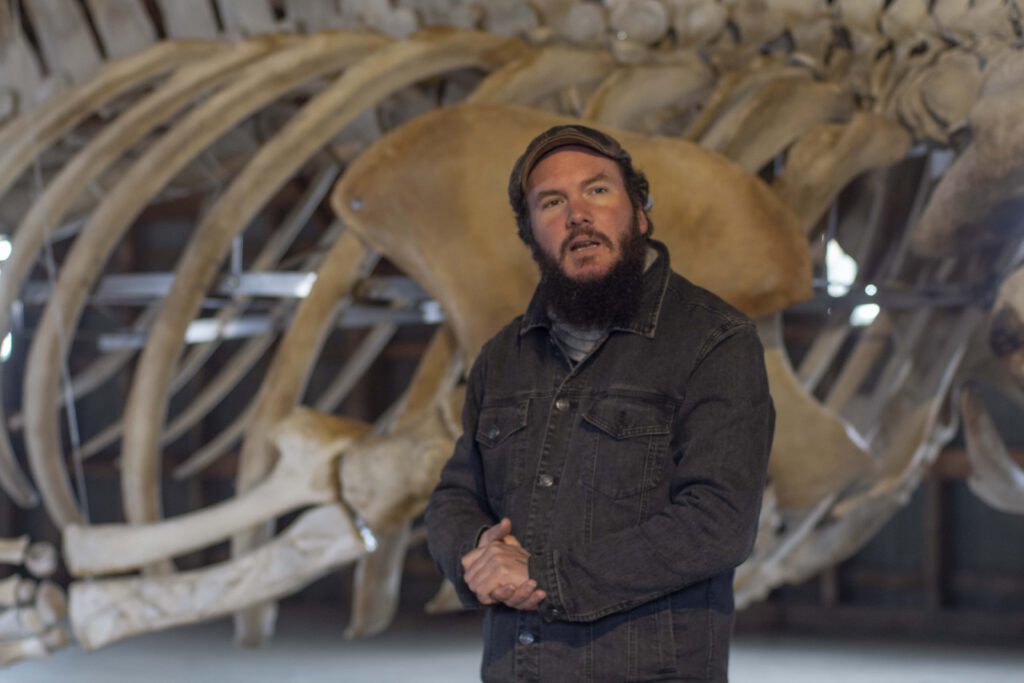
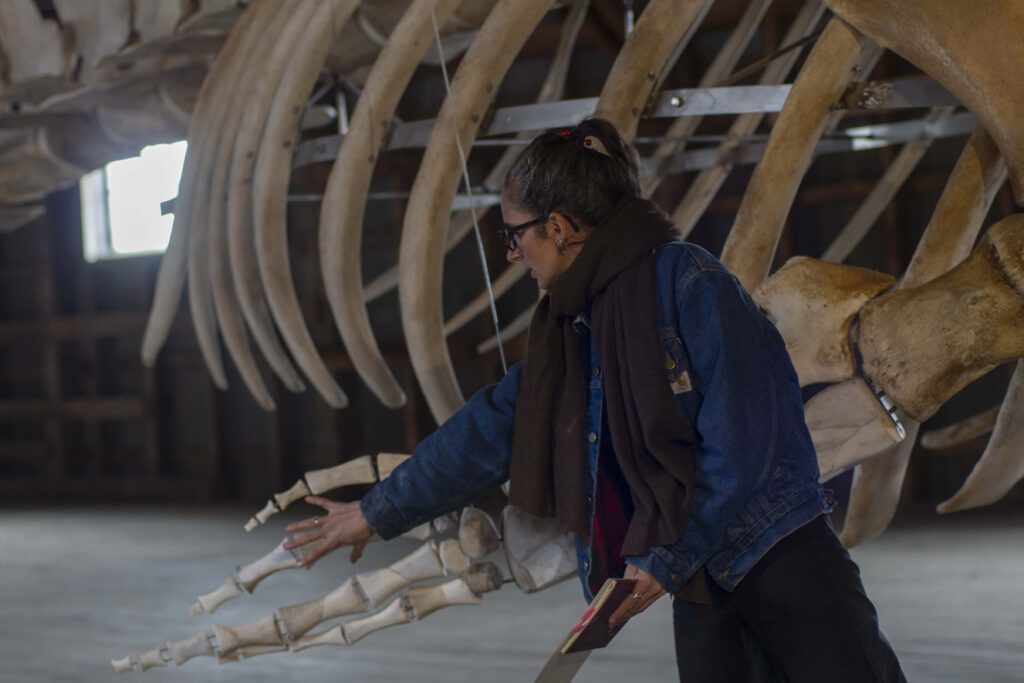
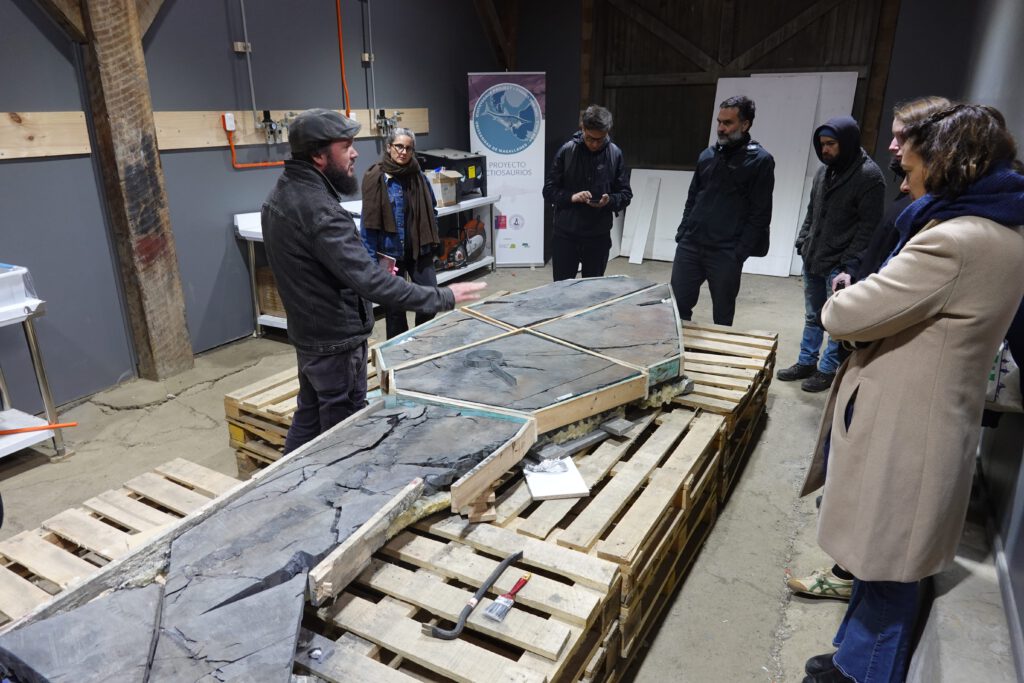
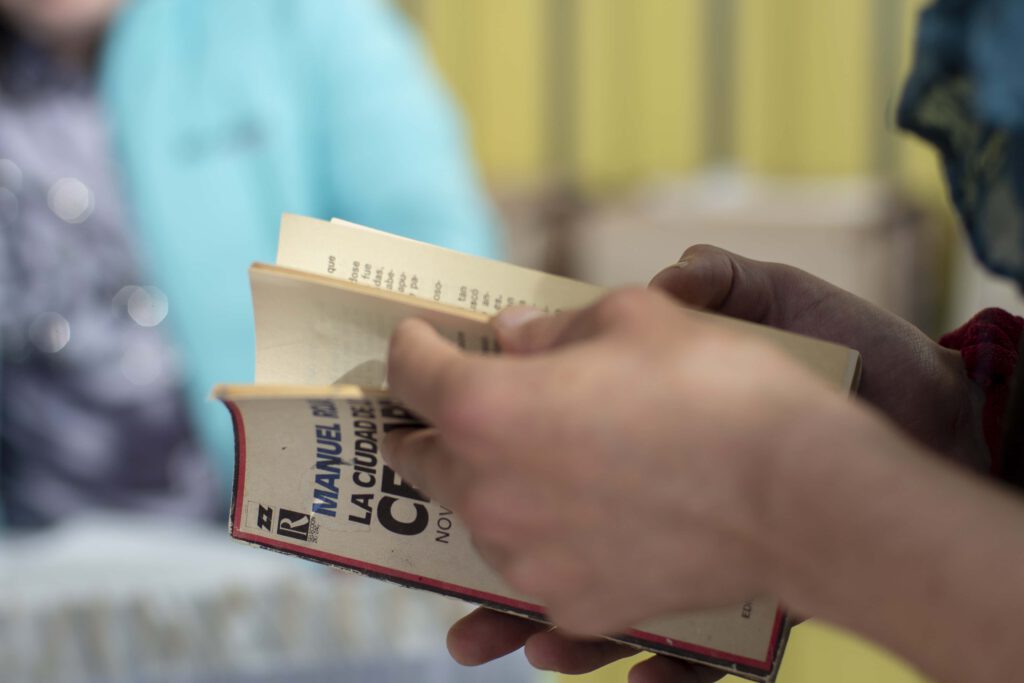
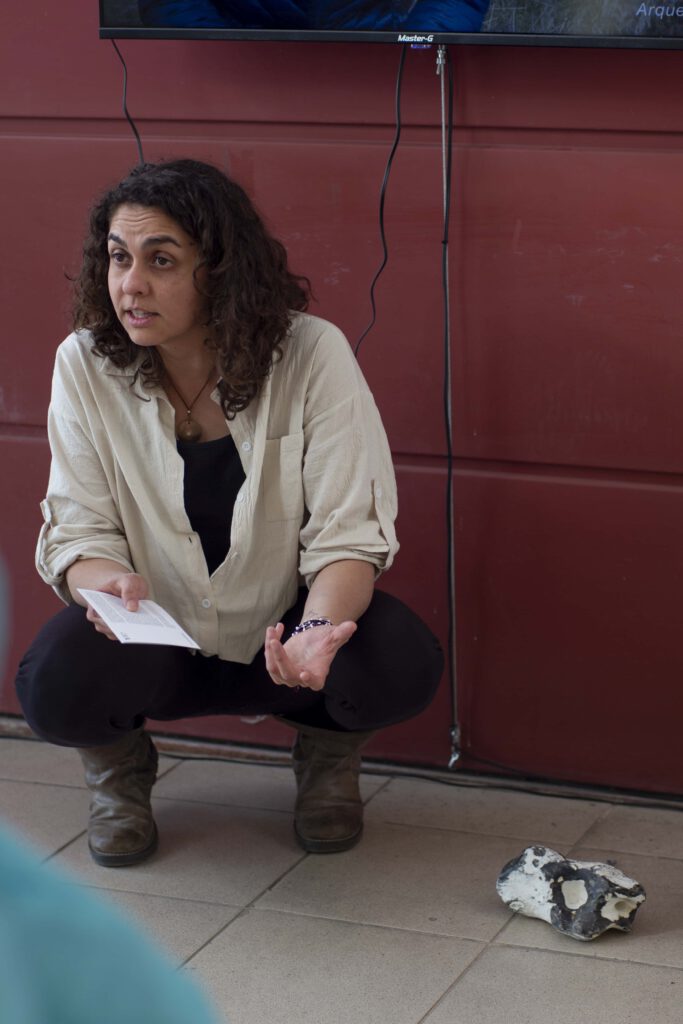
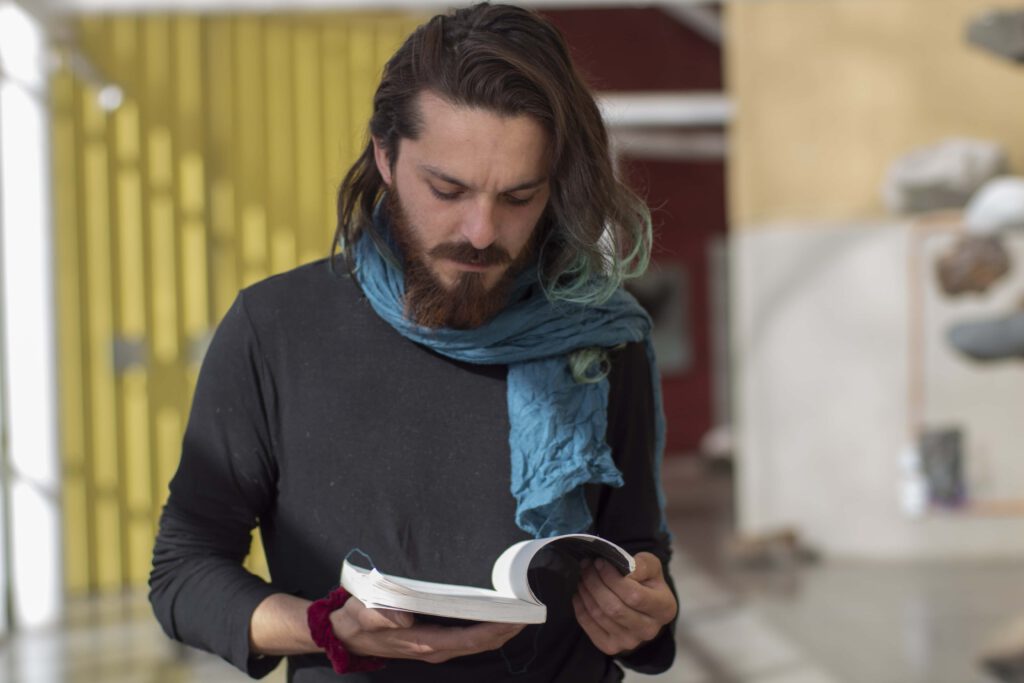
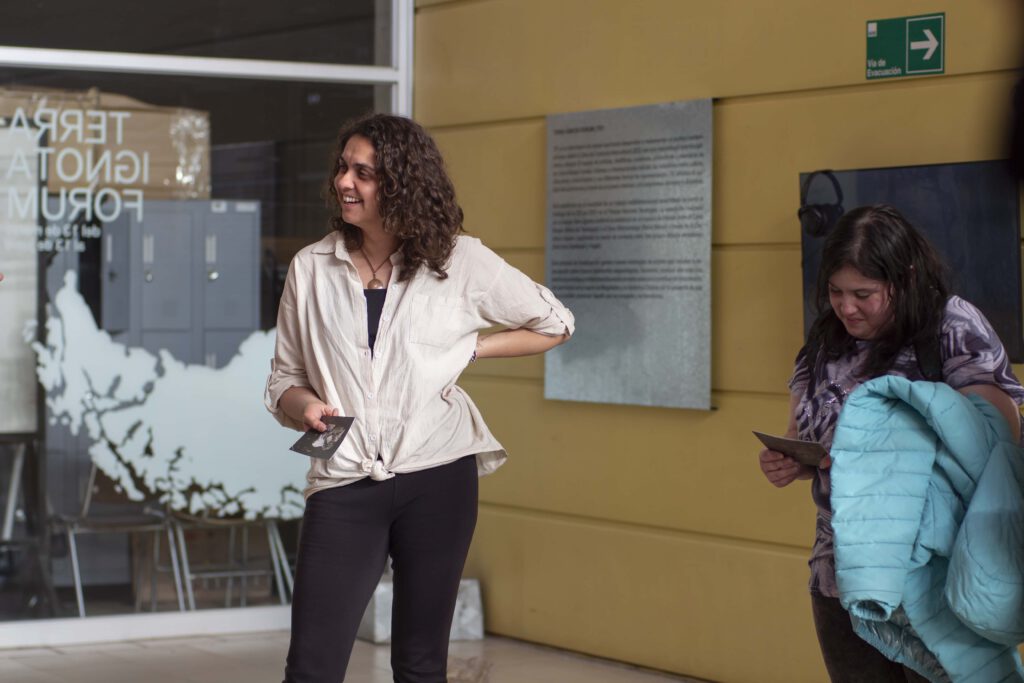
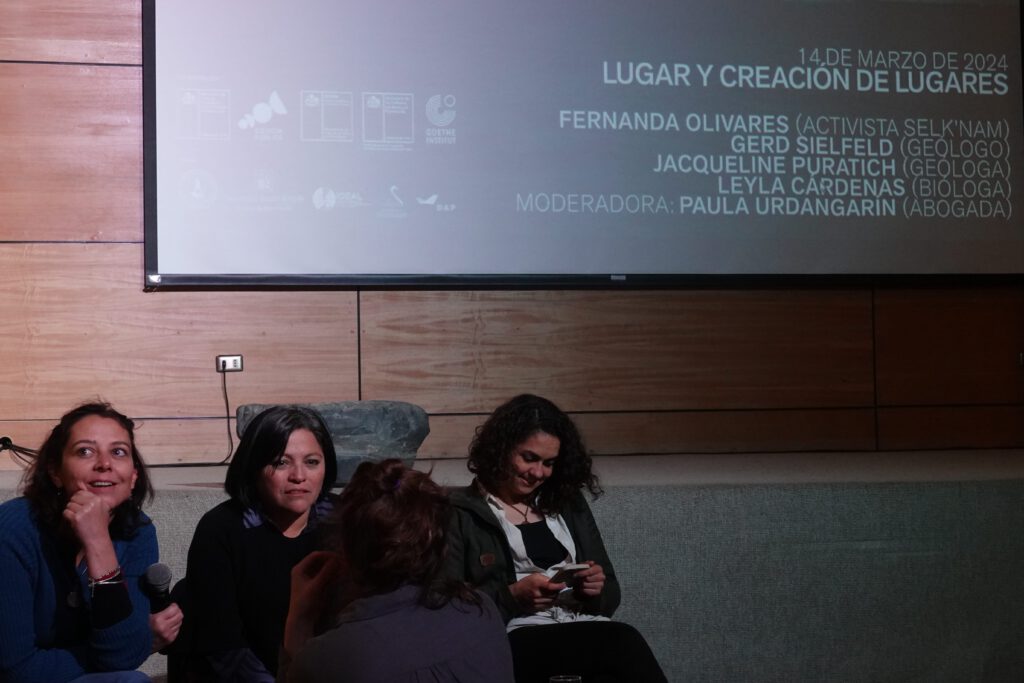
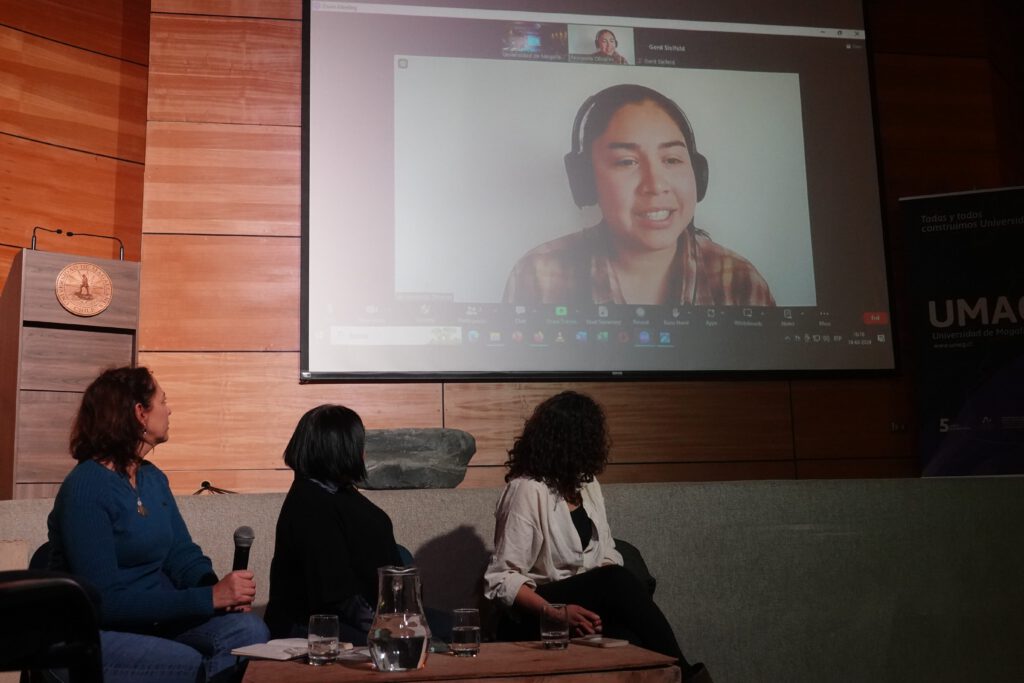
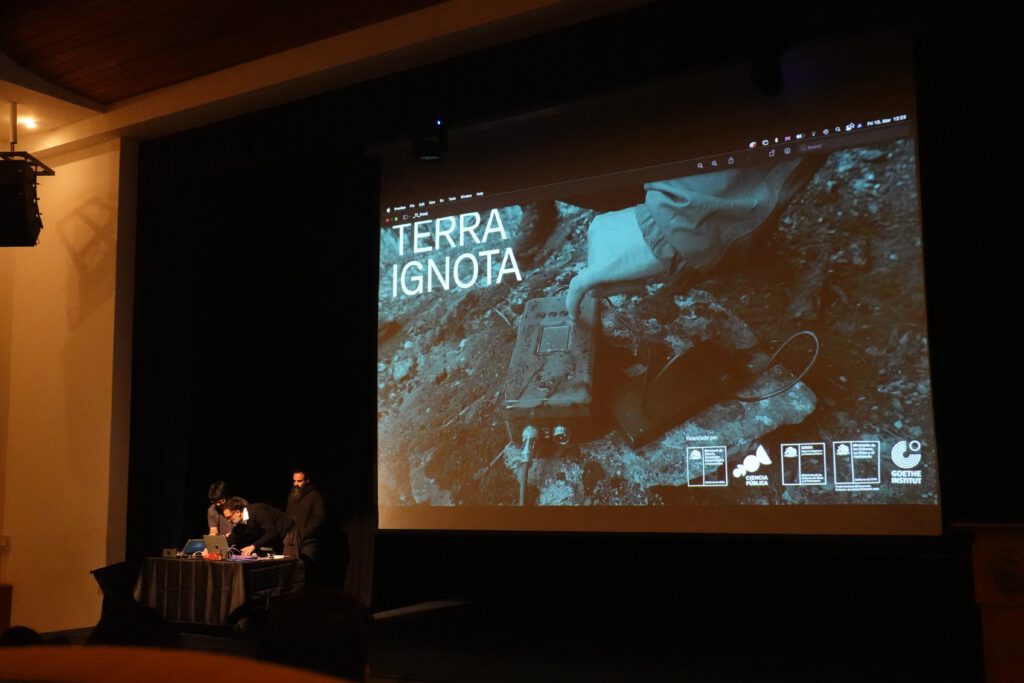
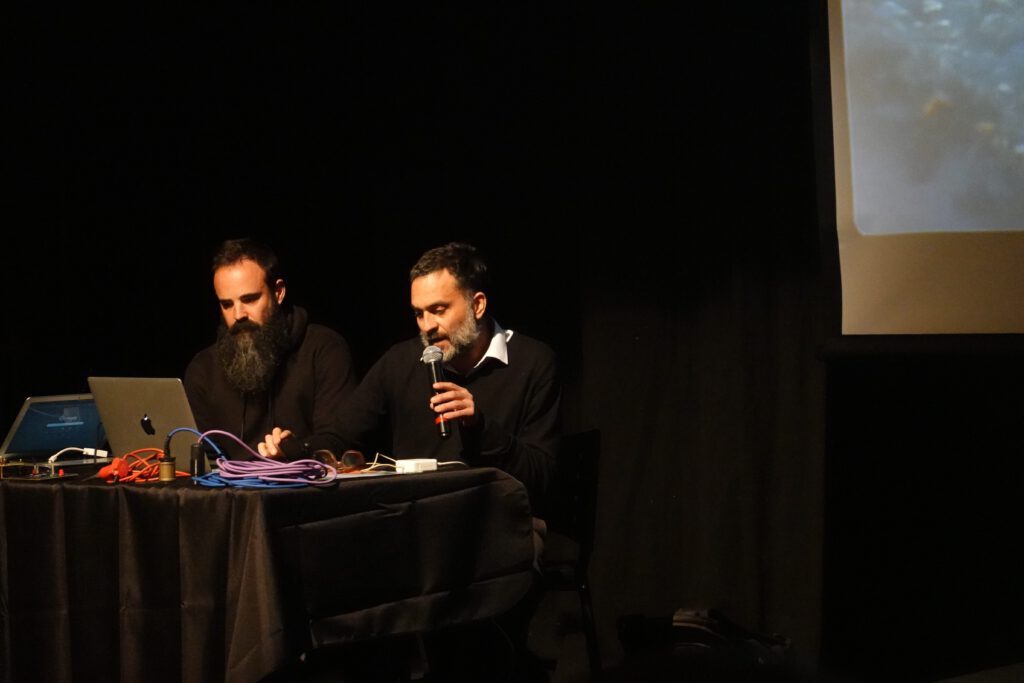
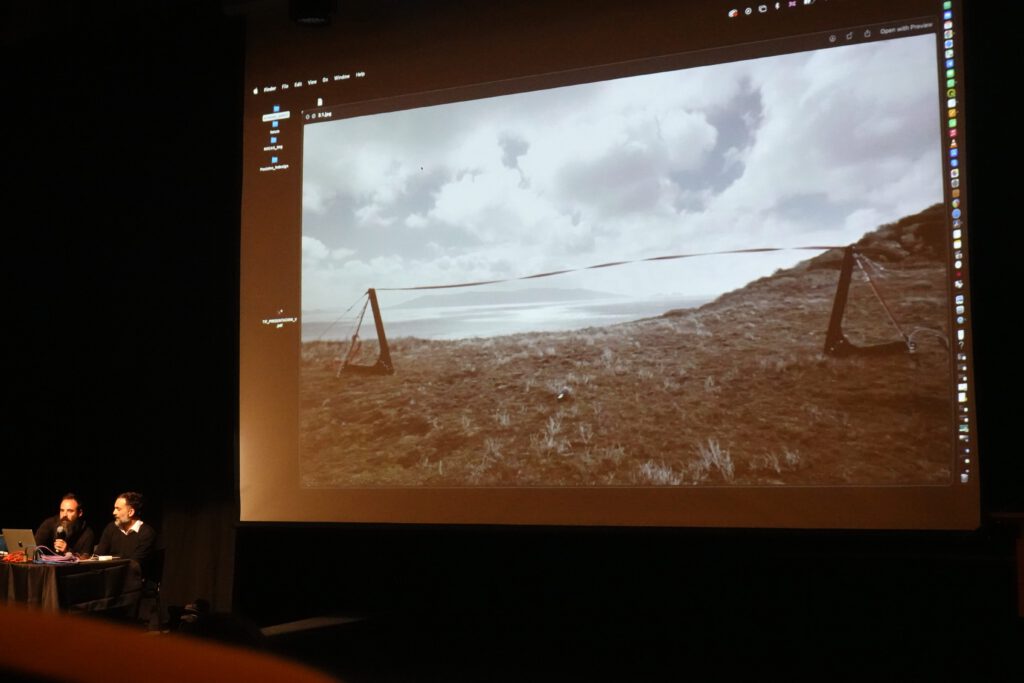
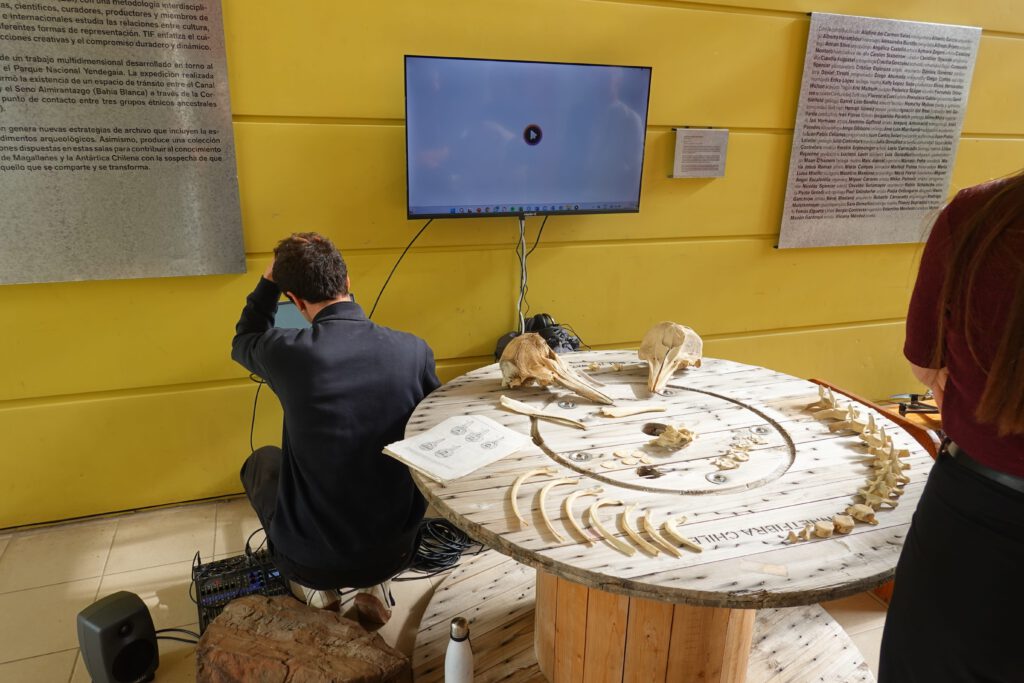
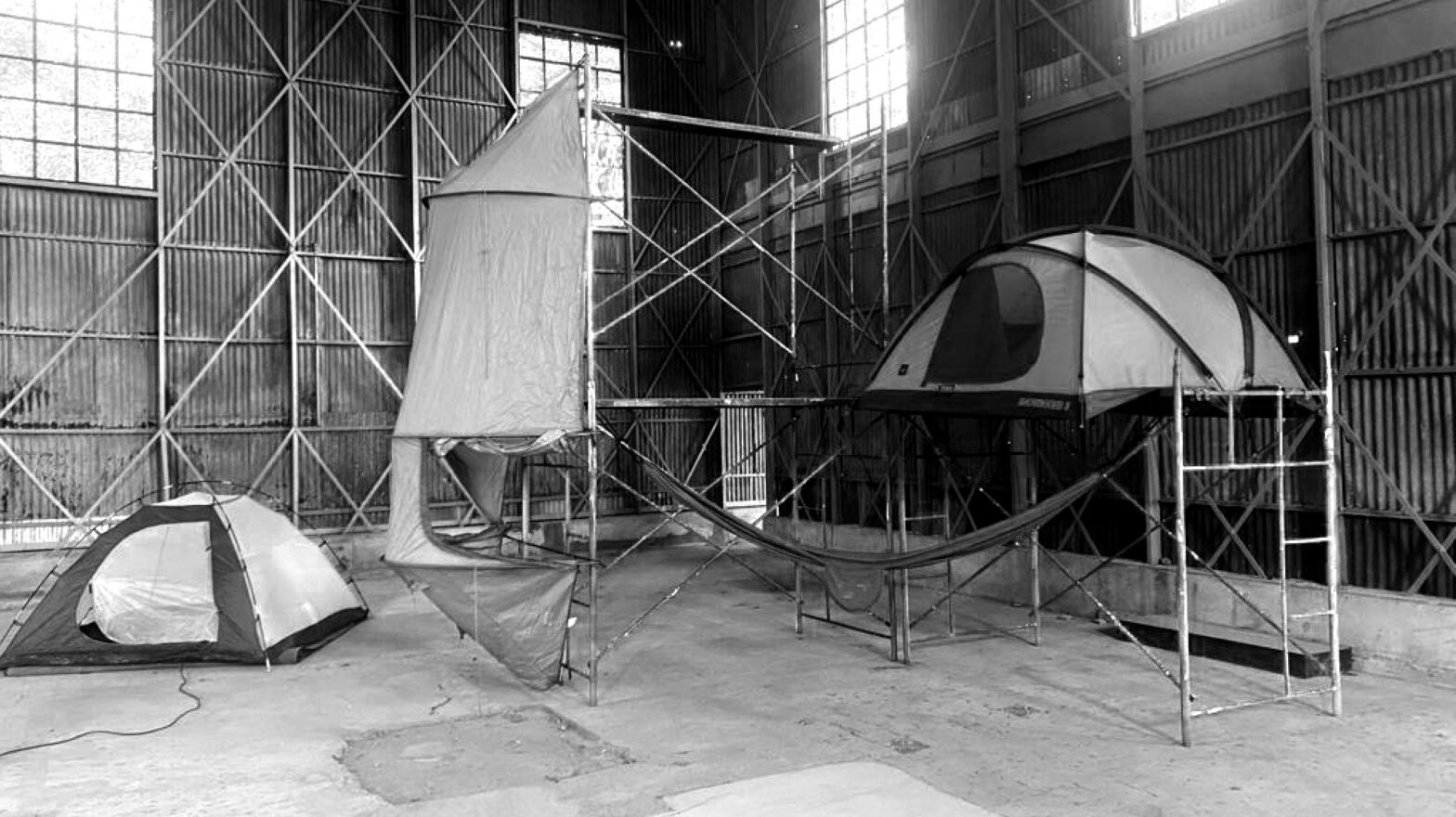
Below a few impressions from the exhibition and set up.