> projects / 2023 / Sonic Islands / documentation / participants
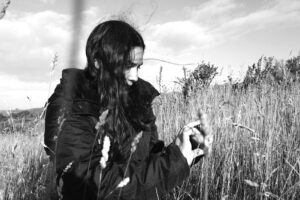
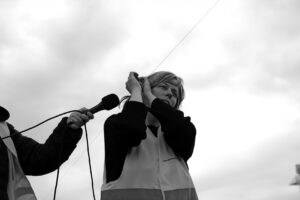
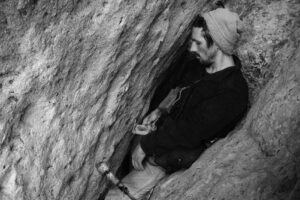
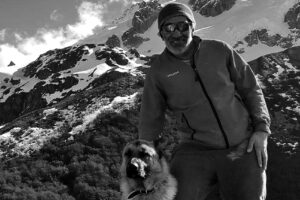
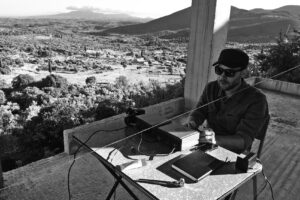
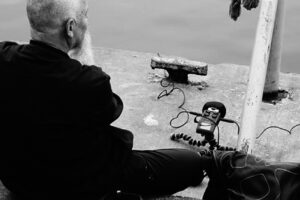
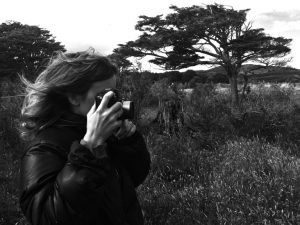
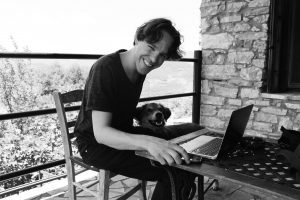
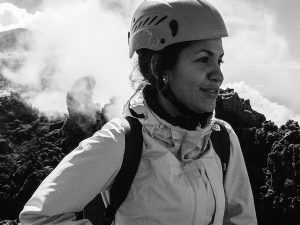
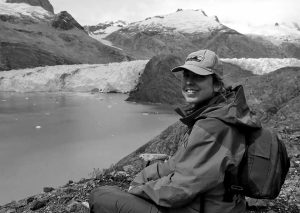
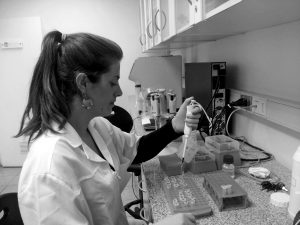
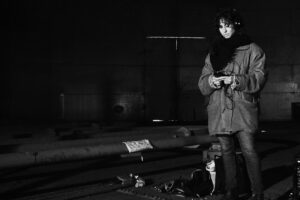
All participants of SONIC ISLANDS:
> projects / 2023 / Sonic Islands / documentation / participants
All participants of SONIC ISLANDS:
> projects / 2023 / Terra Ignota Forum / background / documentation / participants
All participants of TIF 2023 (field trip + forum):
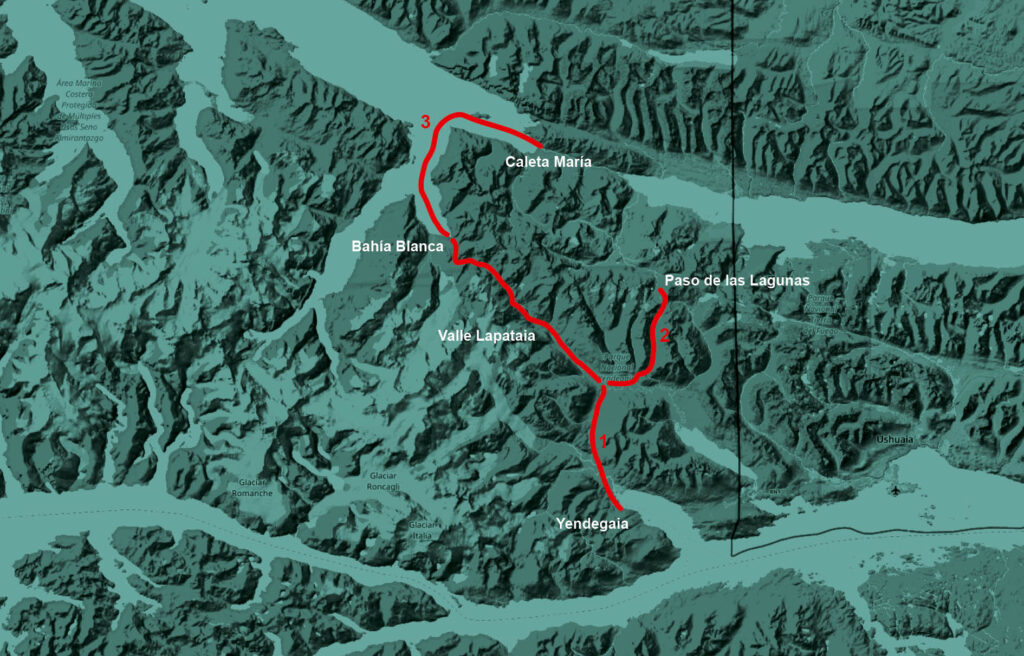
Terra Ignota Forum / Field Trip #04 will access the so-called “intercultural contact zone” (Selk’nam, Kawesqar and Yagán) located in Yendegaia National Park in 3 groups from different directions:
Route 1:
Access route from Yendegaia. Possible access route from the Yagan community to Bahía Blanca.
You can follow group 01 in realtime here from March 3rd on.
Route 2:
Land access by Route Y-85. Descent to Lapataia Valley on foot by the walkable access route.
You can follow group 02 here from March 1st on.
Route 3:
Almirantazgo Sound – Parry Fjord. This maritime access route to Bahia Blanca.
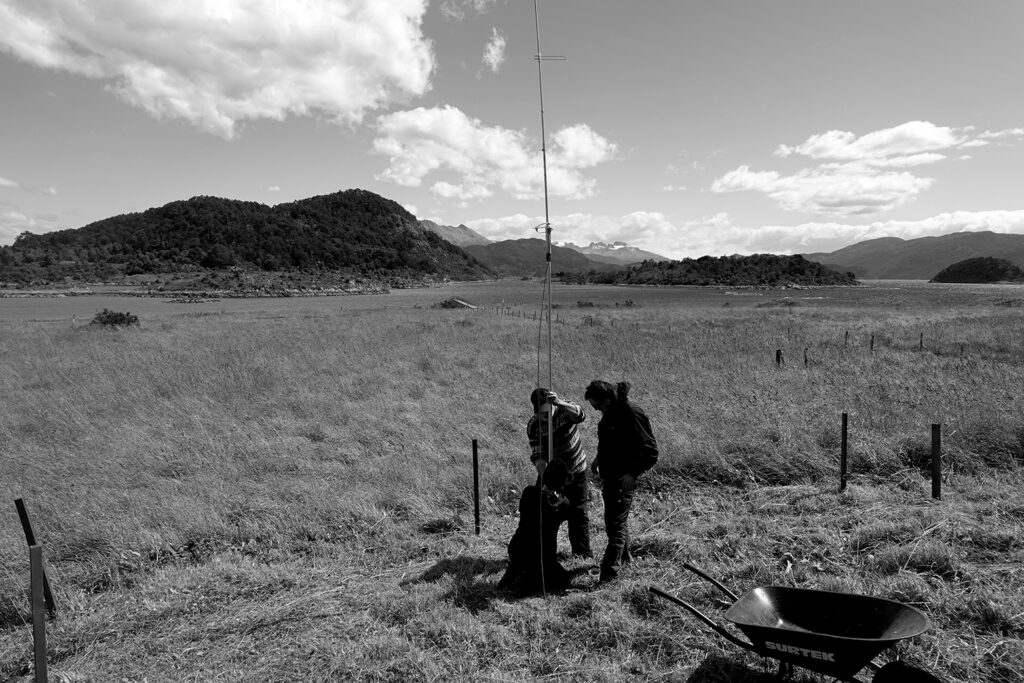
During this year’s exploration, we will install a radio studio in the former Wulaia station and broadcast daily. We will continue the research in situ, offering listeners a perspective on different projects while experimenting with the radio format itself. ...
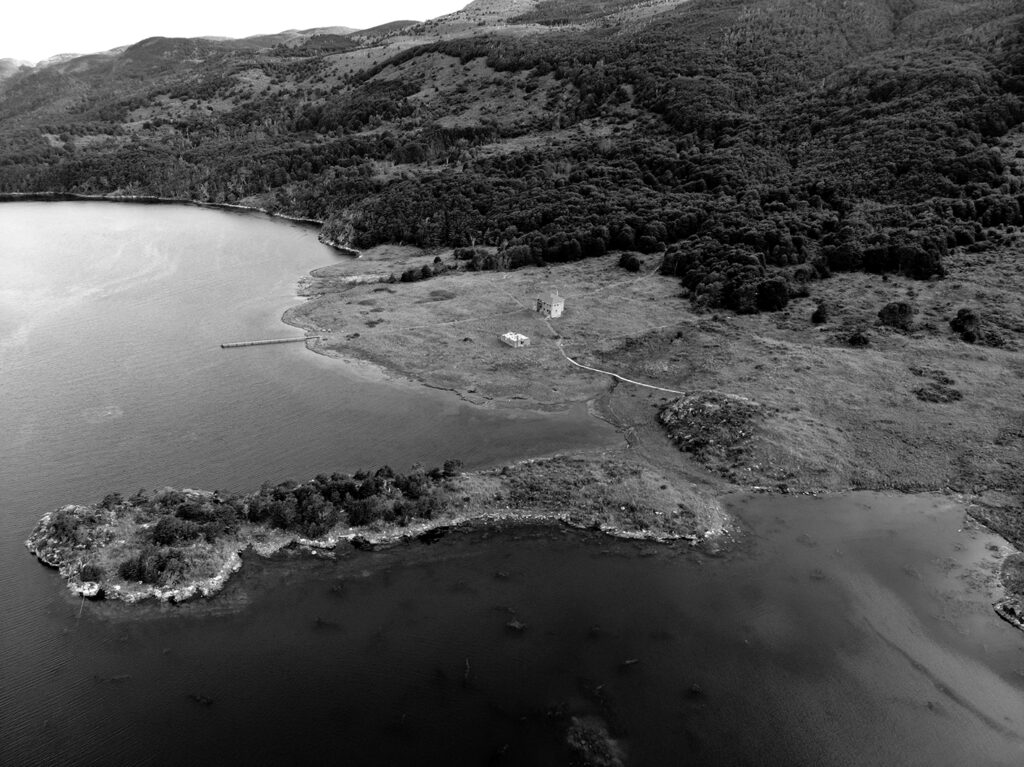
The Cultural Agglomeration Zone project investigates the accumulation of cultural, historical, and environmental layers in Bahía Wulaia and Seno Ponsonby (in the Cape Horn archipelago).
Indigenous habitation, over prolonged periods of time, is also understood as a sustainable model from which to gauge current transformations in the region. The effects of climate change in Ponsonby can be observed in real-time through precipitation patterns and vegetation as well as the rapid growth in maritime logistics and expanding Antarctic route linked with the politics and economics of the thawing polar region. This increasing global pressure threatens the fragile local heritage and its uniquely rich sub-Antarctic oceanic ecosystem. Ancient forests, lichen cultures, peat- and wetlands, rivers, and marine habitats and migration channels become increasingly vulnerable in a geopolitical zone that has long been shaped by territorial disputes that ignores this ecological fragility. ...
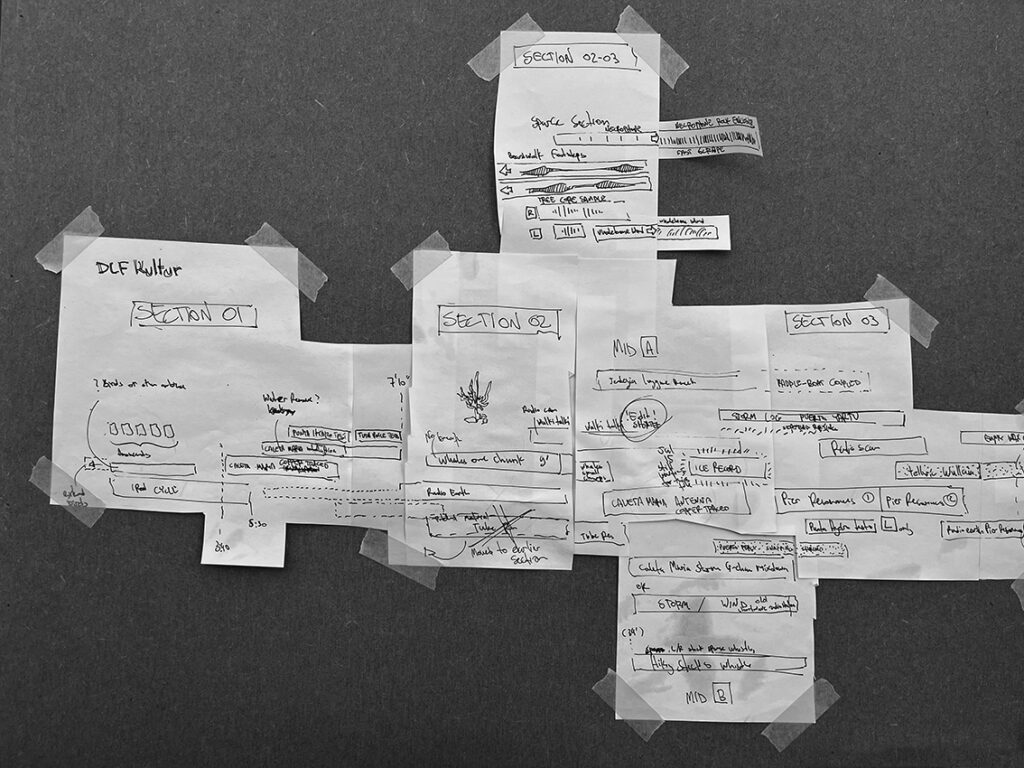
This audio montage consists of raw location recordings, with no added audio effects, tracing a research journey through Chile’s southernmost regions (Tierra del Fuego and Navarino Island) to the decommissioned radio station at Wulaia Bay. The piece weaves together diverse auditory traces from above and below the waterline, including the murmurs of weather and foliage, the ...
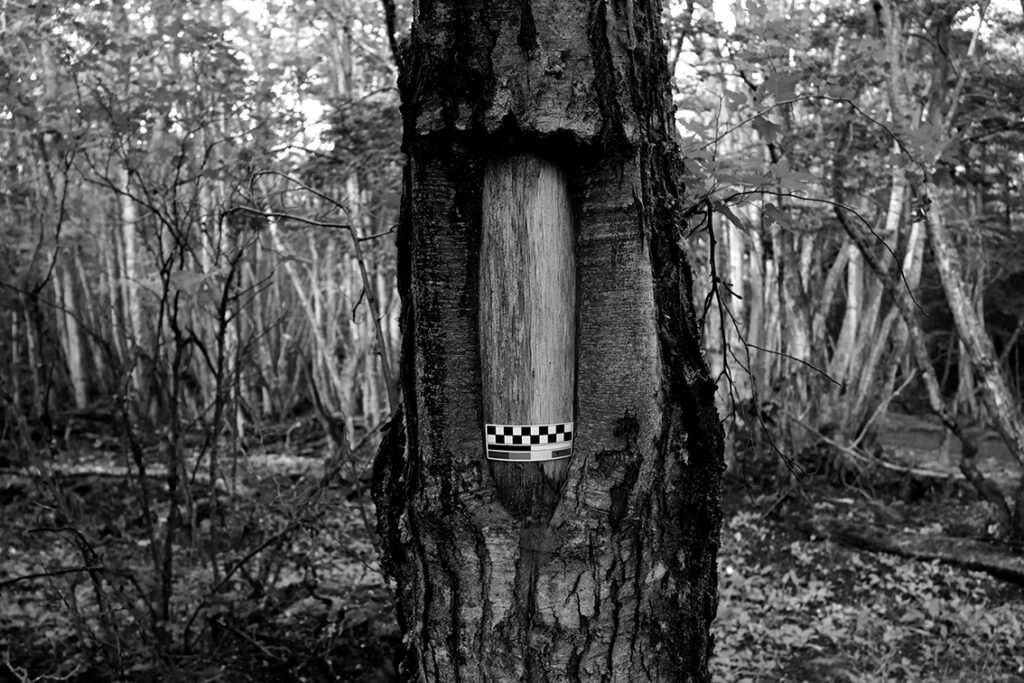
Since 1967, Villa Ukika —founded as part of state relocation policies— has been the main Yagán settlement on Navarino Island, in the heart of the Fuegian archipelago. In its surroundings, the Ukika Municipal Park stands out as a true living archive of ancestral knowledge and history, thanks to the presence of at least 103 documented Culturally Modified Trees (CMTs) to date. ...
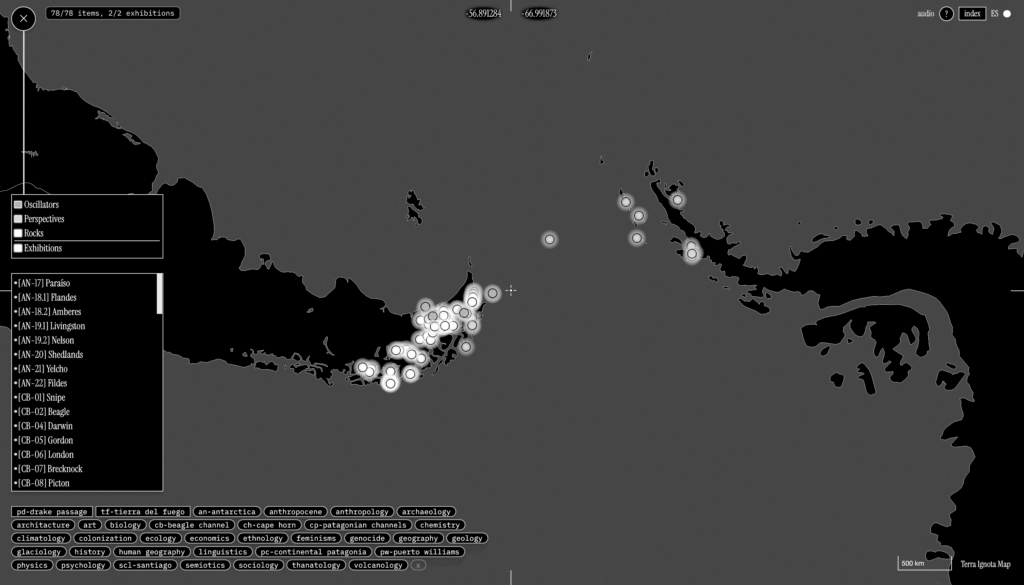
This application is designed to distribute the content stored in rocks, wind, and the gaze of a subjective observer along 1000 km of the fire-patagonian territory. The platform functions as a map that transcends the three Cartesian planes that delimit it, managing information that integrates spatial, temporal, and sensory dimensions. ...
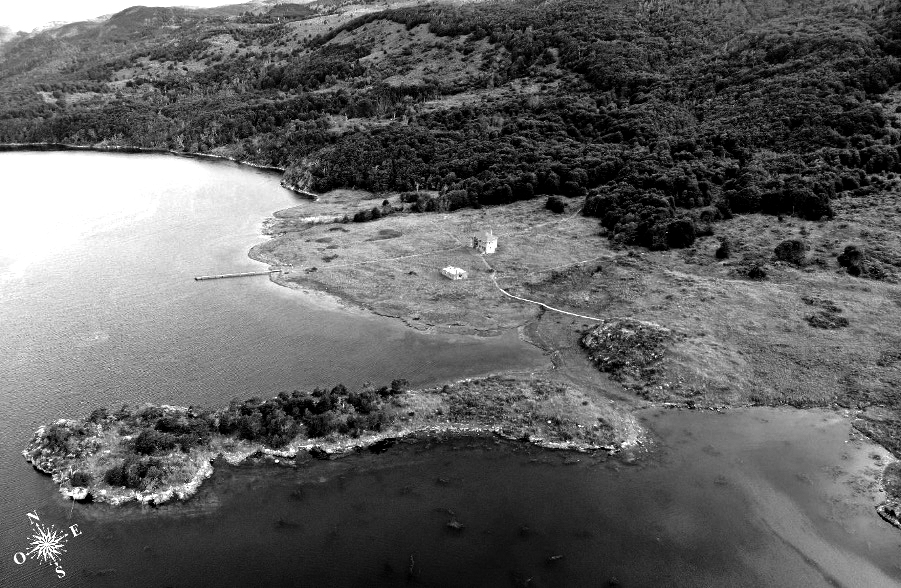
by Robert Carracedo Recasens Wulaia Cove is located south of the Murray or Yagashaga Channel, northeast of Ponsonby Seno, also called Agā́i̯ya by the Yaghan community. It is a cove sheltered from the south and southwest winds by a group of small islands and islets. It has abundant fresh water thanks to the Matanza River ...
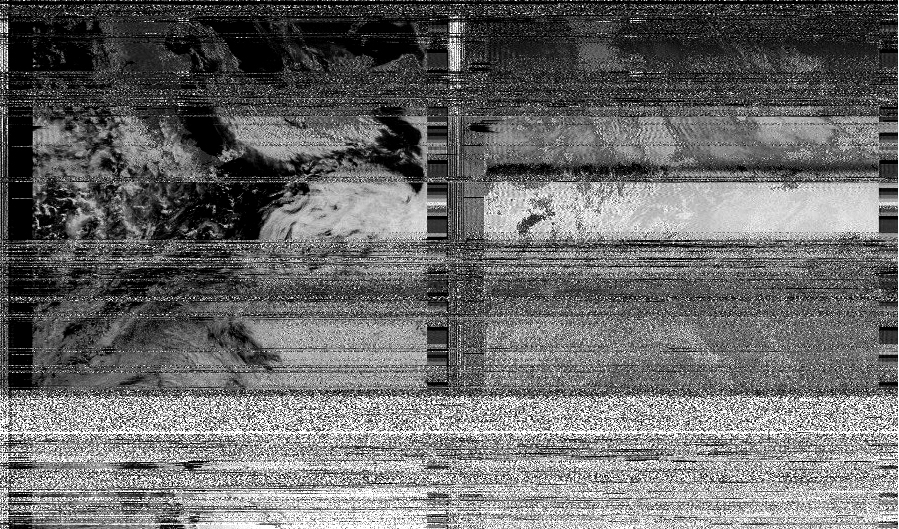
During my stay in Wulaia, I repeatedly imagine the scene of the first radio transmission. I playfully extrapolate that late 19th-century moment in the United Kingdom, where a sound generated in Bristol (England) resonated in Pernath (Wales): for the first time, I can hear something happening simultaneously but outside my immediate surroundings. It is not just an acoustic phenomenon; in some way, time and space are transformed. Something happening elsewhere, in real time, reaches my ears, challenging the physical boundaries that once defined my daily experience. ...
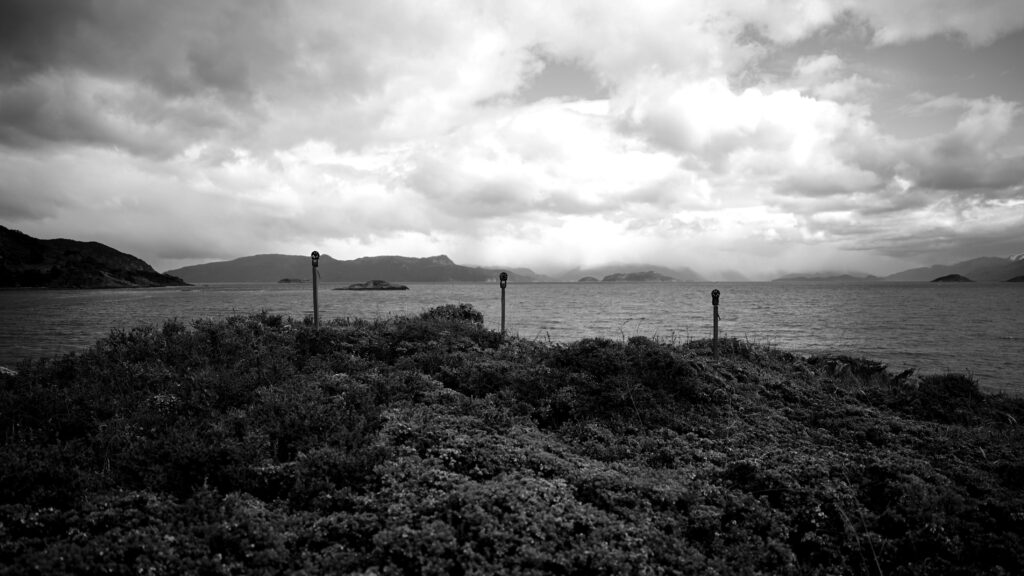
This research aims to get in tune with the intensities, turbulence and heterogeneity of the the masses of moving air based in Wulaia/Ponsonby. I would like to generate experiences that allow us, in a sensitive way and with rudimentary technologies, to tune in to (1) the complexity of chaotic movements that make up the winds (2) and how this invisible activity shapes not only the physiognomy of the landscape but also the biological activity that inhabits its surface. ...
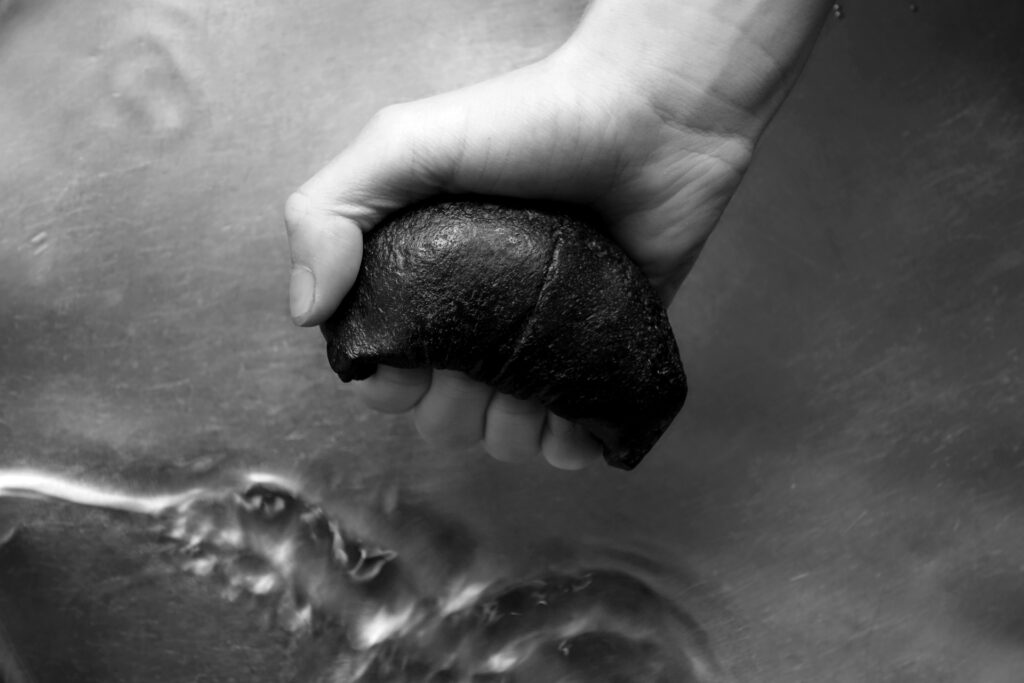
Whale Refractions is a research project currently underway at the Centre for Advanced Study inherit based at the Humboldt-Universität zu Berlin. Questions of addressing ‘heritage at large’ grew out of previous itterations of the Terra Ignota platform while observing oscillatory interrelations between humans and marine mammals and evolutions of cetacean underwater hearing in the historical and geological and climate contexts of the Magallanes Region. ...
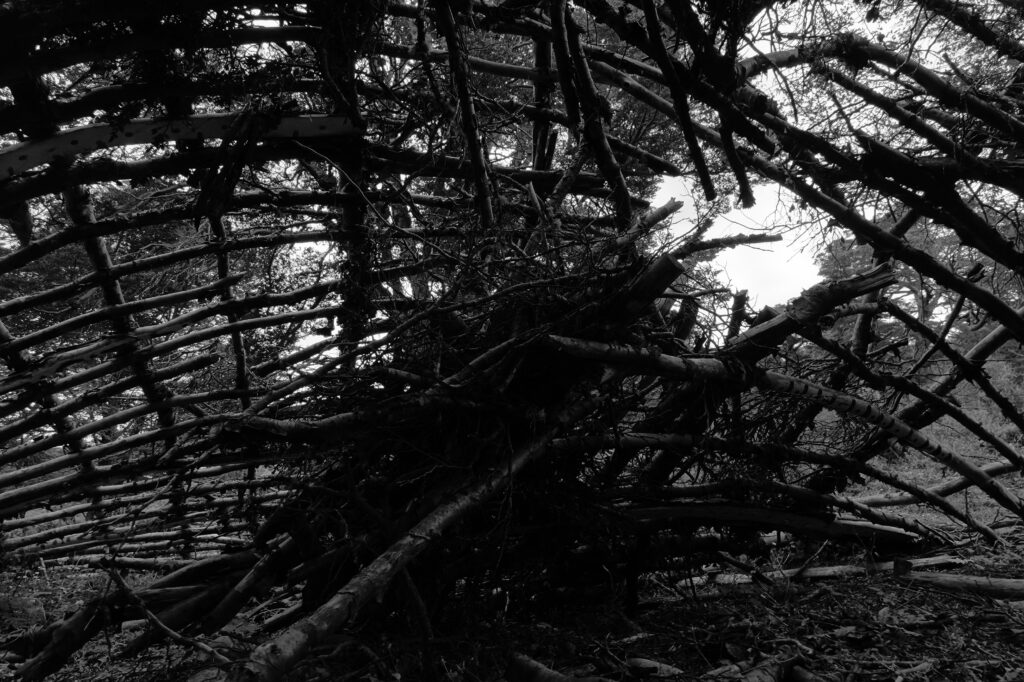
The interdisciplinary group Terra Ignota invites dialogue on present and future ways of caring for the natural and cultural heritage on Isla Navarino, through a two-day programme of presentations, listening and workshop sessions @ Museo Territorial Yagán Usi - Martín González Calderón ...
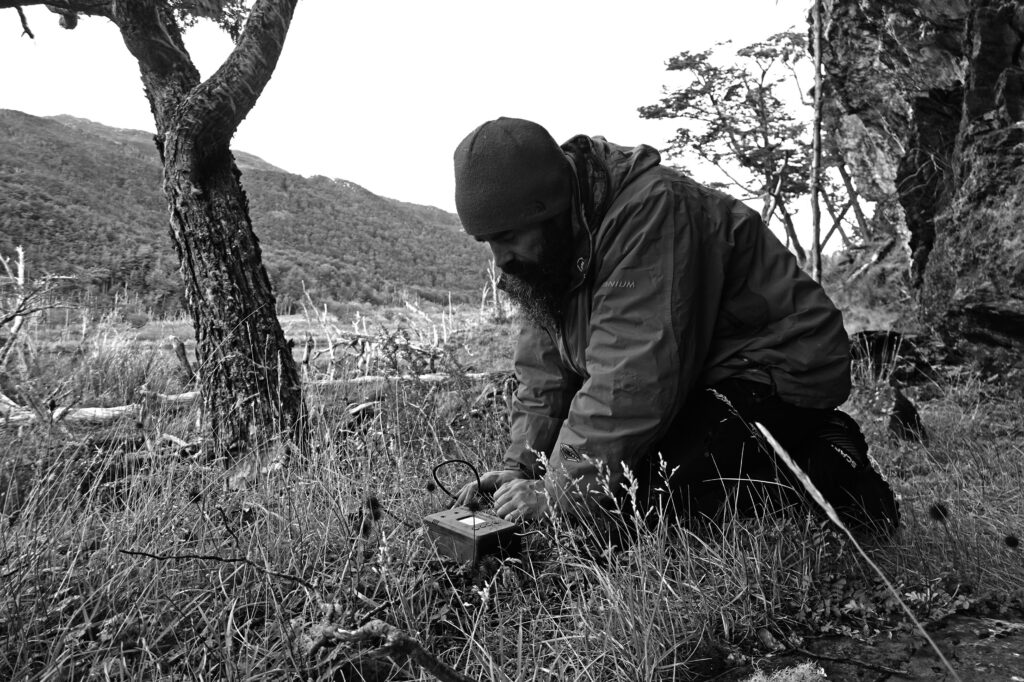
The Murray Channel, formerly known as Yagashaga or Yagán Channel, is a silent witness to a vast cultural heritage that stretches from the ancestral past to the recent historical past. Its legacy spans from the original people who gave the bay its name, dating back over 6,000 years, to the colony and the European exploration and exploitation processes of the 19th century. ...

> projects / 2025 / radiales / Preliminary Visit / Emerging Archive / Historic Background / Forum / Documentation / Participants The idea is to understand the heritage as something living, as an activity inscribed in otherness. We are interested in conceiving the distinctive and emerging characteristics of these ecosystems and establishing new definitions necessary ...
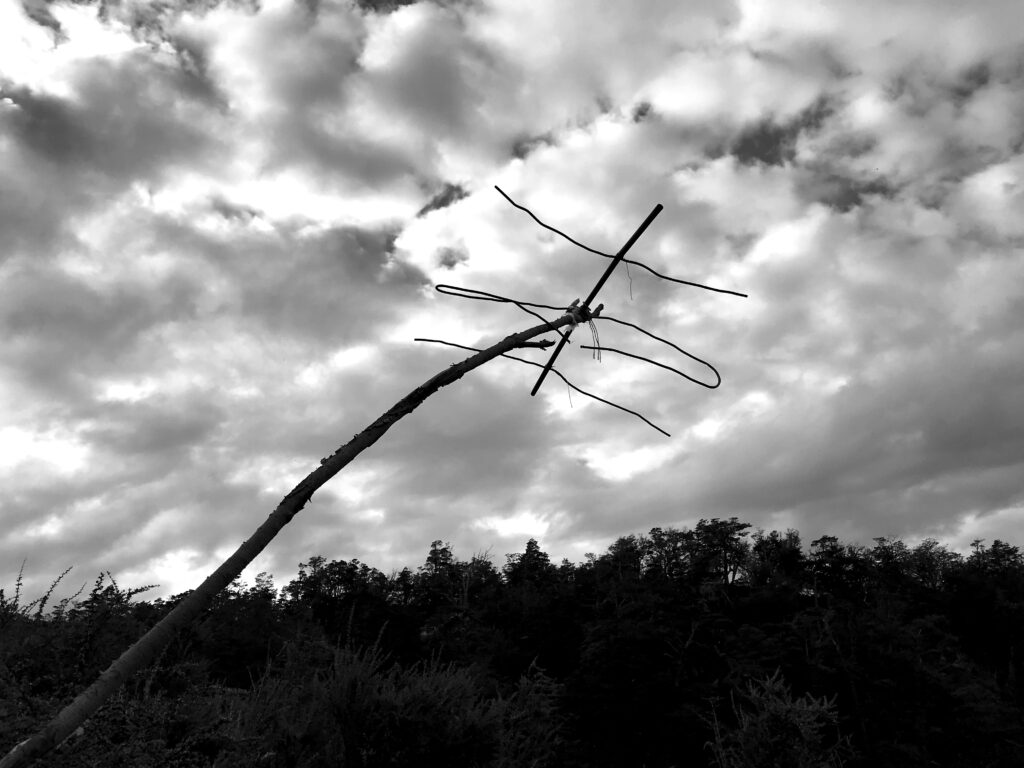
Radiales is the name of the new project by Terra Ignota, extending the geological research "Intercultural Contact Zone" conducted between 2017 and 2024 in Yendegaia National Park. This project continues the transdisciplinary study as a way to understand this territory and its different forms of interpretation. ...
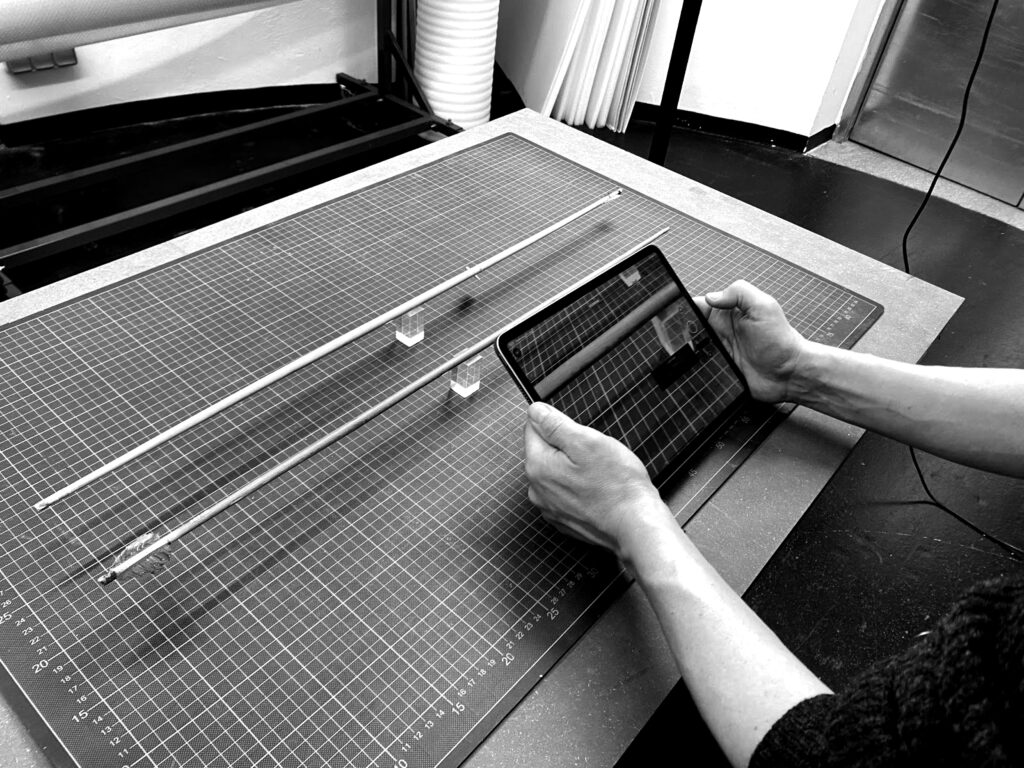
> projects / 2022 / Extinction!? / background / documentation / participants Before the research trip to the Zona de Contacto Intercultural, Fernanda Olivares and Nicolás Spencer were invited to participate in a residency at Weltmuseum Wien to be part of the exhibition “Extinction!?” as part of the TAKING CARE project. The idea of this residency was to work with objects from the collections obtained ...
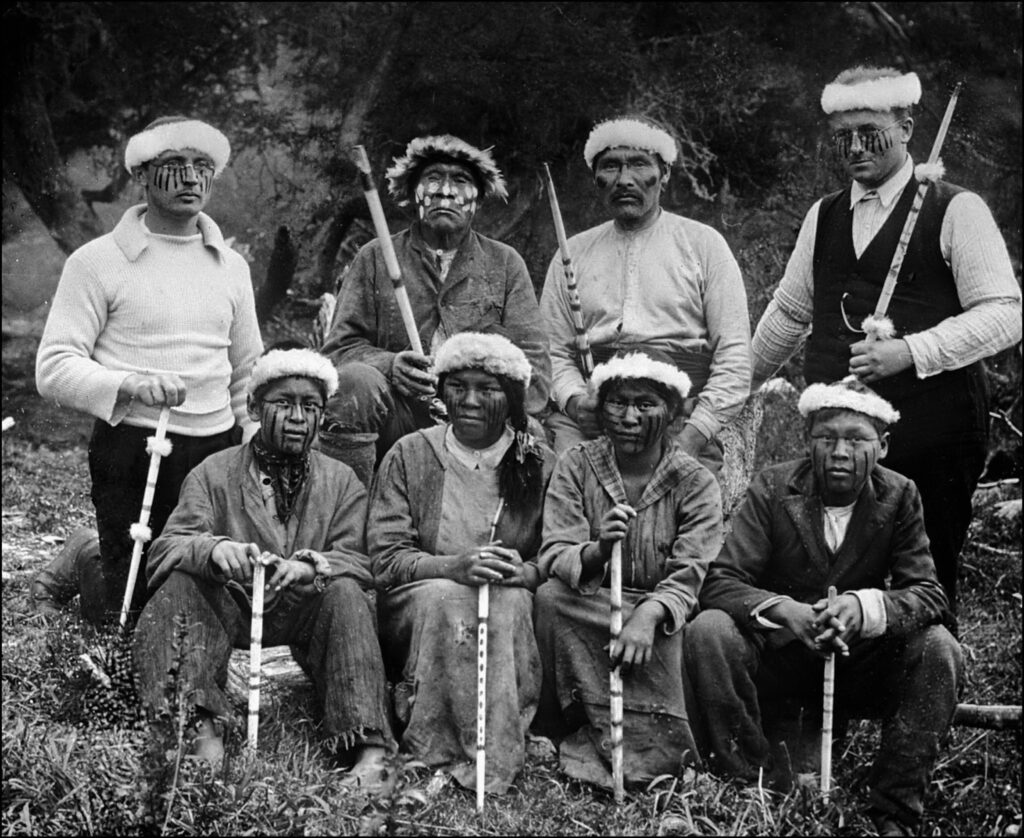
> projects / 2022 / Extinction!? / background / documentation / participants The origin of this work dates back to 2015, following a visit to the Gusinde-Hagenbeck collection consisting of cultural objects originally belonging to the Kawesqar, Selk’nam, Yagán and and Aonikenk peoples, which are now housed in the Weltmuseum, Vienna (formerly the anthropological museum). ...
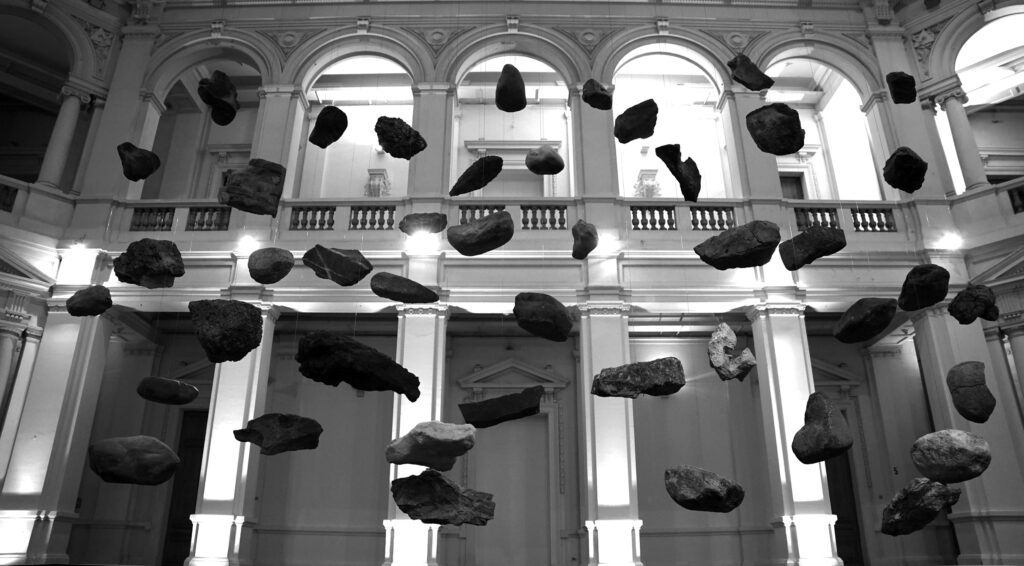
A sound installation by Nicolás Spencer made up of 44 stones in suspension – all collected from Fiordo Témpano north of Puerto Edén to Cabo de Hornos and about to be returned to the place where they were found. In addition to being considered part of the living heritage of the southern territory, the rocks are conceived as lithic witnesses of geological, historical or present-day events. ...
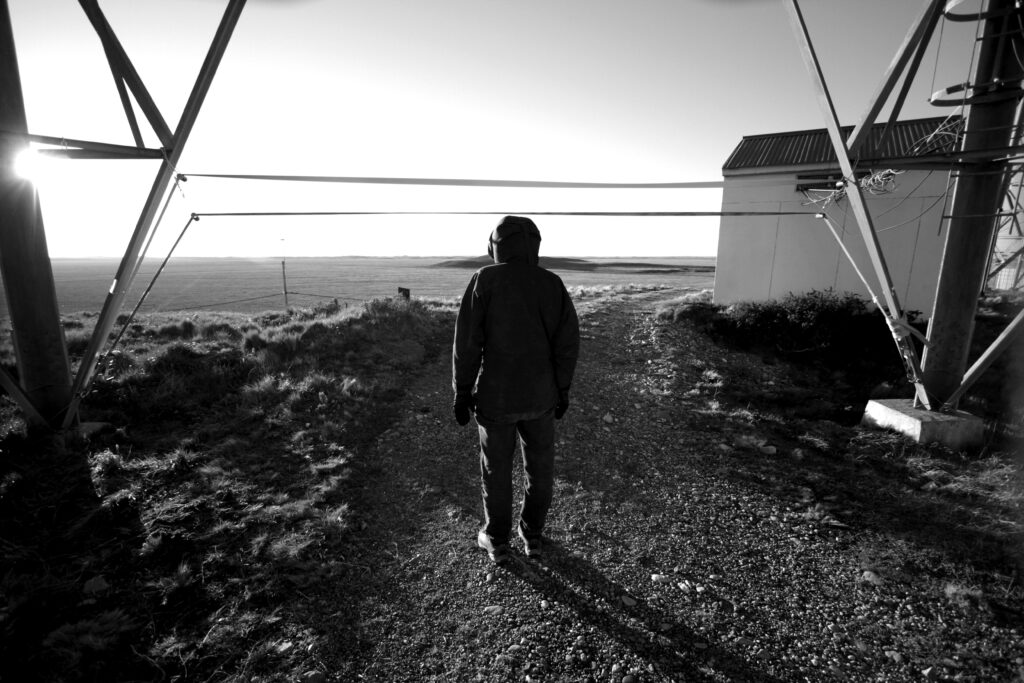
Archaeology is a scientific discipline that studies human behavior through the recovery, analysis, and interpretation of past and present material and cultural remains. The wind oscillator is a tool that considers this natural force as a cultural object, providing clues about human activity where it resonates. ...
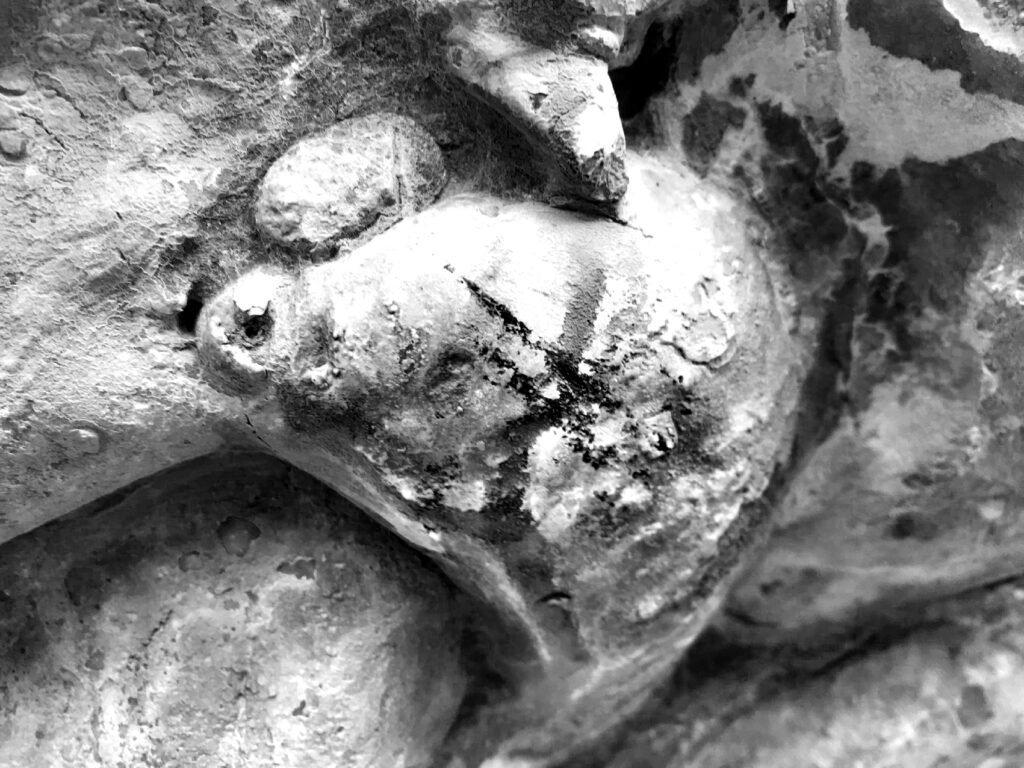
This project is an archaeological prospection in Cerro Otten, Última Esperanza, Magallanes, Chile – following the discovery of rock-paintings by Alfredo Prieto in 2022. Despite being located in an easily accessible territory close to inhabited places, the area features numerous unexplored valleys and favorable conditions for discovering rich archaeological sites. The study is aiming to document Prieto's findings and to establish and discuss protocols for archaeological prospecting of this area in the future. ...
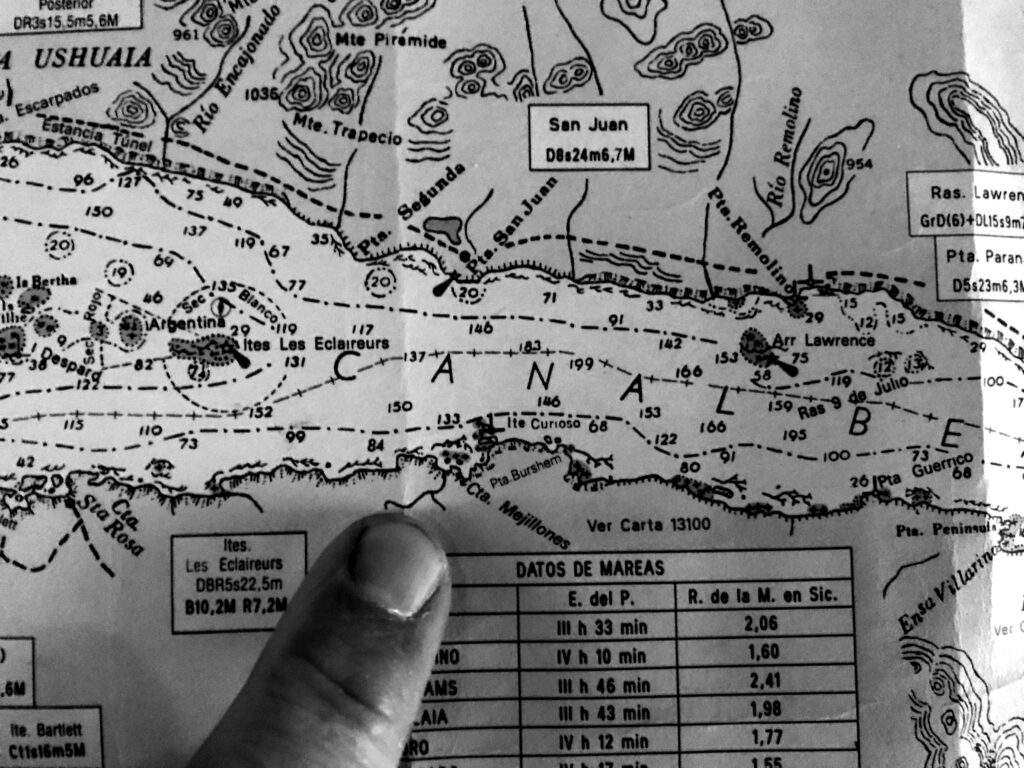
In preparation for the Radiales project (2025) we did an initial field trip in March 2024 in order to familiarize ourselves with the territory, to meet with the local community, partners and friends, to discuss some first ideas and frameworks and to get an idea about the place, logistics (transportation, access routes, etc.). ...
Alero el Paso – Rock shelter (69.060330ºW, 54.605527ºS, MAMSL 572)LIDAR scan with Scaniverse, IPad Pro 11″, March 08 2023(download .fbx file, 87,7 MB) CMT1_BB2 – Tree mark (69.138833ºW, 54.550670ºS, MAMSL 1)LIDAR scan with Scaniverse, IPad Pro 11″, March 12 2023(download .fbx file 35,2 MB) CMT2_BB2 – Tree mark (69.139301ºW, 54.551048ºS, MAMSL 1)LIDAR scan with Scaniverse, ...
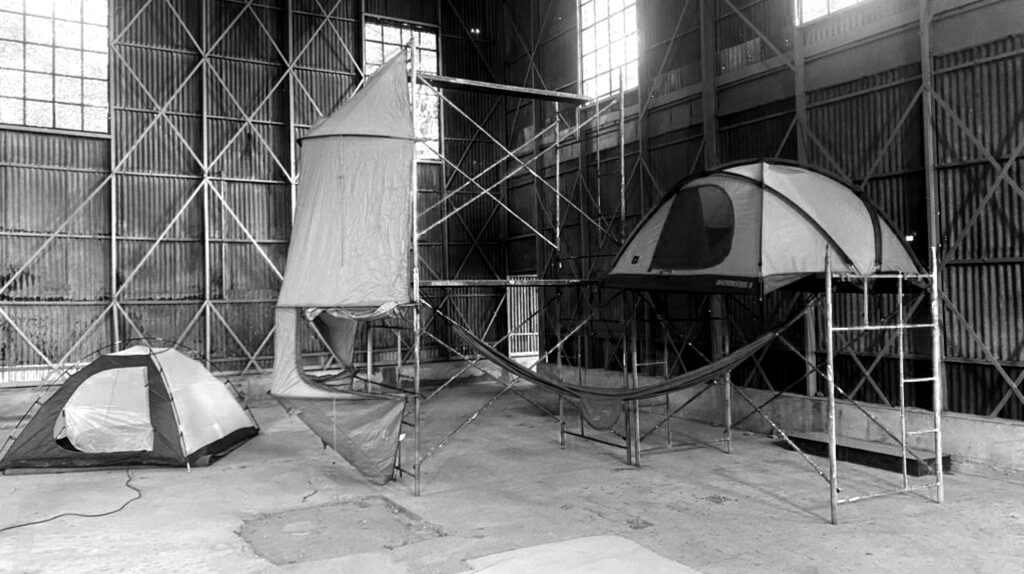
The exhibition at UMAG documents results and different methodologies developed around the discovery of the Intercultural Contact Zone (ICZ) in the Yendegaia National Park. The expedition(s) carried out by the Terra Ignota team (2021 and 2023) confirmed the existence of a transit zone between the Beagle Channel (Yendegaia Bay) and Almirantazgo Sound (Bahía Blanca) through the Darwin Range, suggesting a point of contact between three ancestral ethnic groups (Selk'nam, Kawésqar and Yagán). ...
3 day conference as part of Terra Ignota Forum hosted by the Universidad de Magallanes in Punta Arenas. ...
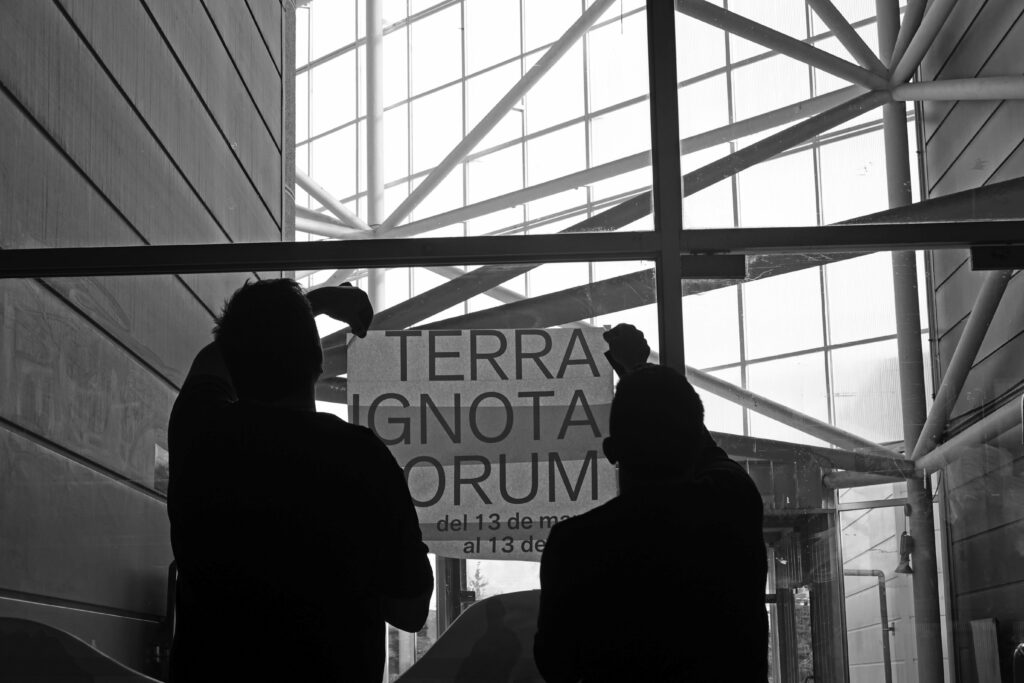
> projects / 2024 / contact zones / conference / exhibition / participants Terra Ignota Forum 2024Facultades de Ingeniería y Ciencias, Universidad de Magallanes Manuel Bulnes 01855, Punta Arenas Exhibition March 13 – June 13 (Opening, March 13 7 p.m.) (details >>>)Forum March 13 – 15 (program details >>>) Terra Ignota Forum (TIF) proposes a multidimensional ...
The Terra Ignota Forum (TIF) is a knowledge transfer and training program with the communities of the Magallanes Region and Chilean Antarctica. The project was developed around the discovery of the Intercultural Contact Zone (ICZ) found in 2021 in Yendegaia National Park by the Terra Ignota team. The discovery confirmed the existence of a passage between between the Beagle Channel (Yendegaia bay) and the Admiralty Sound across the Darwin Range, a point of contact between three ancestral ethnic groups that used to pass through this area: the Selk'nam, Kawésqar and Yagán communities. ...
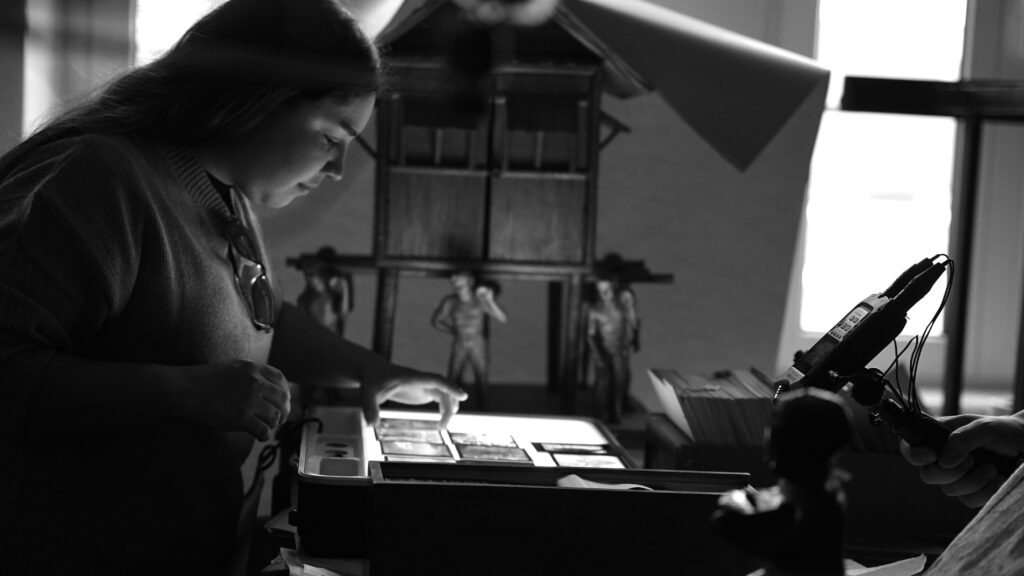
In September and October 2022, Fernanda Olivares, an activist, and Nicolás Spencer,an artist, both from Chile, came to Vienna for two weeks to conduct research at theWeltmuseum Wien. The aim of their visit was to develop work for Extinctions!?, anexperimental exhibition, which opened at Weltmuseum Wien in February 2023, aspart of the TAKING CARE project. ...
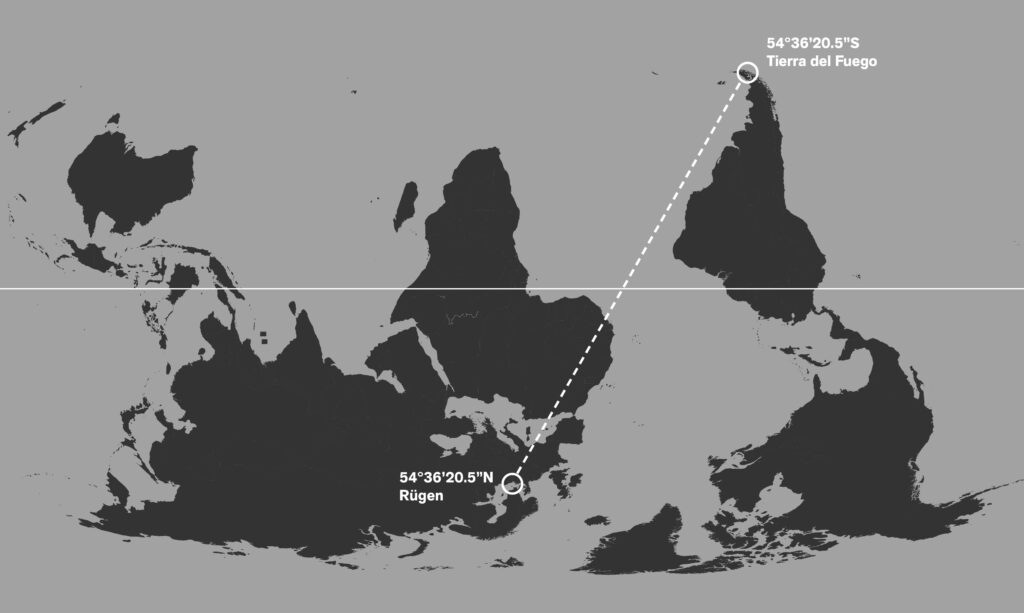
If you mirror the globe, you will find Germany's largest island, Rügen, at almost exactly the opposite position of Tierra del Fuego. Both lie at precisely the same latitude. (54°36'20.5 "S Tierra del Fuego / 54°36'20.5 "N Rügen). A closer look reveals many similarities in geography and landscape, climate, flora and fauna, history and archaeology, culture and even recent social and demographic dynamics. ...
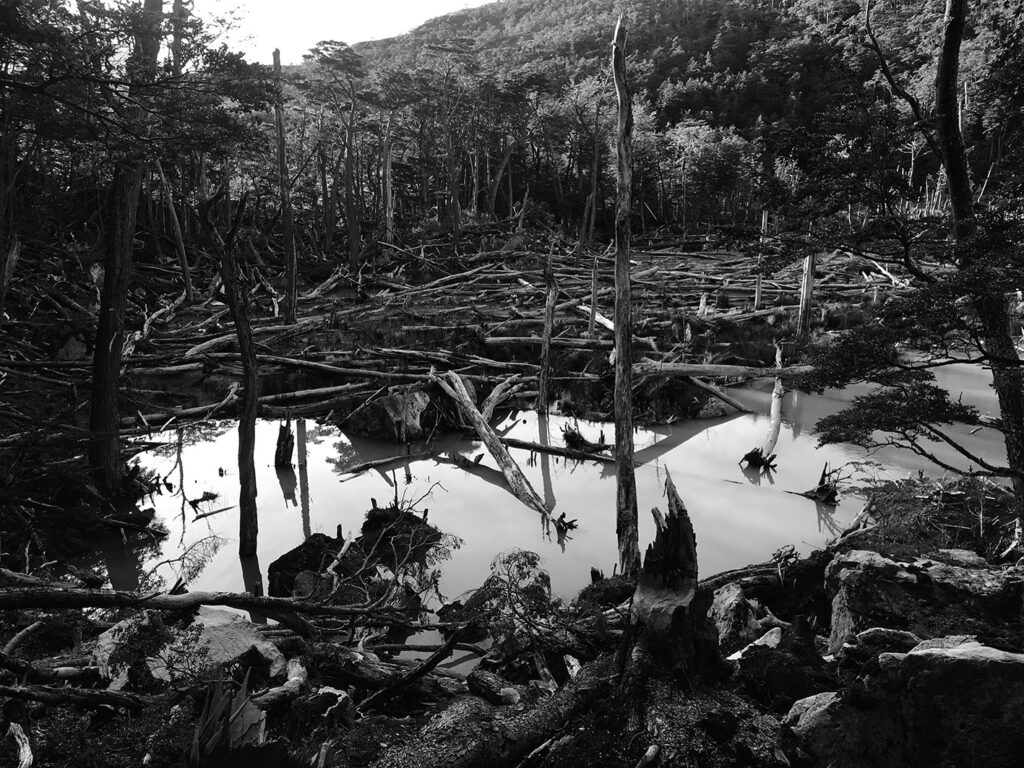
Terra Ignota Forum (TIF) is a field laboratory that seeks to develop and implement a contemporary archive on the so-called “intercultural contact zone” (Selk’nam, Kawesqar and Yagán) located in Yendegaia National Park (YNP). The project is deployed in two stages, the first is the continuation of our interdisciplinary research in the territory and field forum (2023). The process and research will be documented and published in different media, individual artistic projects developed further and presented in the second stage to the public beginning of 2024 at the Universidad de Magallanes, Punta Arenas. ...
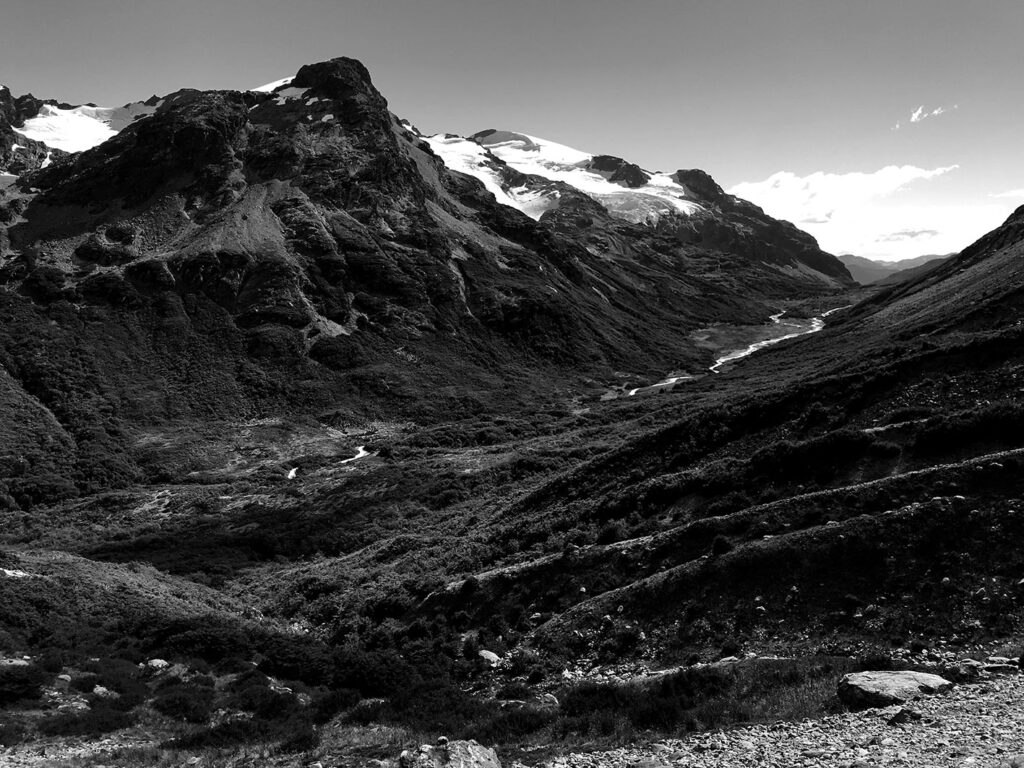
> projects / 2023 / Terra Ignota Forum / background / documentation / participants For years, the pass between Yendegaia and Admiralty Sound had been the subject of attention as a possible “Indian pass”, a route of communication between the different ethnic groups that passed through these areas. This had been attested to by the ...
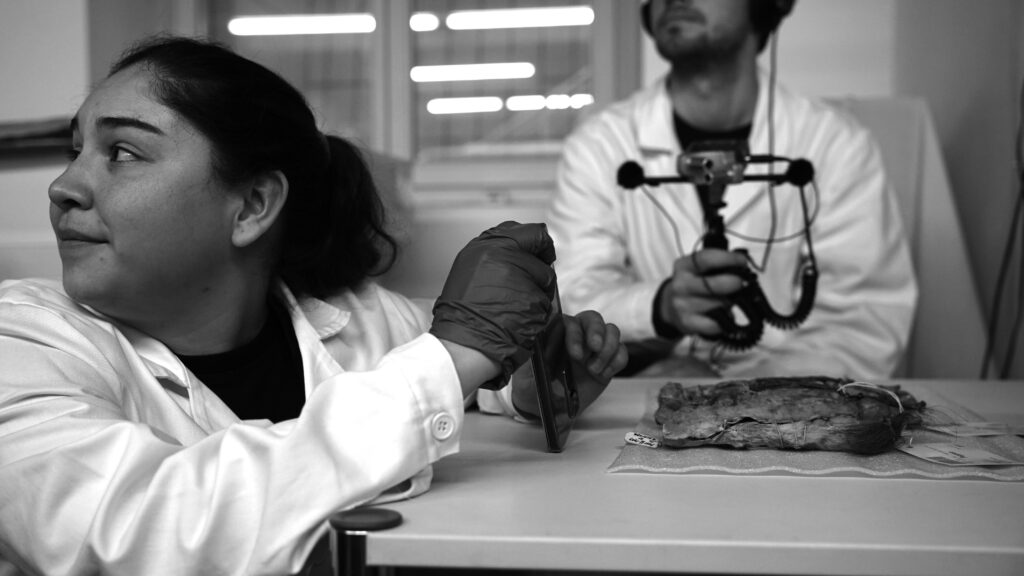
In 2022, Fernanda Olivares and Nicolás Spencer were invited to participate in a residency at Weltmuseum to be part of the exhibition “Extinction!?” as part of the TAKING CARE project. The idea of this residency was to work with the objects belonging to the collections obtained by Martin Gusinde and Carl Hagenbeck and explore new museographic forms based on perception, feelings, the discussion around extinction, and the recognition of the Selk’nam community in Chile as a living community. ...
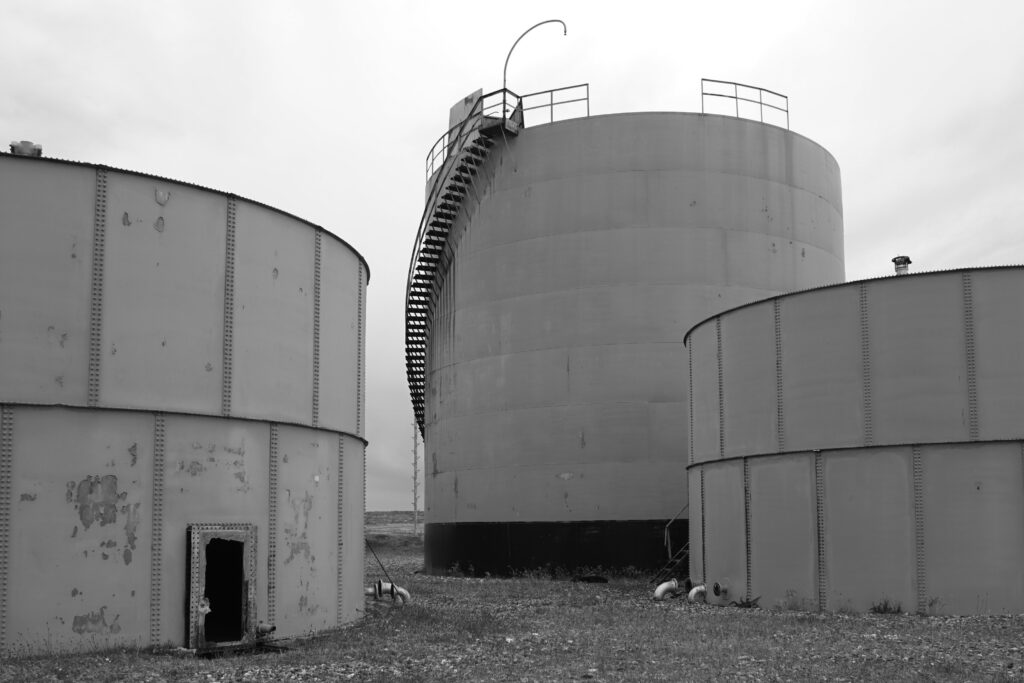
Recording of a swing-gate on lighthouse access road, route 257, played back in an abandoned petroleum tank, Puerto Percy, during the onset of a windstorm. ...
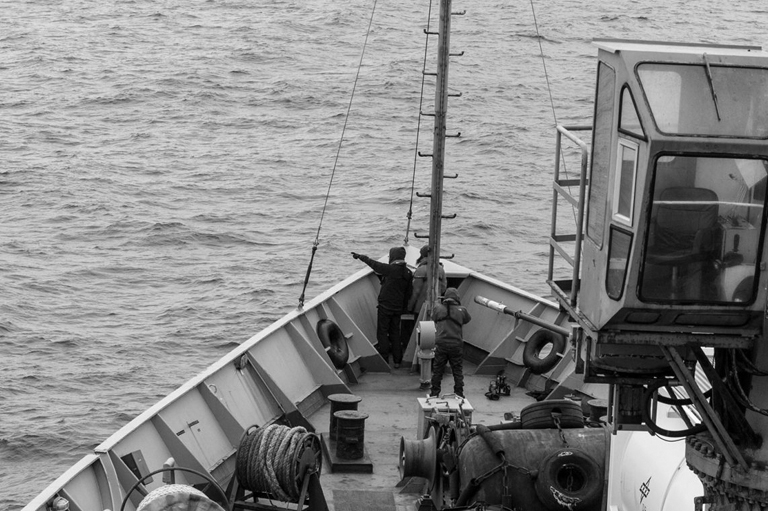
Achæoscillator_Towards incorporeal forms of sensing listening and gaze is a Collection of short essays published by Ars Electronica in the frame of the project In Keppler's Garden (2020) ...
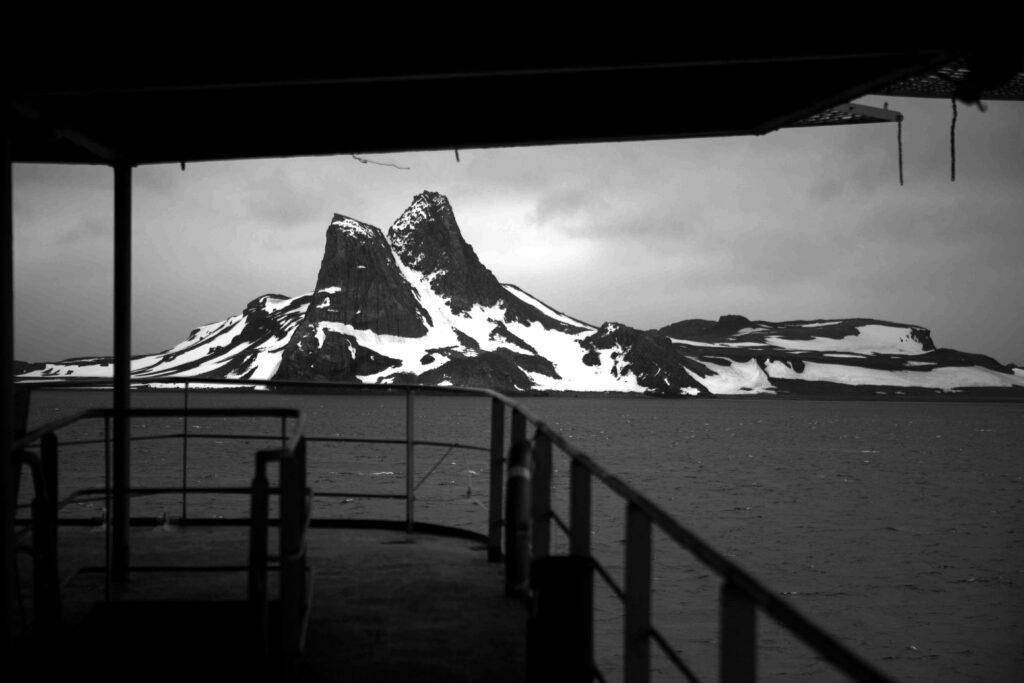
Artistic vision The Antarctic continent is the one continent that is still seemingly secluded from the rest of the world. It was the last great land mass discovered by humans and uninhabited until the beginning of its colonization in the early 1820s. For decennia, it has served as a collaborative research territory, governed and safeguarded ...
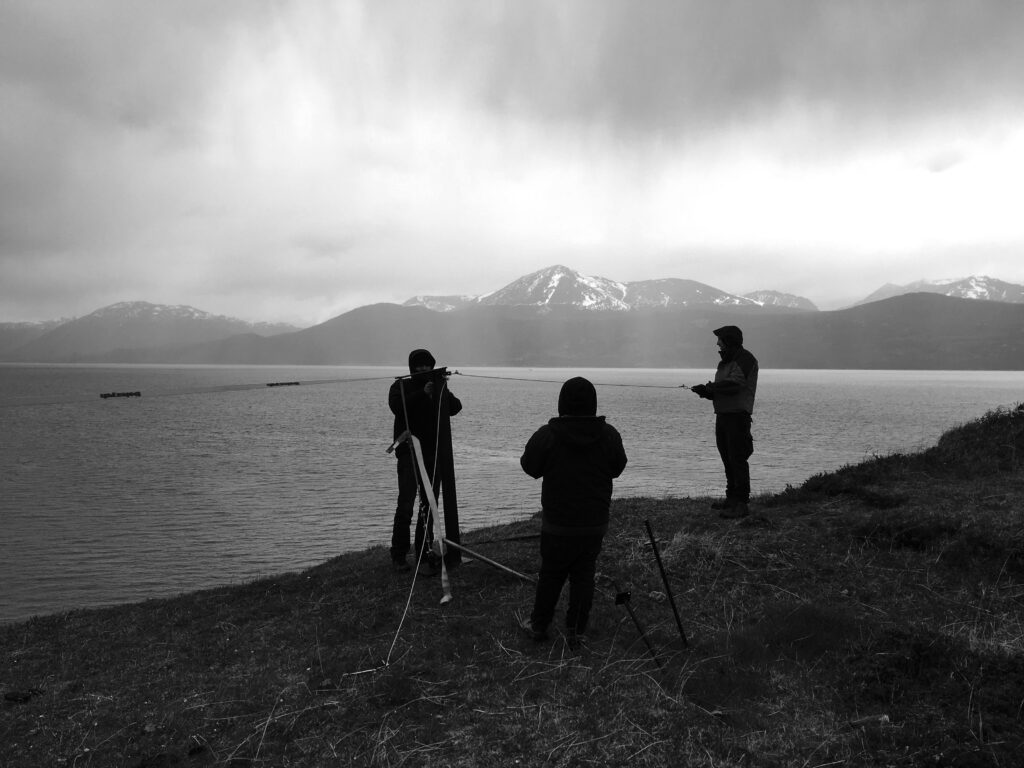
This trip aimed to expand the experience of working with wind by involving a larger team. To this end, work was carried out on the installation anemOSC, which would later be called Wind Oscillator. ...
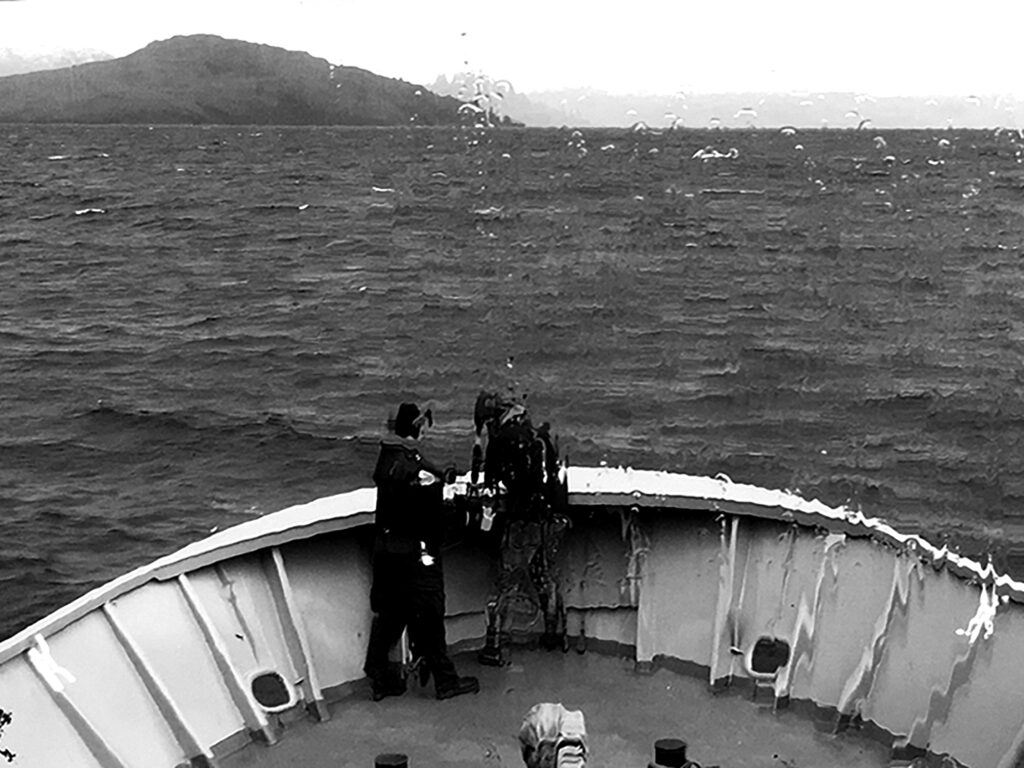
In early 2015, the first exploratory trip was made to the commune of Cape Horn, south of the Beagle Channel. The work revolves around the notion of distance—both cultural and geographical—and the materiality of wind, approached as a cultural object for interpreting the territory. ...
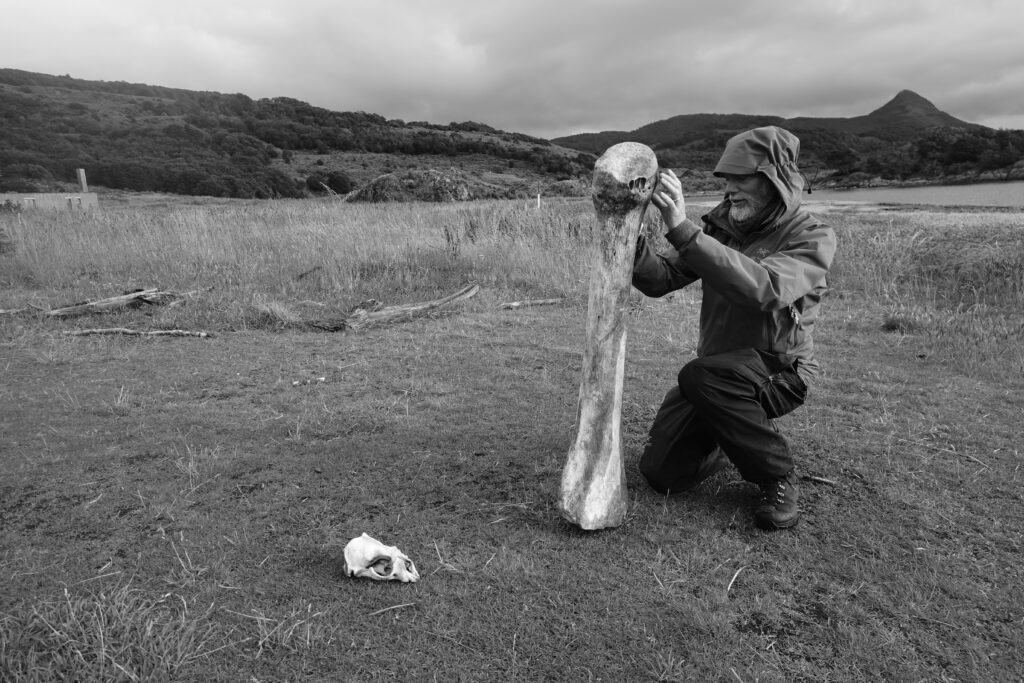
all artists and researchers of pre-projects, actual and planned activities
Over the past 10 yerars Terra Ignota was made possible with the support and in partnership with Consejo Nacional de las Artes / UMAG (University of Magallanes) / ENAP (National Petroleum Company) / Fundación Prisma Austral / The Río Seco Natural History Museum / Cirrus SpA / CLDC Corporación Laguna de los Cisnes WSC (Wildlife Conservation Society) / CAB (Casa Museo Alberto Baeriswyl) / LiquenLab / Caleta María / Weltmuseum Wien / BKA (Bundeskanzleramtes der Republik Österreich) / Austrian Embassy in Chile / Goethe-Institut / Pro Helvetia / SKE austromechana / Creative Industries Fund NL / Transbordadora Austral Broom
Terra Ignota is a transdisciplinary research platform that has been developing a recurrent nomadic laboratory in the sub-Antarctic territory of Patagonia, Tierra del Fuego and Cape Horn since 2015. The modular team is testing hybride scientific/artistic methods of knowledge-production and mediation in a territory with unique ecosystemic and geopolitical singularities that is undergoing rapid transformations. In a modular way – through interconnected encounters and thematic clusters – it facilitates artistic alliances and interdisciplinary learning that is strongly rooted in the local and founded on sustainable partnerships.
In the past five years, Terra Ignota has studied the effects of anthropogenic influence in the Zona de Contacto Intercultural (1) – between Bahia Blanca and Yendegaia Bay, and its geological extension through the Murray Channel to the bio-cultural aggregation zone of Seno Ponsonby. A current research focus among others is the development of a contemporary archive(2) and comprehensive vertical mapping(3) approach of this territory, connecting diverse layers of information from geophysiological deep time to global data streams, trying to understand their complex entanglements. (see Radiales)
(1) Zona de Contacto Intercultural
a natural corridor served as a place of contact between three ancestral ethnic groups that used to traverse this area: the Selk’nam, Kawésqar, and Yagán. (see details)
(2) contemporary or emerging archive
a register that organises and represents the connections between the elements of the territory, considering them as sources of information. More than a storage of data, this archive systematises and translates knowledge in terms of matter, energy and information, covering time scales ranging from geological processes to the present. (see details)
(3) vertical mapping
Cartography of a territory that transcends the three Cartesian planes that delimit it, incorporating temporal and sensorial factors (example vertical cartography). (example vertical cartographl)
Nicolas Spencer – Director & Artist
Carsten Stabenow – Director & Curator
Florencia Curci – Mediation & Artist
Iván Flores – Institutional Coordinator & Philosopher
Please get in contact with us via info@terra-ignota.net
Terra Ignota – Nomadic Laboratory
Since January 2026 we are formaly registered as a non-profit organisation in Puerto Williams/Chile under the protection of the law 20.500.
Responsible Practice Policy
Indigenous Lands, Cultural Protocols and Compliance
Terra Ignota works at the intersection of art, science, and ecology. Its research is founded in contextually inclusive and situation sensitive practices that although not specifically focused on Indigenous cultural contexts; at times overlap and collaborate with or relate to territories, landscapes, topics, or heritage domains of Indigenous peoples.
In such cases, Terra Ignota seeks to ensure its activities are conducted with utmost awareness and care for Indigenous rights, cultural protocols, and governance structures. The association works with qualified experts, relevant institutions, and recognized representatives or community members in order to follow all applicable legal requirements, local regulations, established cultural codes and protocols.
The association’s approach is informed by internationally recognized standards concerning Indigenous peoples’ rights, including the principle of Free, Prior and Informed Consent as articulated in the United Nations Declaration on the Rights of Indigenous Peoples, and, where applicable, relevant provisions of ILO Convention 169 concerning Indigenous and Tribal Peoples, and the corresponding local regulations such as Article 75 para. 17 of the National Constitution of Argentina and Law No. 19.253 of 1993 in Chile.
Projects are only undertaken after detailed steps, consultations, permissions, and required agreements have been obtained and appropriate frameworks for conducted work have been secured.
Relevant permissions and agreements are archived and can be made available for review upon legitimate request through our legal advisor. For questions regarding these guidelines, please contact supporting staff at info@terra-ignota.net. For protocol questions please contact the legal division at juridica@terra-ignota.net